High elevation and intense ultraviolet radiation are the primary reasons why roofs age faster in Utah, as constant UV exposure causes roofing materials to dry out and become brittle prematurely. This deterioration is further accelerated by extreme temperature swings and harsh weather conditions that cause shingles to expand, contract, and weaken over time.
Most homeowners in Carbon County expect their shingles to last three decades, yet many are surprised when significant wear and tear appear much sooner than the manufacturer promised. It is frustrating to watch a major investment deteriorate under the relentless desert sun. This accelerated aging occurs because Utah roofing systems face environmental pressures that most standard materials were not designed to handle. At our elevation, the atmosphere provides less protection from damaging radiation; this makes every sunny day a test of durability. In the following sections, we will examine how the combination of high altitude UV rays and rapid thermal shock degrades roofing components. We will also provide practical advice on selecting climate resilient materials and explain how proactive maintenance can extend the life of your home in the unique high desert environment of Price and the surrounding areas.
The High Altitude Reality for Carbon County Homeowners
Living in Carbon County means enjoying the rugged beauty of the high desert, but your home pays a price for that scenery. In towns like Price, Helper, and Wellington, the environment is relentlessly aggressive toward building materials. While a shingle might be rated for three decades in a milder climate, the reality at 5,500 feet is significantly different. At Keith Exteriors, we focus on exterior improvement and maintenance specifically designed for these high-altitude conditions.
Most homeowners assume their roofing system will eventually wear out due to old age. However, in our region, roofs rarely die of natural causes. Instead, they die of exposure. The combination of intense solar radiation and extreme weather patterns creates a unique set of challenges that explain why roofs age faster in Utah. Our about our local Carbon County team sees the results of this environmental stress every day, from brittle shingles to compromised seals. Understanding these local stressors is the first step in providing durable exterior solutions that actually last. A roof in the high desert is under a constant state of environmental attack, requiring a specialized approach to installation and care to ensure it reaches its intended lifespan.
Why Roofs Age Faster in Utah: The Elevation and UV Connection
This environmental attack begins with the science of thin air. As elevation increases, the atmosphere becomes thinner and significantly less effective at filtering out the sun’s most harmful ultraviolet radiation. For every 1,000 feet of elevation gain, UV radiation increases by approximately 4 to 5 percent. In Carbon County, where residential elevations average well over 5,500 feet, your roof is subjected to roughly 25 percent more intense UV exposure than a home built at sea level.
This constant bombardment of UV-B rays triggers a chemical process known as photo-oxidation. Asphalt shingles are not just slabs of rock; they are complex systems that rely on specific oils and resins to remain flexible and waterproof. The high-energy radiation at our altitude breaks down these molecular bonds, causing the asphalt to lose its essential elasticity. This chemical degradation is a primary reason why roofs age faster in Utah. When those protective oils evaporate or degrade, the shingles become rigid and prone to a condition often called dry rot.
Elevation | UV Increase (Approx.) | Impact on Asphalt Shingles |
|---|---|---|
Sea Level | 0% | Baseline aging rate |
2,000 ft | 8–10% | Early loss of volatile oils |
4,000 ft | 16–20% | Increased granule shedding |
5,500+ ft | 22–27% | Accelerated brittleness and dry rot |
Once a shingle loses its flexibility, the protective ceramic granules that provide UV shielding and fire resistance begin to lose their adhesion. These granules then slough off into the gutters, leaving the raw asphalt completely exposed to the sun. Without that protective layer, the sun quickly bakes the shingle until it is as brittle as a dry cracker. At Keith Exteriors, we emphasize durable exterior solutions that utilize materials specifically manufactured to resist this molecular breakdown, ensuring your investment stands up to the intense mountain sun.
Thermal Shock: The Hidden Killer of Utah Roofing Systems
While UV radiation chemically alters the shingles, thermal shock provides the physical force that breaks them. In the high desert of Carbon County, temperature swings are not just a matter of comfort; they are a mechanical stressor. On a typical July day in Price or Helper, the surface of a dark shingle roof can soar to 150 degrees Fahrenheit. Once the sun sets behind the cliffs, that same surface can plummet to 60 degrees or lower in a matter of hours.
This rapid fluctuation forces building materials to expand and contract at aggressive rates. Different components, such as the wood of your roof deck, the asphalt of the shingles, and the galvanized steel of the flashing, all have different coefficients of expansion. They move at different speeds and to different degrees. When shingles have already been made brittle by the high-altitude UV exposure mentioned previously, they lack the elasticity to absorb this movement. Instead of flexing, the material develops stress fractures.
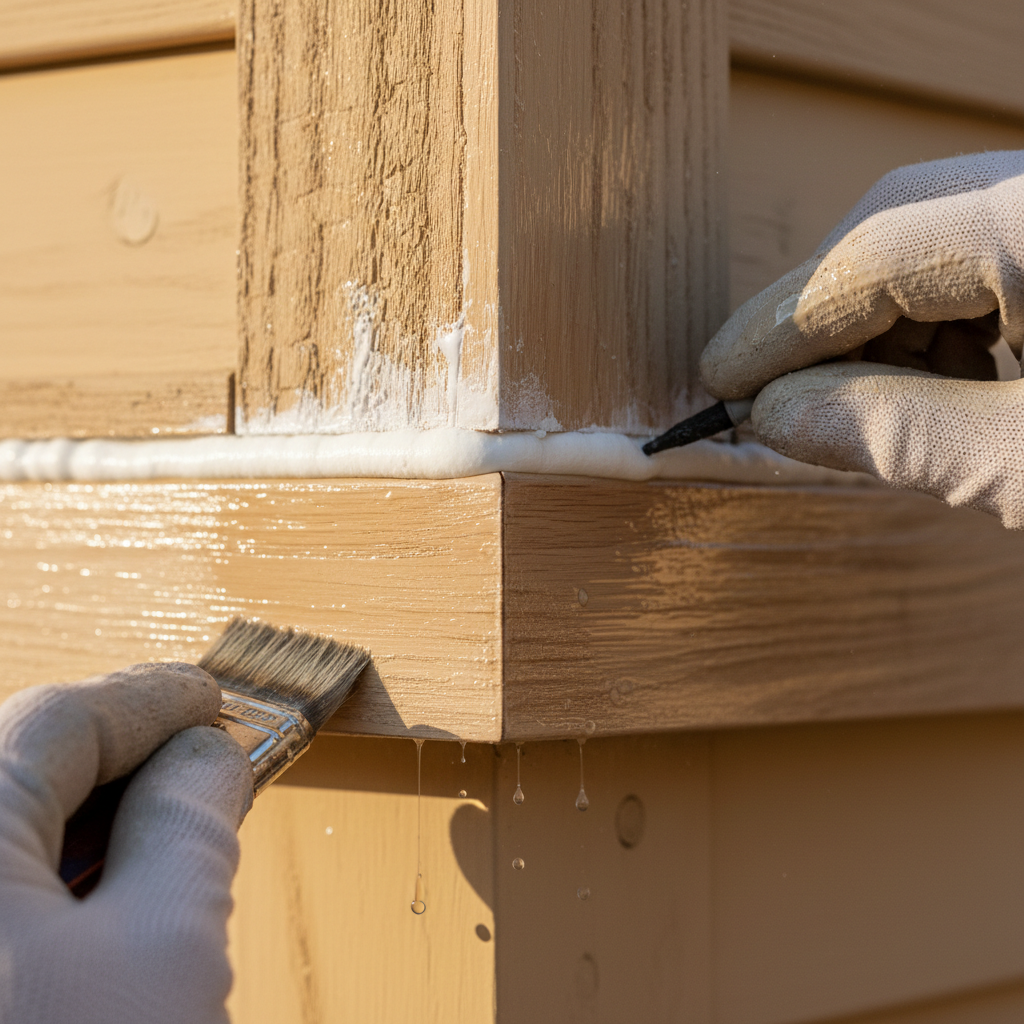
Thermal shock also compromises the critical attachment points of your roof. Over time, the repeated expansion and contraction cycle can cause roofing nails to slowly back out or loosen, which creates a direct path for moisture to enter the sub-structure. This stress is particularly hard on the sealants and flashing around chimneys, skylights, and plumbing vents. As the various materials pull away from each other, the waterproof bond is eventually broken. Our team specializes in durable exterior solutions that prioritize high-grade sealants and fastening techniques designed to withstand these relentless thermal cycles. Without these specific considerations, even a new roof can begin to fail prematurely at its most vulnerable joints.
Wind and Monsoons in the High Desert
In Eastern Utah, the transition from intense heat to sudden monsoon downpours creates a volatile environment for residential and commercial structures. During the late summer months, towns like Price and Helper often experience high-velocity winds that precede heavy rainfall. These gusts are particularly dangerous because they target the physical vulnerabilities created by the UV and thermal stress discussed previously. When shingles become brittle, they lose their ability to lay flat and maintain a tight seal against the roof deck.
Wind-driven rain during these monsoons does not fall straight down; it is forced horizontally, pushing moisture under the edges of stiff, unyielding shingles. Once water bypasses the primary shingle layer, it reaches the underlayment and roof deck, often causing interior damage long before a leak is visible from the outside. This is a primary factor in exterior improvement and maintenance strategies for our region. We focus on ensuring that perimeter fasteners and seals are robust enough to withstand these specific pressure differentials.
Homeowners often ask about the practical limits of repairing this type of storm damage. Under the 2021 International Residential Code, which influences local Utah standards, a rule often referred to as the 25 percent rule comes into play. If more than 25 percent of a roof surface is damaged or requires repair within a 12-month period, the entire roof must often be replaced to meet current building codes. Our about our local Carbon County team frequently helps clients navigate these requirements. Maintaining durable exterior solutions means addressing wind damage early, before a single storm event pushes the necessary repairs past this regulatory threshold.
Choosing Materials That Withstand the Utah Sun
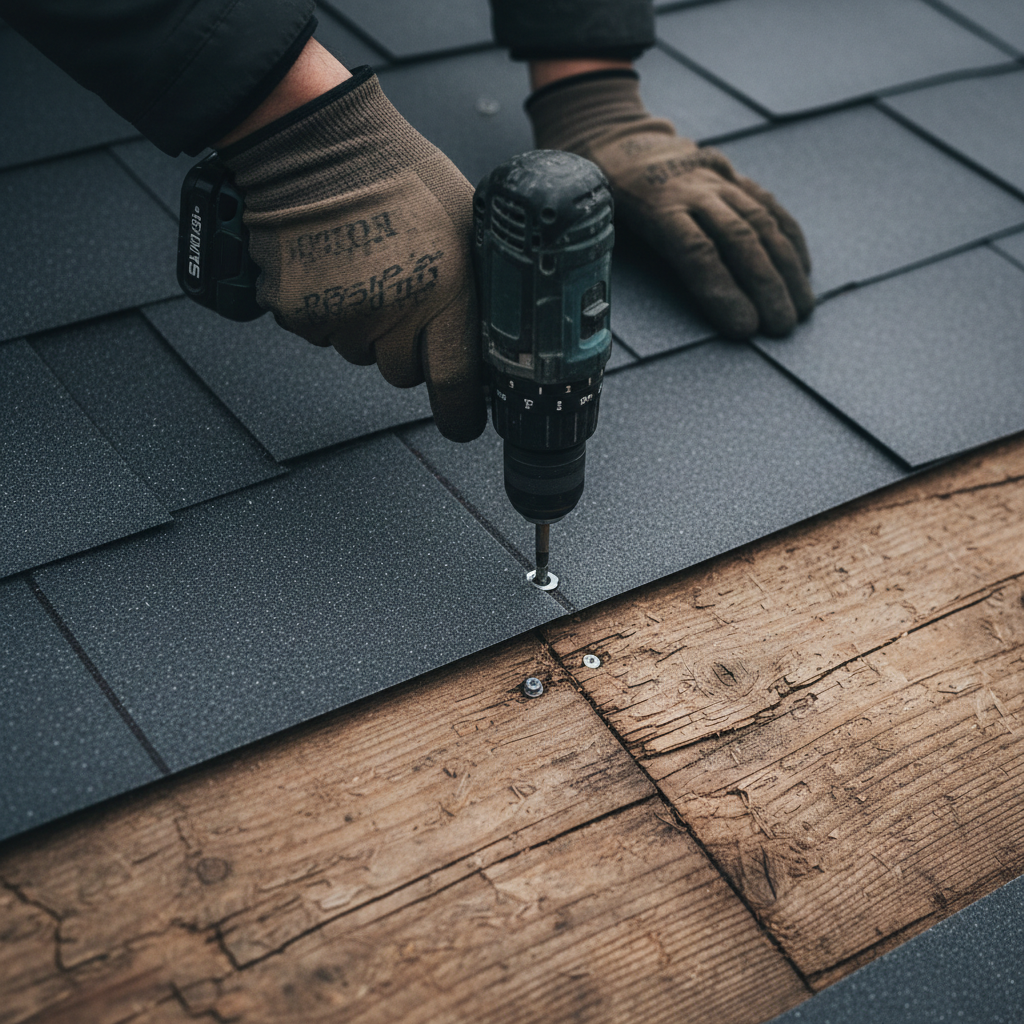
When addressing the question of why roofs age faster in Utah, the solution starts with deliberate material selection. In Carbon County, a standard shingle that performs well in a humid, low-elevation climate will likely fail prematurely here. Homeowners need materials engineered to handle the specific stressors of the high desert, particularly high UV exposure and rapid temperature shifts.
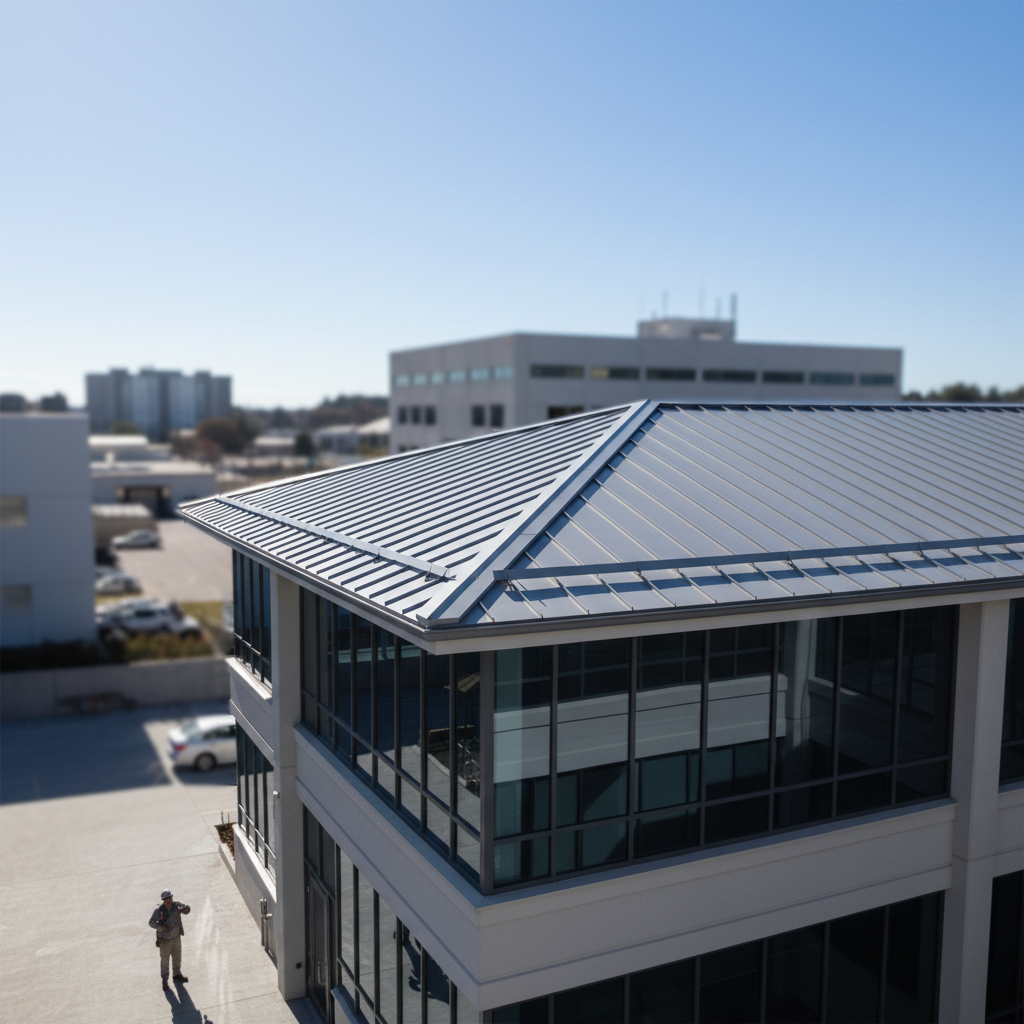
Metal roofing stands out as the premium choice for our local environment. Unlike petroleum-based products, metal is naturally reflective. High-quality standing seam systems or stone-coated steel reflect a significant portion of solar radiation back into the atmosphere, which prevents the roof deck from absorbing excessive heat. Because metal does not rely on volatile oils to maintain its waterproof integrity, it is immune to the chemical dry rot that plagues asphalt. It also manages thermal shock efficiently; modern installation methods utilize clips and fasteners that allow for panel movement during the extreme temperature shifts common in Price and Wellington.
For homeowners who prefer asphalt, the distinction between grades is critical. The best roofing materials for hot dry climates often feature SBS-modified asphalt. SBS, or Styrene-Butadiene-Styrene, is a polymer that gives shingles rubber-like elasticity. This allows the material to expand and contract without developing the stress fractures typically seen in standard shingles. Furthermore, high-grade shingles utilize superior granule adhesion technology, ensuring that the protective ceramic layer stays in place even when subjected to intense mountain winds and heat.
Material Type | UV Resistance | Thermal Stability | High Desert Suitability |
|---|---|---|---|
Standard Asphalt | Low | Poor | Minimal |
SBS-Modified Shingle | Moderate to High | Good | Recommended |
Standing Seam Metal | Excellent | Superior | Highly Recommended |
Selecting these durable exterior solutions ensures that the roof does more than just shed water; it acts as a robust thermal barrier. Choosing the right grade of material is the single most effective way to combat the accelerated aging process inherent to our region.
How to Extend Your Roof Life in Price and Carbon County
In the high-desert environment of Carbon County, a "30-year shingle" rating is often a misnomer. Without proactive management, the aggressive environmental stressors in Price and Helper will significantly shorten that timeline. Extending the life of your roofing system requires a shift from reactive repairs to a structured maintenance schedule.
Schedule Annual Professional Inspections: Catching UV-induced micro-cracking early is vital. A yearly check allows for the identification of granule loss before the asphalt substrate is fully exposed to the sun.
Optimize Attic Ventilation: Heat buildup in the attic can cook shingles from the underside, compounding the solar heat gain from above. Balanced intake and exhaust vents reduce this internal thermal pressure, which is a key part of exterior improvement and maintenance.
Audit Sealants and Flashing Every Two Years: Because different materials expand at different rates, the caulking and boots around pipes and chimneys often fail long before the shingles do. Regular reapplications prevent moisture from exploiting these gaps during monsoon season.
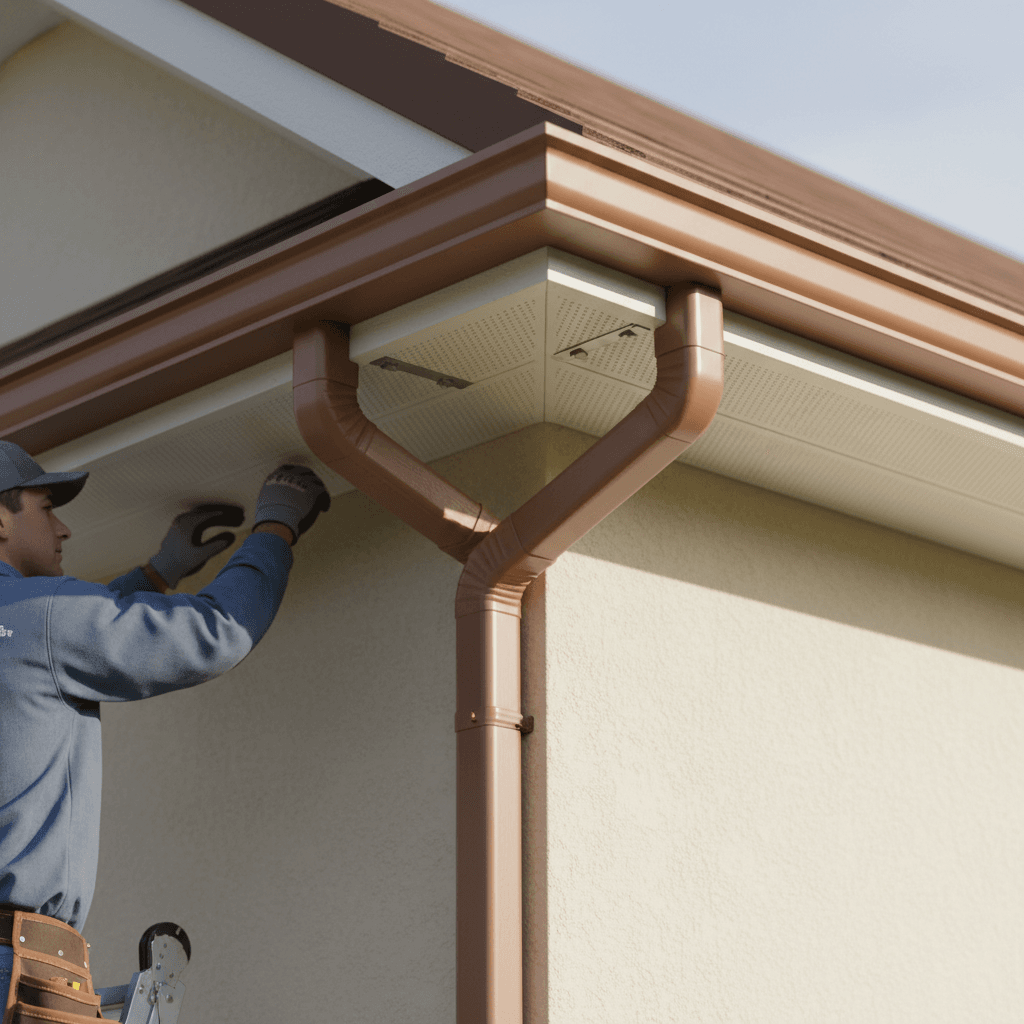
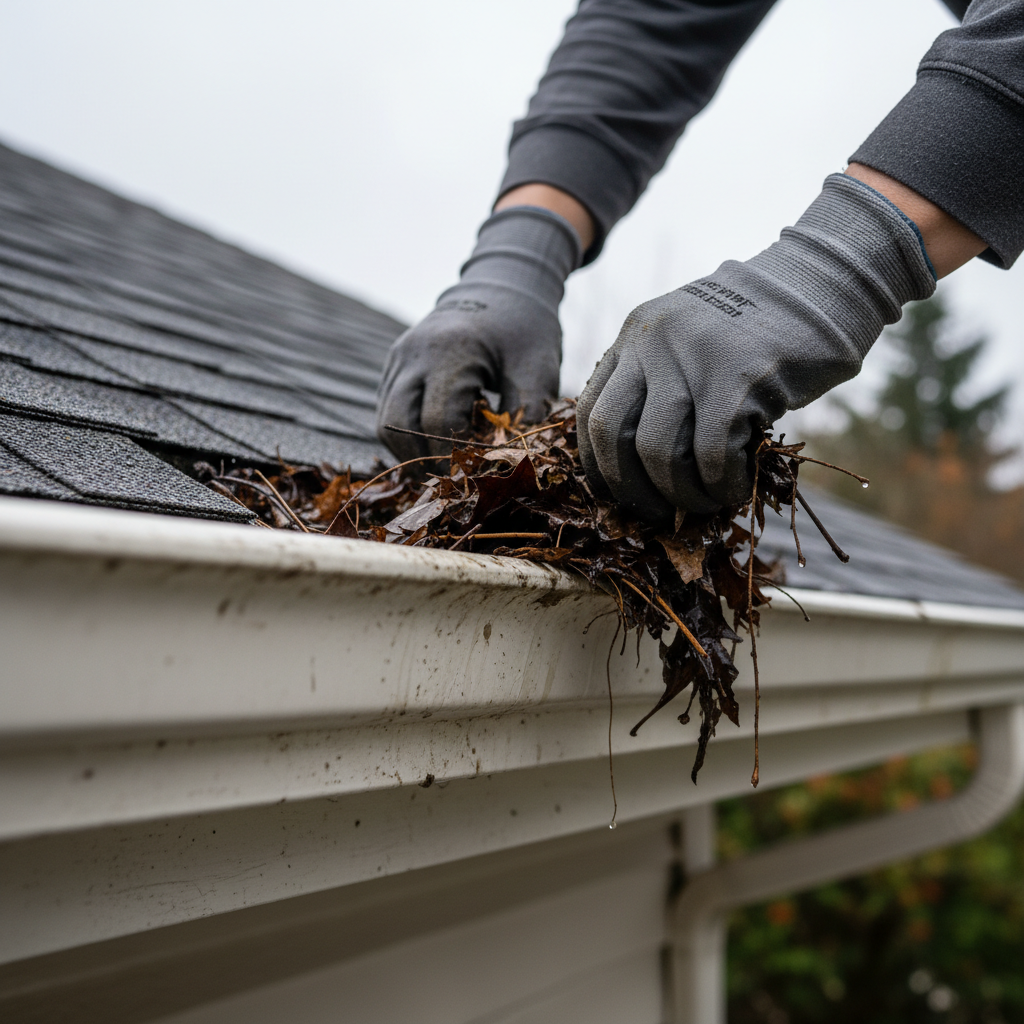
Keep Gutters Clear: Maintaining a functional gutter system prevents water from backing up under the edges of shingles that have become stiff or curled due to UV exposure.
Our about our local Carbon County team understands that while you cannot change the elevation, you can mitigate the reasons why roofs age faster in Utah through these targeted actions. Consistent care ensures that your investment provides durable exterior solutions that actually reach their potential lifespan despite the intense mountain climate.
Understanding how the high desert sun impacts your home is the first step in extending the life of your roof. While Utah's elevation offers beautiful views, it also requires a more proactive approach to maintenance and material selection. If you want expert help navigating these unique environmental challenges, our team is here to support you. You can learn more about our local experience and values on our About page. We believe that informed homeowners make the best decisions for their property.