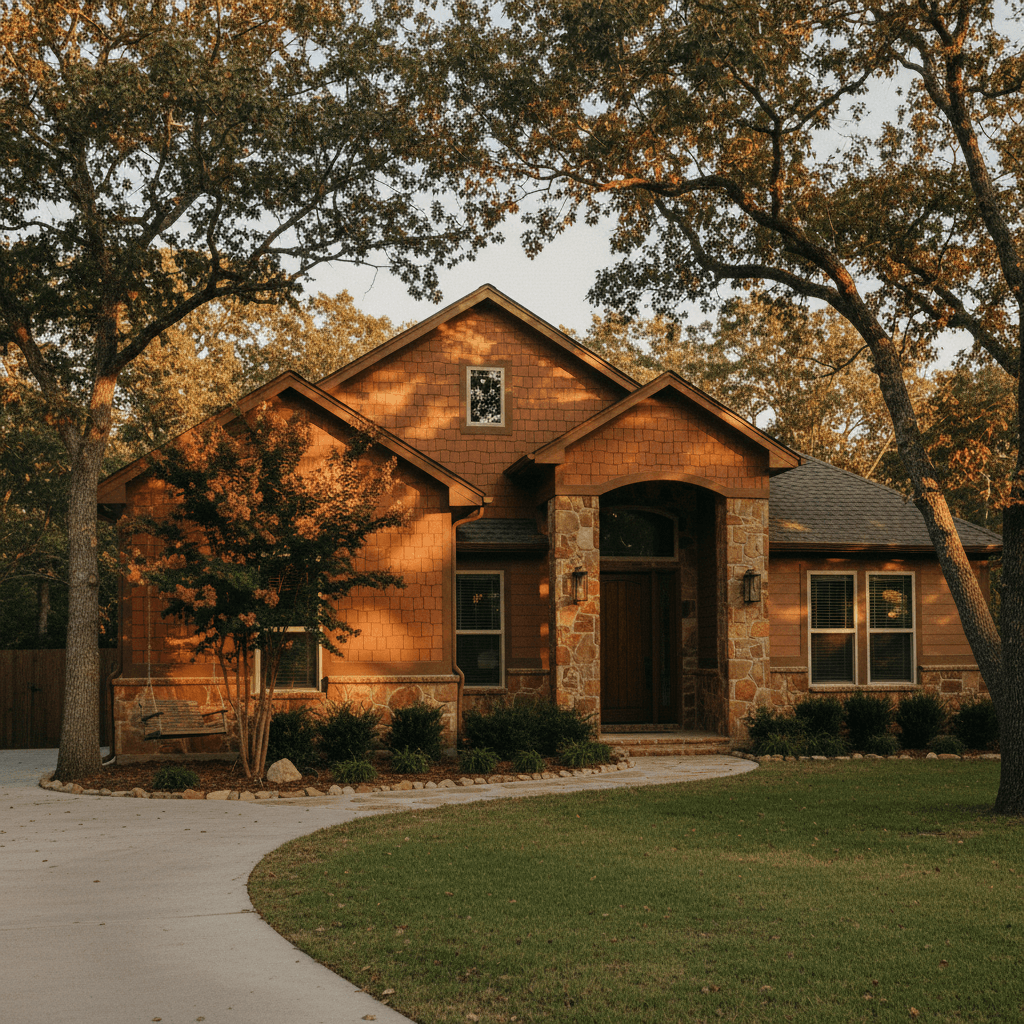
Utah freeze-thaw cycles damage home exteriors when moisture enters small cracks and expands as it freezes, which widens gaps in siding, masonry, and foundations. Effective Utah freeze-thaw cycle home exterior damage prevention requires sealing cracks around windows and doors with high quality caulk; it also requires performing regular siding maintenance to keep water out. Homeowners should also inspect their roofs and update weather stripping annually to ensure the home remains protected against extreme temperature shifts.
Every homeowner in Utah knows the sound of a house settling during a cold snap, yet few realize the silent toll these temperature swings take on their exterior. The relentless freeze-thaw cycle, common in our high desert climate, acts like a slow motion wrecking ball against your siding and window seals. When moisture enters microscopic gaps and expands as ice, it forces materials apart; this creates a pathway for rot, mold, and structural decay that often goes unnoticed until the damage is severe. Protecting your property requires more than just luck; it demands a strategic approach to maintenance and material selection. In this guide, we will break down exactly how these cycles impact your home, from ice dam formation in your gutters to the degradation of trim. You will learn practical steps to fortify your exterior and when to invest in upgrades that can actually withstand Carbon County’s extreme weather.
Understanding the Freeze-Thaw Cycle in Utah's High Desert
In the high desert of Carbon County, the climate presents a unique challenge for residential and commercial structures. The primary cause of freeze-thaw weathering is the repeated infiltration of liquid water into porous materials or small surface cracks, followed by a drop in temperature that turns that water into ice. Unlike most substances, water expands by approximately 9 percent when it freezes. This expansion acts as a relentless physical wedge; it exerts internal pressure that forces cracks to widen and materials to separate over time.
Carbon County experiences particularly aggressive versions of this process due to our rapid temperature swings. At high elevations, the intense UV exposure accelerates the degradation of exterior finishes, creating micro-cracks in siding, masonry, and sealants. During a typical winter day in Price or Helper, the bright sun often melts snow and ice on your roof and walls even when the air remains cool. This meltwater flows into every available crevice. Once the sun sets, temperatures plummet well below freezing almost instantly, locking that moisture in place and triggering the expansion phase.
This daily repetition is why Utah freeze-thaw cycle home exterior damage prevention is a priority for any property owner. The cycle does not just happen once a season; it can occur dozens of times between November and March. By understanding that UV damage provides the entry point and the expansion of ice provides the force, homeowners can better appreciate why maintaining a sealed, moisture-resistant exterior is vital. Utilizing dependable exterior improvement services to address these micro-cracks early is a critical step in preserving the lifespan of any building in our region.
How Siding and Trim Suffer Under Temperature Swings
Building on the physical force of expansion, the siding and trim of your home act as the primary defense against the elements. In Carbon County, these materials face extreme thermal cycling. High-altitude desert environments are unique because the temperature delta between a sun-drenched afternoon and a clear night can exceed 40 degrees. This rapid shifting causes building materials to expand and contract at different rates, placing immense stress on fasteners and joints.
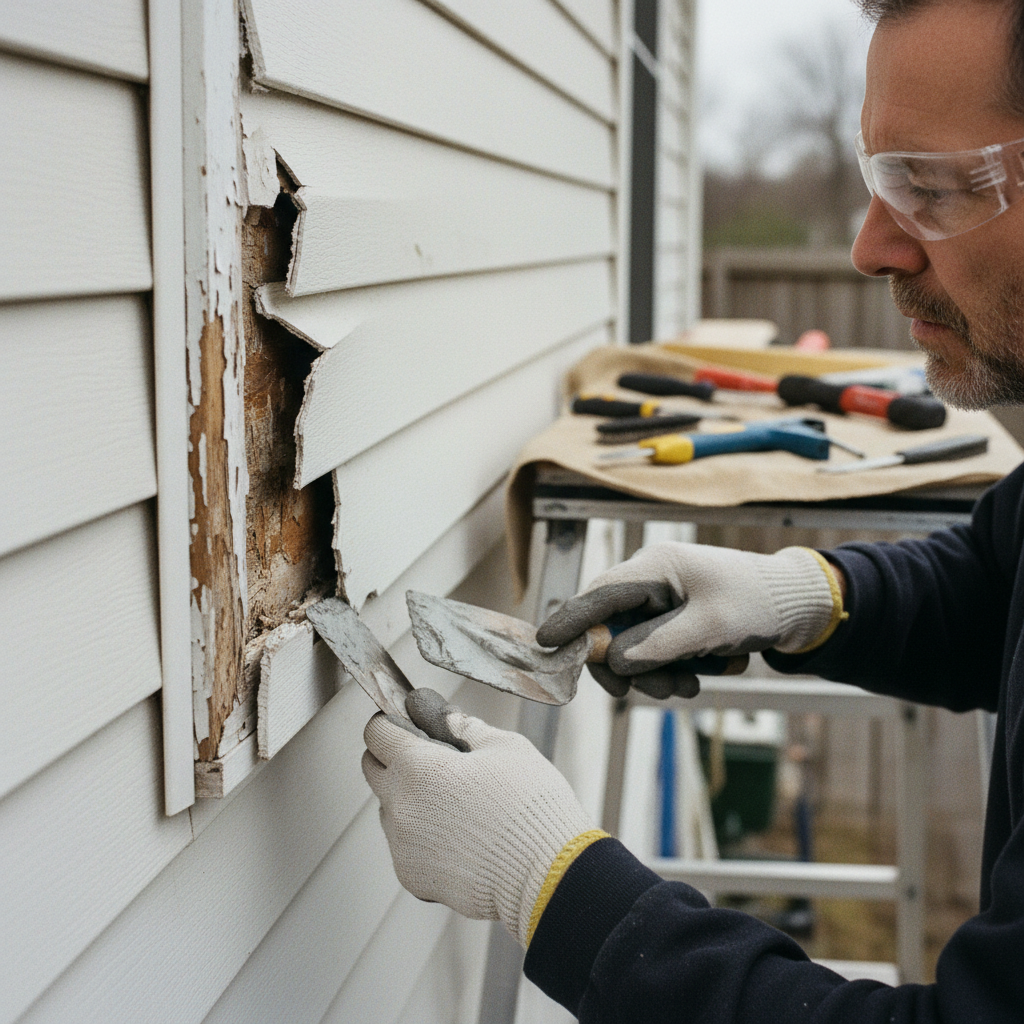
Wood siding is naturally porous; it absorbs the meltwater generated during our sunny winter afternoons. When the temperature drops after sunset, that internal moisture freezes and expands. This mechanical force tears at the cellular structure of the wood, causing visible splits, warping, and long-term rot. Once the wood fiber is compromised, it loses its ability to hold paint or stain, leading to a cycle of further moisture intake and degradation.
Vinyl siding reacts differently but no less severely. While it does not absorb water, it is highly sensitive to temperature shifts. In our region, the rapid cooling makes vinyl panels exceptionally brittle. A minor impact that would be harmless in July, such as a stray rock from a snowblower or a falling branch, can cause the siding to shatter in January. Furthermore, if ice forms in the cavity behind the panel, the outward pressure can snap the locking mechanisms or crack the face of the vinyl itself.
Trim and fascia boards are equally vulnerable. Water often finds its way behind the paint film through micro-cracks at the joints. As this trapped water cycles through freezing and thawing, it forces the paint to lose its bond with the wood. This results in the characteristic peeling paint seen on many Price and Helper area homes, which eventually exposes the substrate to accelerated decay. Managing these stresses is the core of Utah freeze-thaw cycle home exterior damage prevention. Ensuring that siding has room to move and that trim is properly sealed prevents these physical forces from compromising your home. If you notice cracks or peeling, it is time to seek dependable exterior improvement services to mitigate the damage before the next storm cycle.
The Window Seal Struggle: Preventing Fogging and Drafts
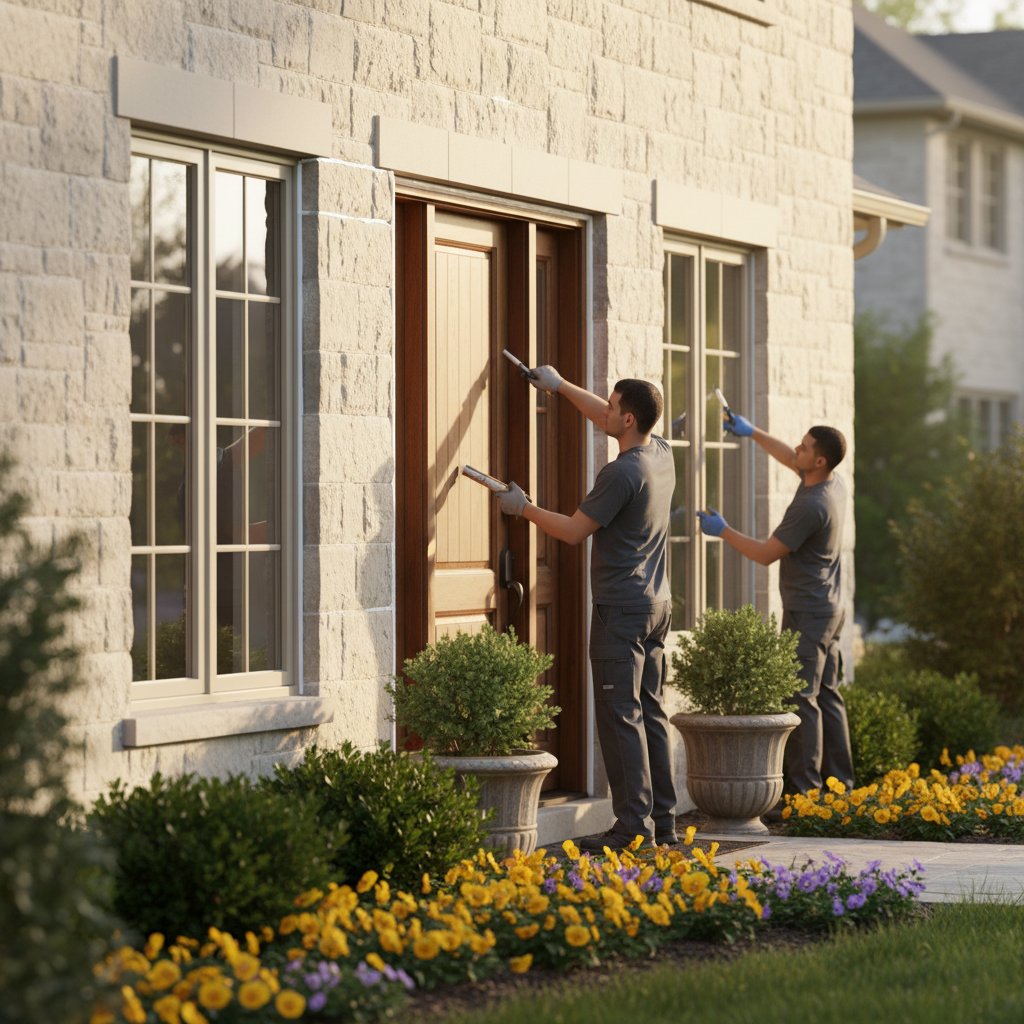
Windows are assemblies of mismatched materials, making them highly susceptible to the mechanical stress of temperature swings. While glass is relatively stable, the vinyl or wood frames surrounding it expand and contract significantly as the Carbon County sun warms them. This constant movement creates a shearing force against the glass. Over time, this action fatigues the primary seal, eventually allowing argon gas to escape and moisture-laden air to enter. The resulting foggy appearance between panes is a clear indicator that your windows have lost their insulating value and structural integrity.
A key part of Utah freeze-thaw cycle home exterior damage prevention involves monitoring the perimeter of these units. Inspect the bead of caulk where the window frame meets your siding or masonry. Look for areas where the sealant has pulled away or become brittle, leaving a hairline gap for meltwater to enter. For local repairs, we recommend using high-quality exterior caulk specifically rated for a 50 to 85 degree application window. Applying sealant within this specific temperature range ensures it cures with the necessary elasticity to survive the extreme contraction of a Price winter. If you notice drafts or visible condensation inside your glass, dependable exterior improvement services can help determine if a simple reseal is sufficient or if the window unit requires professional replacement.
Gutters and Ice Dams: The Downward Spiral of Water Damage
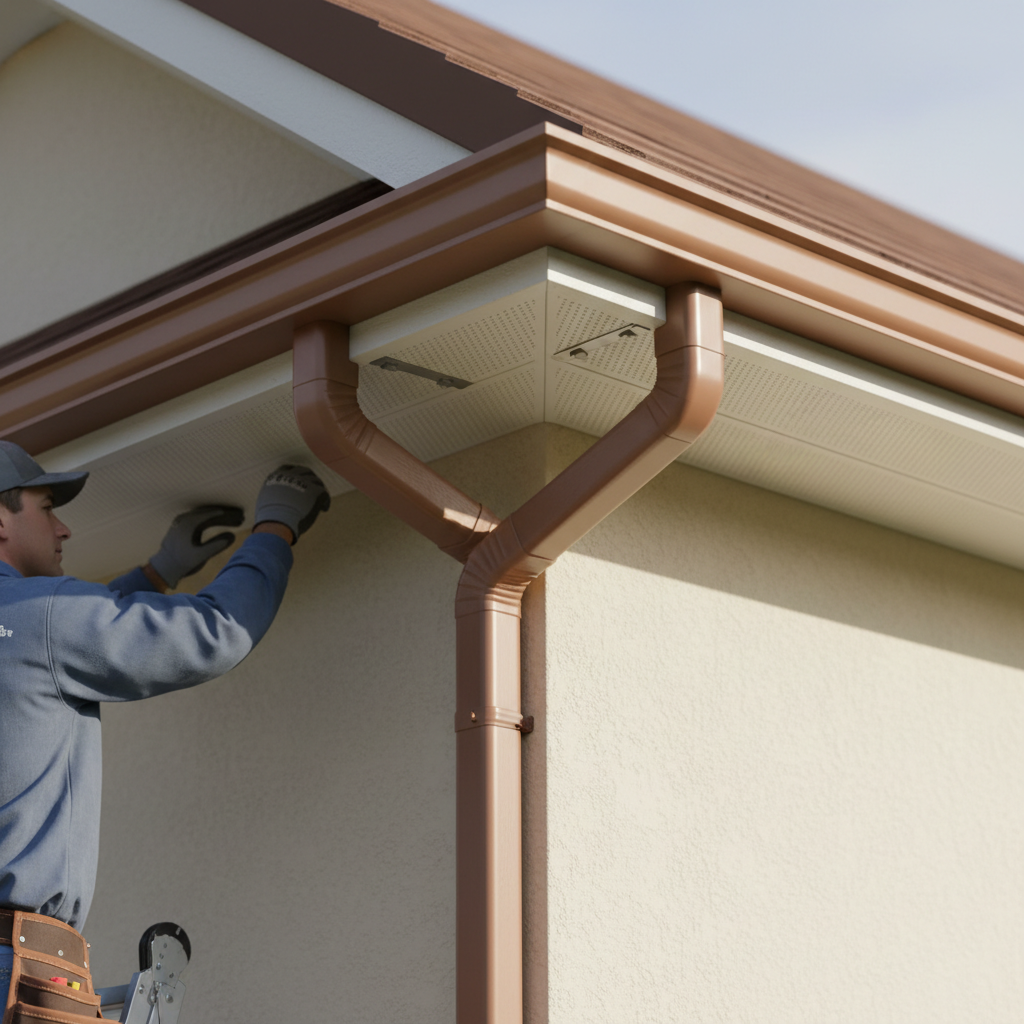
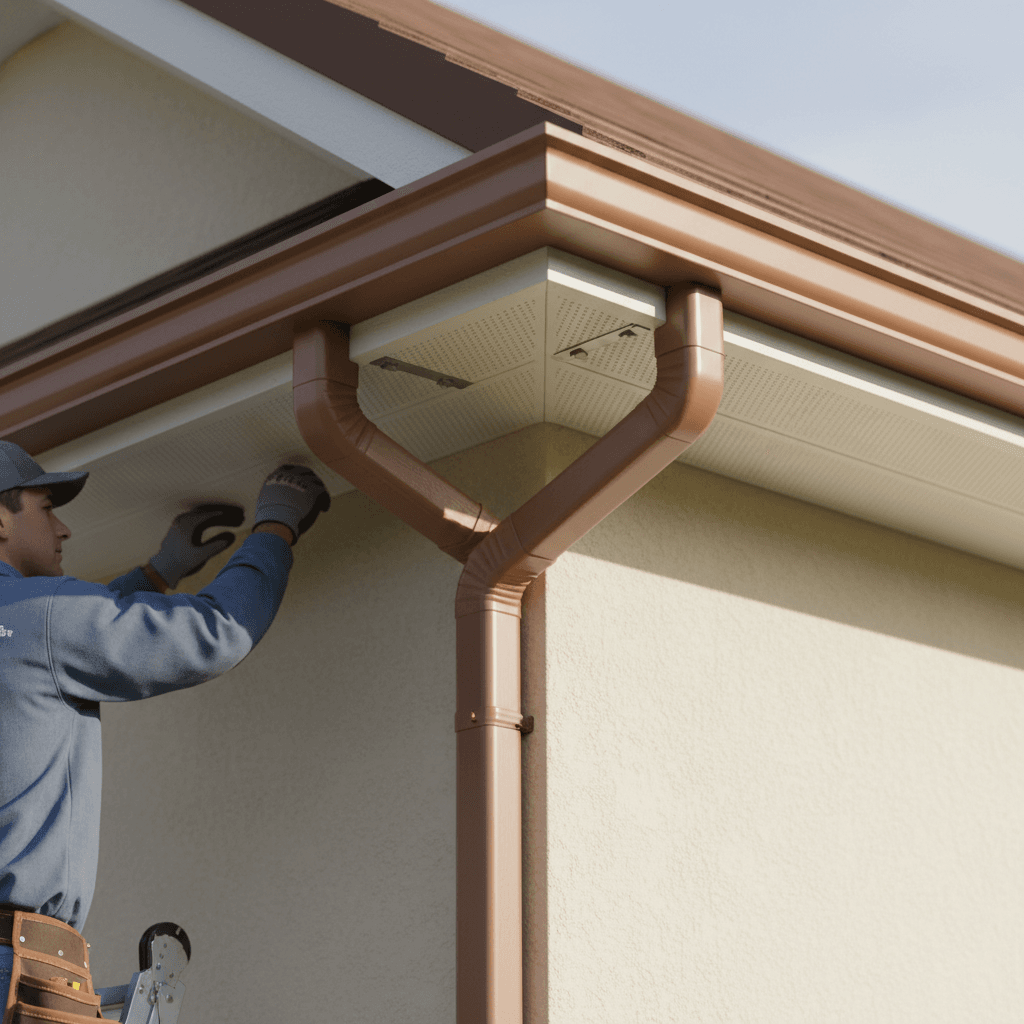
While window seals face mechanical stress, your gutter system manages the sheer volume of meltwater produced during a Carbon County winter. When gutters are clogged with autumn leaves or debris, they create a dangerous feedback loop. Meltwater from the roof cannot reach the downspouts, causing it to overflow and saturate the fascia boards. As temperatures drop, this trapped water freezes and expands, prying the fascia away from the roofline and weakening the structural support for the gutters themselves.
This overflow also contributes to the formation of ice dams. In Price and Helper, where snow can sit on roofs for weeks, heat escaping from the attic melts the bottom layer of snow. This liquid water flows down to the colder eaves where it refreezes, creating a thick ridge of ice. This dam traps subsequent meltwater, forcing it upward under the shingles through capillary action. When this trapped water freezes, it lifts shingles and compromises the underlayment, leading to significant roof leaks that often go unnoticed until spring. Effective Utah freeze-thaw cycle home exterior damage prevention requires ensuring that gutters are clear and heat loss is minimized.
The final stage of this downward spiral occurs at the ground level. If downspouts are not positioned to move meltwater at least 5 to 10 feet away from the home, the water pools against the foundation. This directly impacts how freeze-thaw cycles affect concrete and foundations; saturated soil expands with tremendous force when it freezes, leading to foundation cracks, basement seepage, and shifted walkways. If your drainage system is struggling to keep up with the winter cycles, contact Keith Exteriors for dependable exterior improvement services to protect your property's structural integrity.
A Carbon County Homeowner's Prevention Checklist
Maintaining a property in the high desert requires a proactive approach that anticipates the arrival of the first hard freeze. In Carbon County, where heavy snow loads are a certainty for towns like Helper and Price, performing these specific tasks before the ground freezes can save thousands in emergency repairs. This list provides a technical roadmap for Utah freeze-thaw cycle home exterior damage prevention.
Late Autumn Gutter Sanitization: Clean all debris after the final leaves have dropped but before the first sustained freeze. Clear gutters are the only way to ensure meltwater from heavy snow loads drains properly rather than backing up under your shingles.
Weatherstripping Audit: Inspect the compressible seals around all exterior doors. If the rubber feels brittle or remains flat after the door is opened, it will fail to block moisture during a blizzard. Replace these seals to maintain a thermal break and prevent internal frame damage.
Masonry and Siding Sealing: Walk the perimeter of your home and identify hairline cracks in stucco or gaps in siding joints. Use a high-quality sealant to close these openings before the first frost, preventing water from entering and expanding as the temperature drops.
Foundation Grade Assessment: Verify that the soil around your foundation slopes downward, away from the structure. If the ground has settled, it creates a basin for meltwater to collect, which leads to foundation shifting and cracking when the soil expands during a deep freeze.
Roof Surface Inspection: Check asphalt shingles for significant granule loss, often visible as dark patches or accumulated grit in the gutter troughs. Loss of granules indicates the material is becoming too brittle to flex under ice loads, making it prone to cracking.
If these inspections reveal damage that requires more than a simple DIY fix, securing dependable exterior improvement services is the next logical step. Addressing these vulnerabilities now ensures your home remains resilient through the coming winter months. For a professional evaluation of your home’s winter readiness, contact Keith Exteriors.
When to Invest in Durable Exterior Upgrades
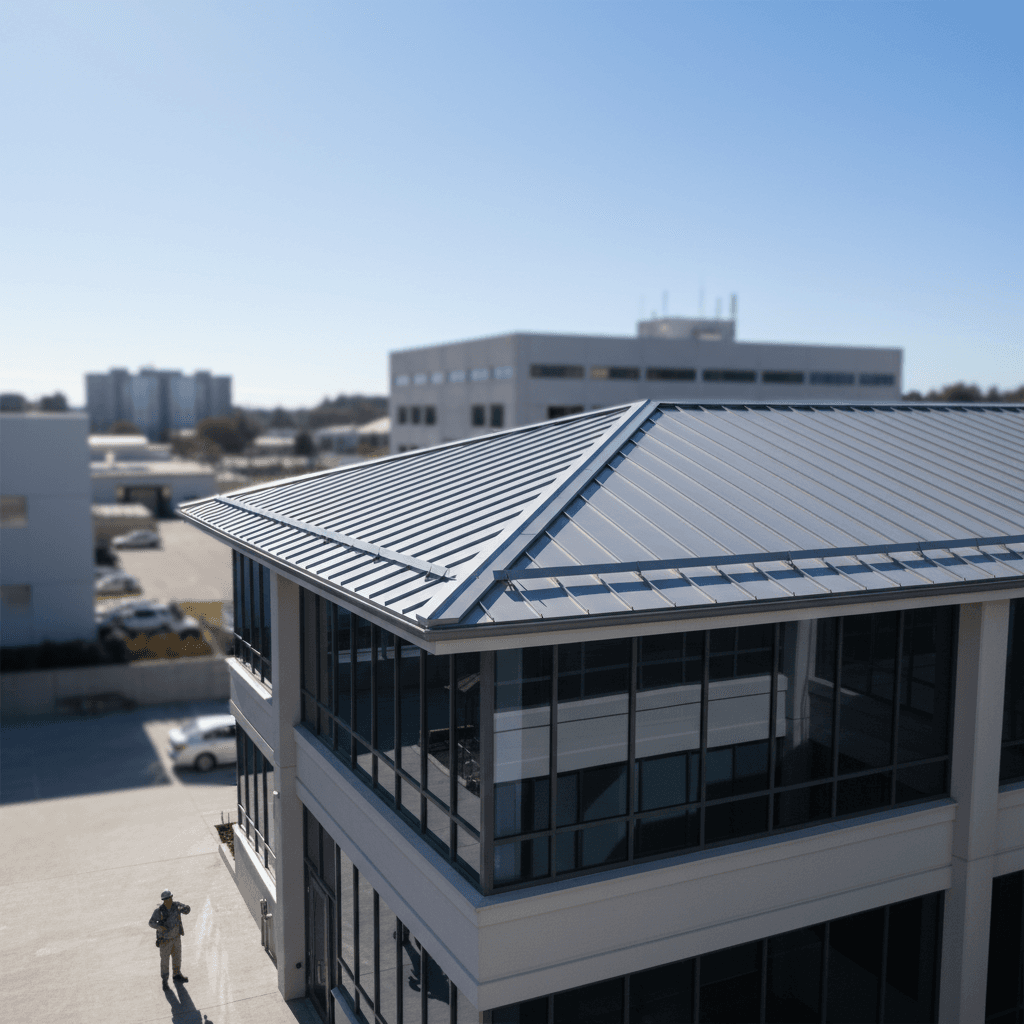
Routine maintenance extends the life of a building, but many older structures in Carbon County eventually reach a point where seasonal repairs are no longer cost-effective. Investing in modern, durable materials is often the most reliable form of Utah freeze-thaw cycle home exterior damage prevention. High-quality, contemporary vinyl siding is engineered with advanced chemical stabilizers that maintain flexibility during sub-zero nights in Helper and Price, preventing the shattering common in older, brittle products. Similarly, metal roofing provides a superior defense against ice dams; its smooth surface sheds heavy snow loads quickly and does not absorb the moisture that causes asphalt shingles to delaminate and crack over time.
The performance of these materials depends entirely on professional installation techniques that account for thermal movement. Because Carbon County homes experience significant expansion and contraction, siding must be "floated" on the wall rather than nailed tight. This allows panels to slide horizontally as temperatures shift, preventing the warping or buckling that occurs when materials are restricted. Furthermore, precision flashing around chimneys and roof valleys is essential to direct meltwater away from vulnerable seams. If your current exterior is showing signs of systemic fatigue, such as recurring leaks or warped panels, it is time to consider dependable exterior improvement services. To discuss a long-term solution for your property, contact Keith Exteriors for a detailed assessment of your home’s specific needs.
Utah’s intense freeze-thaw cycles can cause significant wear on your home over time. By staying proactive with maintenance and regular inspections, you can protect your investment and avoid expensive structural repairs. While basic DIY checks are helpful, it often takes a specialized eye to spot subtle issues before they escalate. If you want expert help protecting your property from the local climate, you can learn more about our team and our commitment to quality craftsmanship. We are here to ensure your exterior remains resilient year after year.