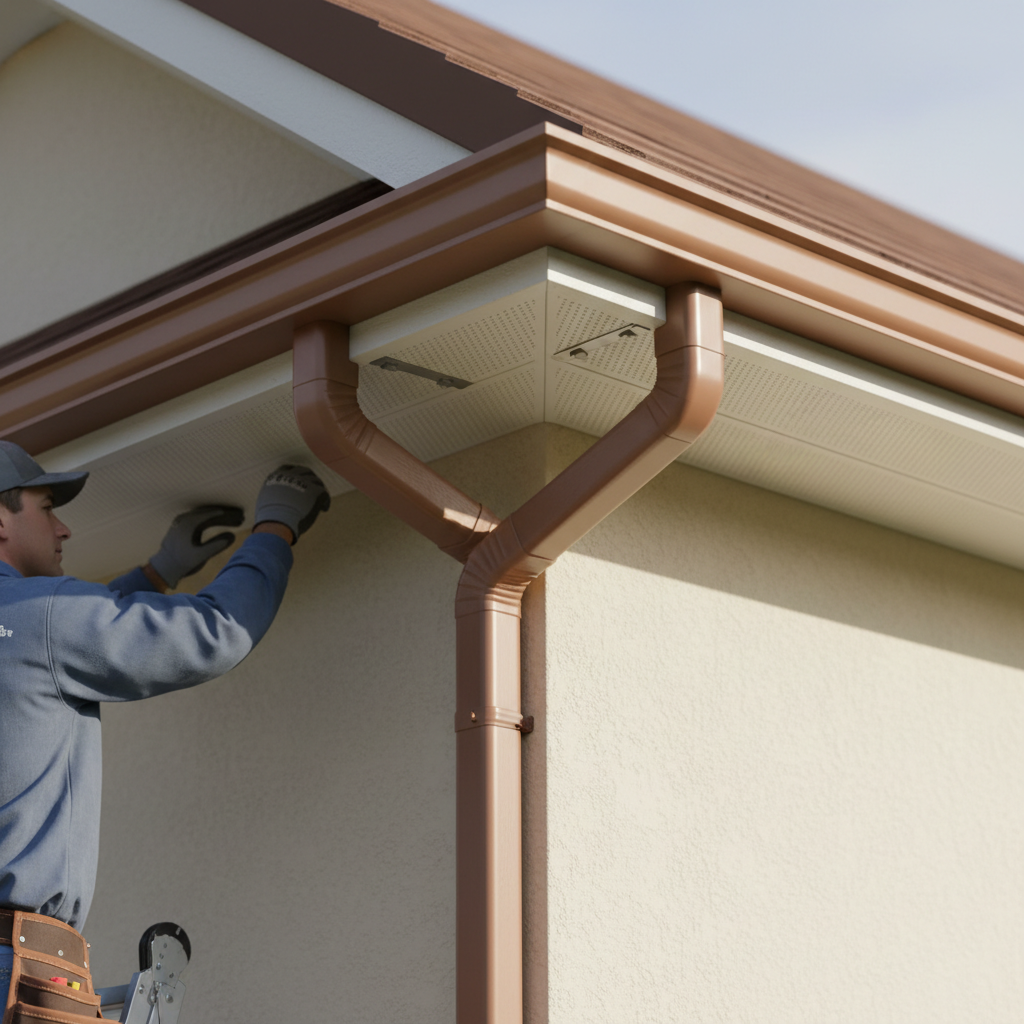
Routine gutter maintenance protects your home from foundation damage, soil erosion, and basement flooding by directing rainwater away from the structure. Effective care involves seasonal cleaning to remove debris, flushing downspouts to ensure proper flow, and securing loose brackets to prevent long term water damage.
As a Carbon County homeowner, you understand how the harsh high desert climate tests your property's integrity. Neglected gutters quickly lead to cracked foundations and costly water damage during the heavy spring melt. It is easy to overlook this critical drainage system until a sudden storm causes visible overflow; however, that delay can be devastating to your home's structural health. At Keith Exteriors, we have seen how proactive maintenance saves local residents thousands in preventable repairs. Properly functioning gutters protect your siding, landscaping, and foundation from the unique challenges of our Utah environment. In this guide, we will examine why gutter health is vital for protecting your foundation over time. We will also provide a comprehensive seasonal maintenance checklist specifically for our region. You will learn how to prevent dangerous ice dams and whether gutter guards are a worthy investment for your home.
Why Gutter Maintenance is Critical in the Carbon County High Desert
Living in the Carbon County high desert presents a specific set of challenges for any residential or commercial exterior. While the region is known for its arid climate, the weather patterns in Price, Helper, and East Carbon are characterized by extreme shifts. We experience intense UV exposure that degrades materials, sudden monsoonal downpours in the late summer, and significant snow loads throughout the winter months. These conditions mean that local gutter maintenance requires a more nuanced approach than what you might find in a generic home improvement guide.
In our dry environment, the flexible sealants used in gutter joints and end caps are particularly vulnerable. The constant cycle of heat and low humidity causes these seals to become brittle and eventually crack. Because long stretches of dry weather are common, these failures often go unnoticed until a heavy storm hits. When the monsoons arrive, a compromised system can fail instantly, leading to water cascading down the siding or pooling at the base of the structure.
Gutters function as the first line of defense against foundation damage and soil erosion. By effectively channeling water away from the building, they protect the structural integrity of the property. Neglecting this system allows water to saturate the ground near the foundation, which is especially problematic in our local soil conditions. Prioritizing consistent exterior improvement and maintenance ensures that your home is equipped with durable exterior solutions capable of withstanding the high desert’s unique architectural stresses.
The Direct Link Between Gutters and Foundation Protection
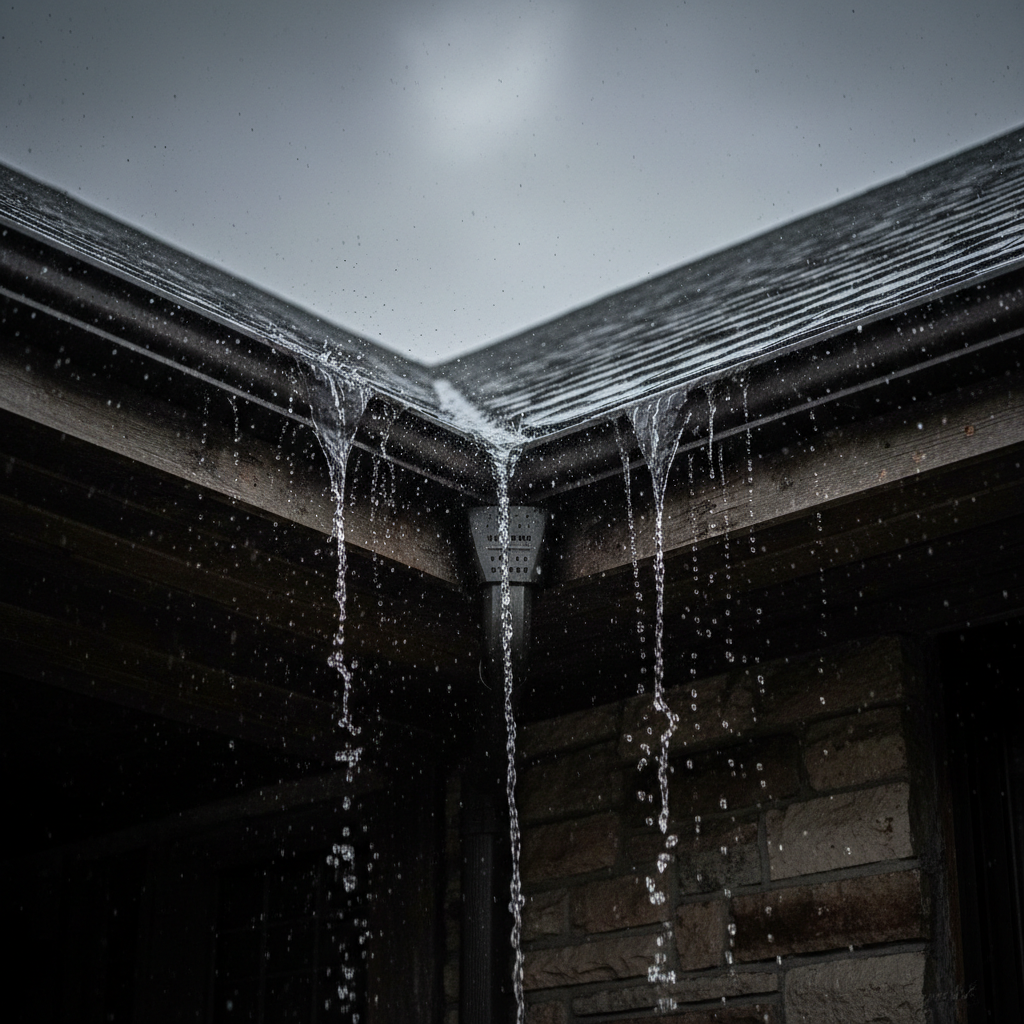
Homeowners often ask, 'Do gutters help prevent foundation damage?' The answer is a definitive yes. In Carbon County, the primary threat comes from our clay-heavy soils. When water pools at the base of a home due to overflowing or poorly aimed downspouts, this clay absorbs the moisture and expands rapidly. As the soil dries, it contracts. This constant cycle of swelling and shrinking exerts significant pressure on concrete footings, often leading to structural cracks and shifting over time.
Effective gutter maintenance ensures that runoff is deposited far enough from the building to maintain stable soil moisture levels. Beyond structural integrity, a functional drainage system prevents hydro-static pressure from forcing water through basement walls, which is a common cause of interior flooding. It also eliminates splash back, a process where falling water hits the ground and bounces mud and moisture onto your siding and trim. Constant splash back leads to wood rot, paint failure, and unsightly staining on the lower portion of your home. By investing in durable exterior solutions, you protect these critical components from premature failure. If you have noticed water pooling near your walls after a storm, contact our team to evaluate your drainage system's efficiency.
Carbon County Seasonal Gutter Maintenance Checklist
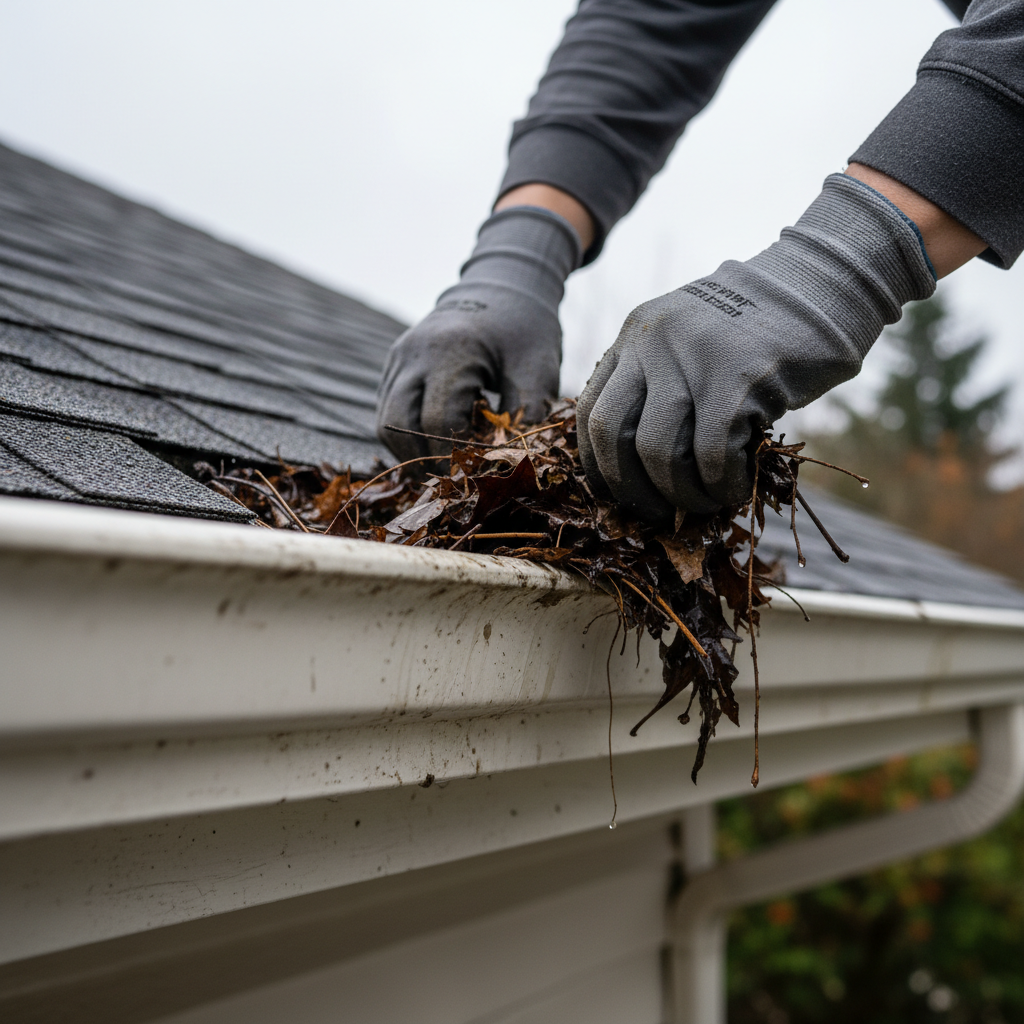
Proper gutter maintenance in Carbon County requires a schedule that aligns with our specific freeze and thaw cycles. While homeowners in milder climates might wait until late November, our local weather demands a more proactive approach to ensure that snowmelt and monsoon rains do not bypass the drainage system. We recommend a full service at least twice a year: once in late spring after the last snow has melted, and again in late August or September before the first hard freeze.
Following this specific checklist will help maintain the structural integrity of your home:
Debris Removal: Clear all sediment and organic matter. In our region, this often includes a mix of wind-blown desert silt and needles from local pine or cottonwood trees. Use a dedicated gutter scoop to avoid scratching the protective coating of the metal.
Downspout Flushing: Run a high-pressure garden hose through the system to confirm water flows freely to the discharge point. This is the best time to check for the brittle seals mentioned previously; look for water dripping from joints or end caps.
Hardware Audit: High desert winds and heavy winter snow loads put immense stress on mounting hardware. Inspect every bracket and fastener along the fascia line. Use a nut driver or screwdriver to tighten any fasteners that have vibrated loose, ensuring the gutter remains at the proper pitch.
Structural Alignment: Check for sagging sections where water might pool. Standing water not only attracts pests but also adds unnecessary weight that can pull the gutter away from the building.
Executing these steps ensures that your durable exterior solutions remain functional throughout the year. If you discover brackets that will no longer hold or notice significant rust during your inspection, it may be time for professional exterior improvement and maintenance. Catching these issues during a routine cleaning prevents them from becoming emergency repairs during a winter storm. For a comprehensive professional assessment of your system's condition, contact our team to schedule a site visit.
Preventing Ice Dams and Winter Gutter Damage
In Carbon County, the transition from fall to winter brings a serious risk to your roofline: ice dams. These ridges of ice form at the edge of the roof when heat escaping from your attic melts the snow above, causing water to run down and refreeze at the colder eaves. If your system is clogged, this water has nowhere to go, accelerating the build-up. Many residents ask, "Can ice dams damage gutters?" The answer is absolutely. The sheer weight of a thick ice dam can bend metal brackets, pull gutters away from the fascia board, or even cause the entire length of the gutter to collapse. Beyond the metal itself, ice dams force water to back up under shingles, leading to roof leaks and interior wall damage.
When considering what you can put in your gutters to prevent ice dams, heat cables are a common and effective tool. These self-regulating cables are installed in a zigzag pattern along the roof edge and inside the gutter to maintain a clear drainage path for snowmelt. However, heat cables are a secondary defense. The baseline requirement for winter protection is ensuring your system is free of debris. Clogged gutters trap water that would otherwise drain, giving ice a foundation to grow. You should also evaluate your attic insulation; keeping the roof deck cold by preventing heat loss is the most effective way to stop the melt-freeze cycle at its source. Integrating these durable exterior solutions prevents the need for emergency exterior improvement and maintenance mid-winter. If you noticed significant ice build-up or hanging icicles last season, contact our team to discuss permanent prevention strategies before the first heavy snowfall.
Evaluating Gutter Guards: What Utah Homeowners Need to Know
Professionals in the exterior industry often get asked, "What do roofers say about gutter guards?" The honest answer is that while they are highly effective tools, they are not a "set it and forget it" solution. In Carbon County, the performance of a guard system depends heavily on how it interacts with our specific environment. Inexpensive plastic screens or foam inserts often fail under the intense UV exposure and high desert winds we experience in Price and Helper. Foam, in particular, tends to trap moisture and fine desert silt, leading to organic growth or heavy sludge that actually impedes water flow.
Micro-mesh systems are generally the most durable exterior solutions for our region. These guards feature a stainless-steel mesh that is fine enough to block pine needles and the notorious "snow" from local cottonwood trees. Because these trees produce debris that can easily clog an open system, guards are often a game-changer for properties with heavy foliage. However, even the best micro-mesh can accumulate a layer of fine silt or wind-blown dust over time. This creates a crust that may cause water to overshoot the gutter during a heavy monsoon rain.
We recommend guards as a way to significantly reduce the frequency of gutter maintenance, but they do not eliminate the need for an annual inspection. You still need to verify that the brackets are secure and that no fine debris has bypassed the mesh. Integrating high-quality guards is a smart move for long-term exterior improvement and maintenance, provided you understand they are part of a managed system. If you are unsure which guard type fits your roof pitch and local tree cover, contact our team for a professional recommendation.
When to Choose Professional Gutter Maintenance and Repair
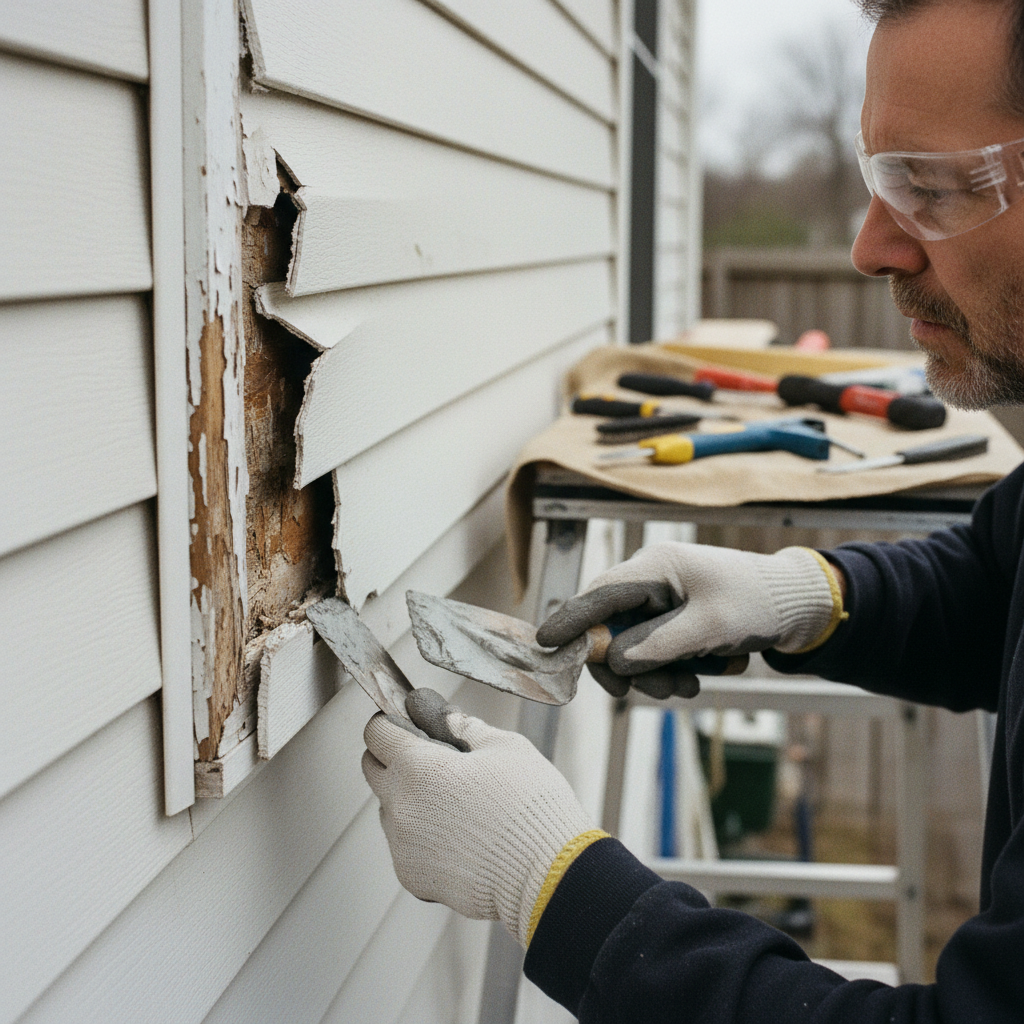
Transitioning from routine gutter maintenance to complex repairs often reveals the limits of DIY labor. Climbing a ladder for a single-story ranch is manageable for many, but multi-story properties or homes built on the uneven terrain common around Price and Helper introduce significant safety risks. A fall from a second-story roofline can be life-altering, making professional assistance a practical choice for higher elevations.
Beyond safety, professional exterior improvement and maintenance requires the technical expertise to identify subtle system failures. A gutter may appear clear of debris yet still fail to drain if the pitch has shifted. We use precise leveling techniques to ensure the run maintains the correct slope toward downspouts, preventing the standing water that causes hardware strain and pest issues.
At Keith Exteriors, our inspections are designed to catch minor issues before they escalate. We look for hairline cracks in sealant and check for fasteners that have begun to pull away from the fascia due to past snow loads. Identifying these vulnerabilities early prevents water from reaching your home's structural wood, ensuring you have durable exterior solutions that last. If you notice water spilling over the sides during a storm or suspect your system's alignment is off, contact our team for a comprehensive evaluation.
Keeping your gutters clear is one of the simplest ways to protect your Carbon County home from costly water damage. By following a seasonal maintenance schedule, you can prevent foundation issues and roof leaks before they begin. While DIY cleaning is often effective, some homeowners prefer the peace of mind that comes with a professional inspection. If you want expert help ensuring your home stays protected, you can learn more about our team and our commitment to quality service. We are always here to help you navigate your next exterior project.