Fiber cement, specifically James Hardie siding, is widely considered the best siding for Utah climate because it resists warping and fading under intense UV exposure and extreme temperature swings. This material offers superior fire resistance and durability, providing a long lasting solution for the region's unique high desert conditions.
Utah homeowners face a relentless cycle of scorching summer sun and freezing mountain winters, a combination that can quickly deteriorate standard building materials. When siding begins to warp, fade, or crack under the pressure of intense UV radiation and rapid temperature shifts, it compromises both your home’s curb appeal and its structural integrity. At Keith Exteriors, we understand that protecting your investment requires more than just an aesthetic choice; it demands a solution engineered for the high desert. In this guide, we provide a practical comparison of the leading materials available today, including fiber cement, insulated vinyl, and metal. You will learn which options offer the highest R-values, how specific textures hold up against windblown debris, and what to expect regarding long term maintenance costs in our unique climate.
The Unique Challenges of the Utah High Desert Climate
Carbon County and the surrounding high desert regions present a grueling environment for residential and commercial exteriors. Unlike more temperate regions, our local climate is defined by extreme contradictions. We deal with an arid heat that can reach triple digits in the summer followed by frigid, snowy winters where temperatures plummet well below zero. This creates a high diurnal temperature range, forcing siding materials to expand and contract rapidly within a single 24 hour period.
The intense UV radiation at our elevation is another primary stressor. High altitude sunlight is significantly more destructive than at sea level. It causes standard materials to become brittle and colors to fade prematurely. Over time, this UV exposure breaks down the chemical bonds in many plastics and paints, leading to chalking or cracking. When selecting the best siding for Utah climate, homeowners must account for this accelerated degradation.
Furthermore, the high desert experiences aggressive freeze-thaw cycles. During the day, snowmelt can seep into small gaps or porous surfaces. When the sun sets and temperatures drop, that water freezes and expands, widening cracks and compromising the building's envelope. Combine these factors with high-wind events that often sweep through our canyons and basins, and it becomes clear why basic materials often fail. Successful exterior improvement and maintenance in this region requires products with exceptional thermal stability and mechanical strength to withstand these unique environmental pressures while maintaining curb appeal.
Fiber Cement Siding: The Gold Standard for Durability and Protection
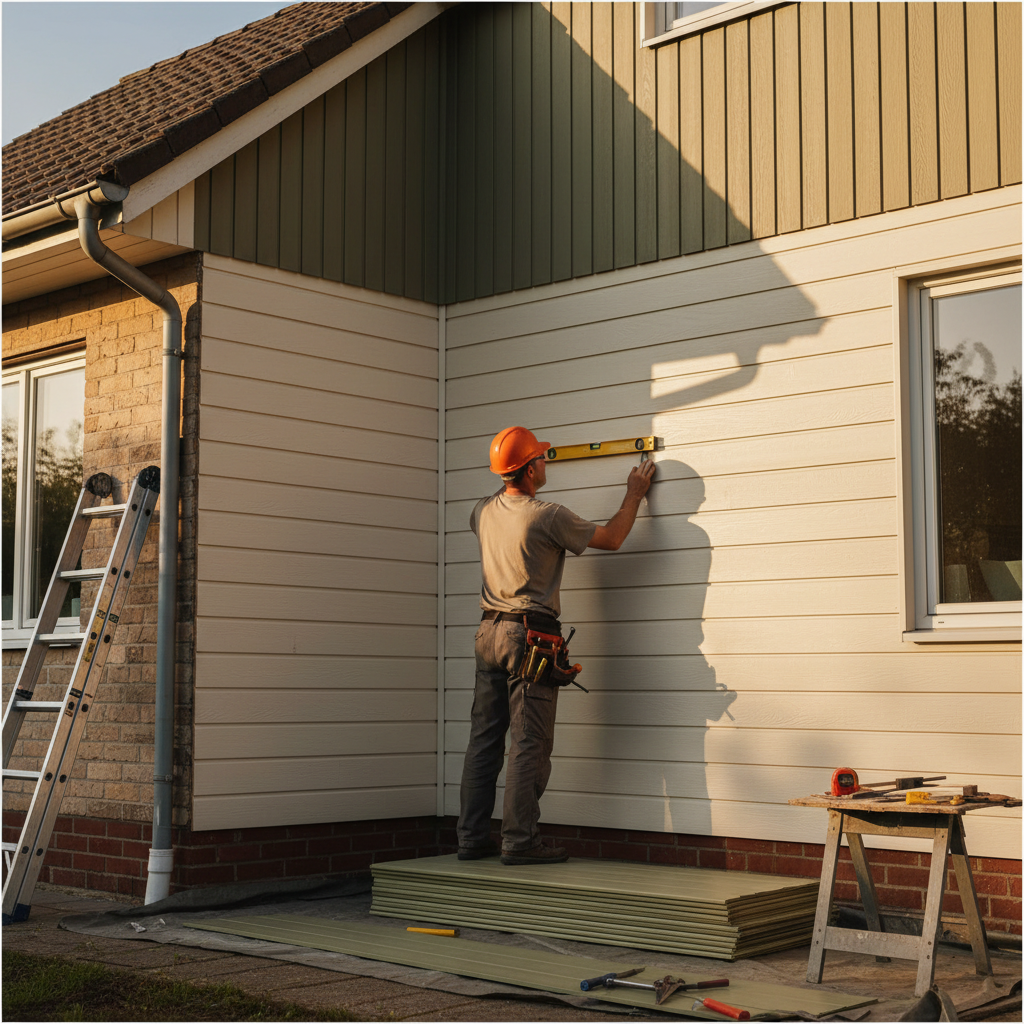
To withstand the atmospheric pressures of Carbon County, fiber cement siding stands as the premier recommendation. Often associated with the James Hardie brand, this material is engineered from a precise mixture of Portland cement, sand, and cellulose fibers. This composition creates a dense, heavy substrate that is fundamentally different from wood or plastic. Because it is chemically inert once cured, it does not warp when baked by the high desert sun, nor does it become brittle and crack when temperatures drop below zero. This dimensional stability is critical for maintaining a tight building envelope during the rapid thermal shifts common in Utah.
Safety is a primary driver for choosing fiber cement in our region. Given the proximity of many local homes to dry brush and canyon winds, fire resistance is a vital consideration. Fiber cement is non-combustible; it will not ignite or provide fuel for a fire, even when exposed to direct flame. This performance often qualifies homeowners for reduced insurance premiums, as the material significantly lowers the risk of total loss during a wildfire event. Investing in this level of protection is a cornerstone of effective exterior improvement and maintenance for long term property security.
While the initial installation requires specialized tools and expertise to handle the weight and dust, the return on investment is found in its longevity. Most fiber cement products carry a 30 year limited warranty, with an actual service life that can easily exceed 50 years. This outperforms almost every other residential cladding option on the market.
Feature | Fiber Cement | Vinyl | Natural Wood |
|---|---|---|---|
Lifespan | 30 to 50 Years | 20 to 30 Years | 15 to 20 Years |
Fire Rating | Class A (Non-combustible) | Combustible/Melts | Combustible |
UV Resistance | High | Moderate (Fades) | Low (Needs Sealing) |
Maintenance | Low (Occasional Paint) | Very Low | High (Re-staining) |
For property owners focused on maximizing curb appeal without the burden of constant upkeep, fiber cement offers various textures that mimic wood grain or smooth stucco. To see how these profiles can be integrated into your specific project, you can contact our team for a detailed assessment of your building's requirements.
Insulated Vinyl Siding: Balancing Performance and Value
While fiber cement sets the bar for longevity, many property owners prioritize a balance between thermal performance and initial cost. Modern insulated vinyl siding represents a significant leap forward from the thin, brittle panels of the past. By integrating a rigid foam backing into the profile of the panel, this material serves as a functional layer of exterior insulation. In the scorching summers of Carbon County, this added R-value is critical; it creates a thermal break that prevents heat from soaking through the walls, directly lowering energy bills.
A common concern in the high desert is the tendency for vinyl to crack during extreme cold. This failure is rarely a fault of the material itself but rather a result of improper installation. Because vinyl has a high coefficient of thermal expansion, it can grow or shrink by more than half an inch across a standard twelve-foot panel as temperatures shift. When we perform exterior improvement and maintenance, we ensure the siding is "hung" on the fasteners rather than nailed tight. This allows the material to slide freely during diurnal temperature swings, preventing the buckling and stress-cracks often seen in DIY applications.
Specification | Standard Vinyl | Insulated Vinyl |
|---|---|---|
Added R-Value | 0.61 | 2.0 to 3.5 |
Impact Resistance | Moderate | High (Foam-backed) |
Wind Rating | Up to 110 mph | Up to 110+ mph |
Maintenance | Low | Low |
For those seeking the best siding for Utah climate on a specific budget, insulated vinyl offers a high-performance alternative that preserves curb appeal without the need for periodic painting or staining. It is an ideal solution for busy homeowners who want a durable, "set-and-forget" exterior. To see if this material fits your building's footprint, you can contact our team for a professional measurement and estimate.
Stucco and Faux Stucco Panels: The Traditional Desert Aesthetic
Stucco remains an architectural staple across Utah because of its natural ability to shed heat and provide a clean, desert-inspired aesthetic. However, traditional cement-based stucco is often prone to failure in Carbon County. The primary issue is its rigidity. During our intense freeze-thaw cycles, moisture trapped in the porous surface expands; this leads to the hairline fractures and spalling that eventually require significant exterior improvement and maintenance.
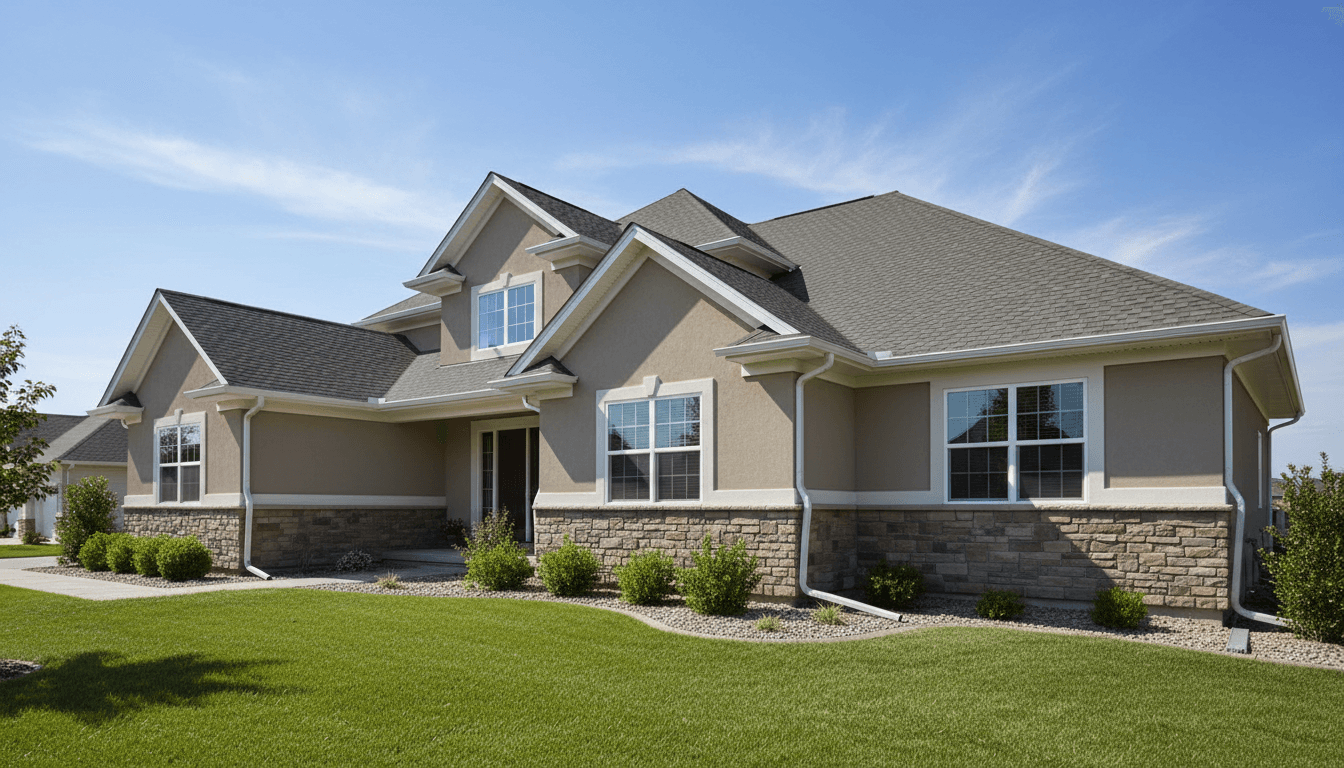
Property owners looking for that classic look without the maintenance burden should consider stucco-look fiber cement panels. Products like James Hardie Stucco Boards or Nichiha panels provide the same curb appeal but are engineered to withstand shifting temperatures without cracking. These panels are installed as a cladding system, which allows for better moisture management and airflow behind the material compared to traditional lath and plaster methods.
Material Property | Traditional Three-Coat Stucco | Fiber Cement Stucco Panels |
|---|---|---|
Freeze-Thaw Resistance | Low (prone to cracking) | High (dimensionally stable) |
Maintenance Needs | Patching and painting | Periodic cleaning |
Estimated Cost | $8 to $15 per sq. ft. | $10 to $16 per sq. ft. |
Impact Resistance | Moderate | High |
While the upfront cost of panels is comparable to a high-quality stucco job, the long-term value is found in the lack of repairs. If you are debating between these two finishes, contact our team to discuss which option provides the best siding for Utah climate for your specific property layout.
Metal Siding: The Industrial Strength Choice for Residential and Commercial
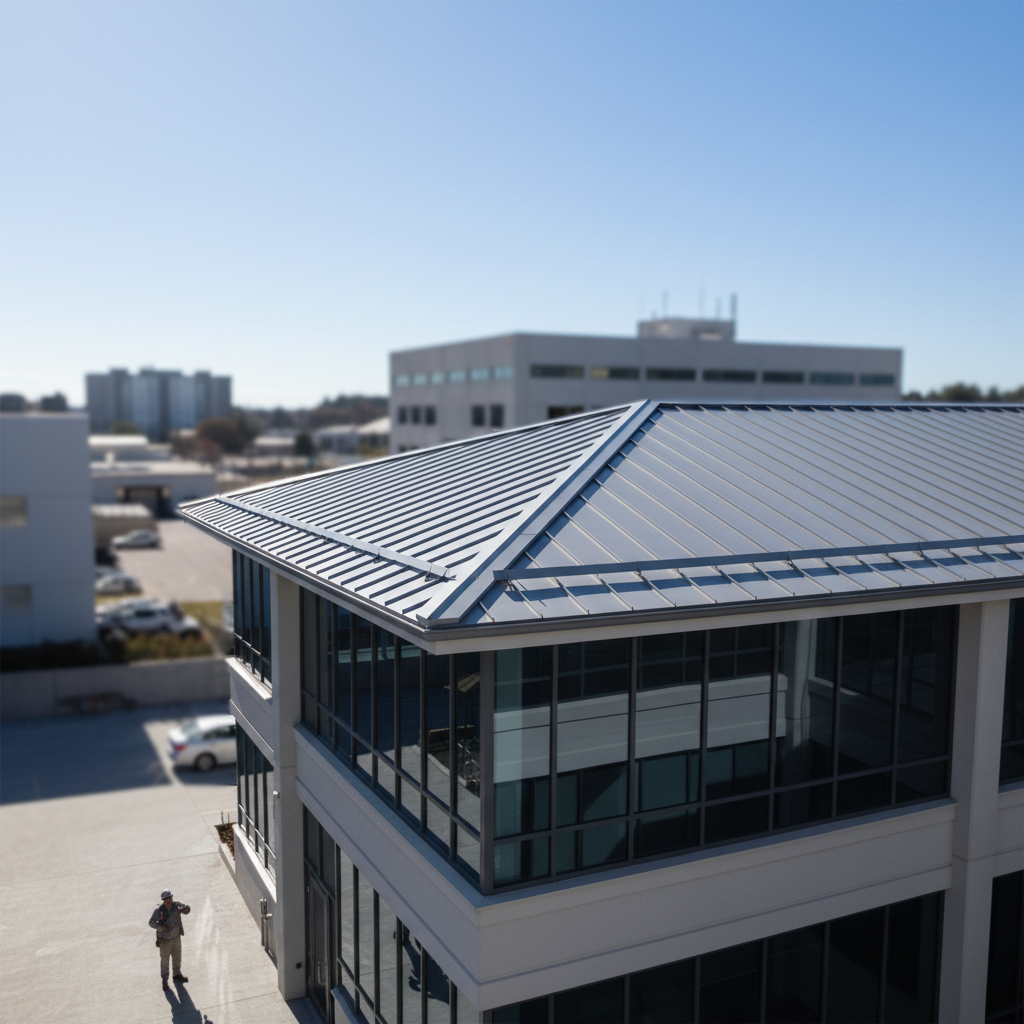
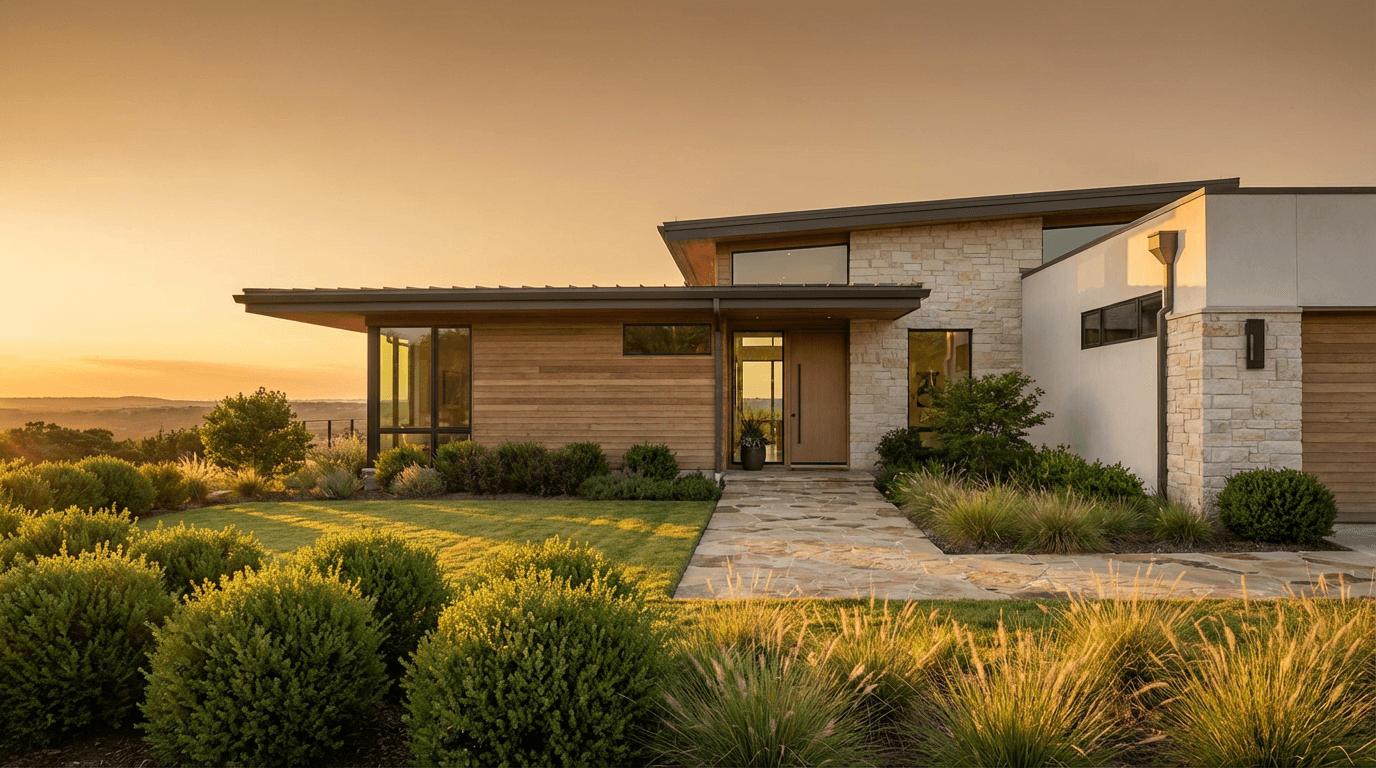
Metal siding, specifically steel and aluminum, has emerged as a top-tier choice for those seeking a modern aesthetic combined with unparalleled weather resistance. While traditionally associated with industrial buildings, these materials are increasingly utilized in residential exterior improvement and maintenance projects throughout Carbon County. Metal is a non-combustible material, providing an essential layer of protection against wildfires in our arid environment.
Unlike wood, metal siding will not rot, warp, or attract pests like carpenter ants and woodpeckers. It offers exceptional stability in high-wind areas, as the panels are securely fastened and structurally rigid. While aluminum is more lightweight and corrosion-resistant, steel provides superior impact resistance against heavy debris. It is important to note that metal can dent if struck by large hail or heavy objects; however, its ability to withstand decades of punishing desert sun without degrading makes it a strong contender for the best siding for Utah climate.
Material Property | Steel Siding | Aluminum Siding | Natural Wood |
|---|---|---|---|
Non-Combustible | Yes | Yes | No |
Rot and Pest Proof | Yes | Yes | No |
UV Resistance | Excellent | Excellent | Poor |
Wind Resistance | Very High | High | Moderate |
For commercial renovations or contemporary home designs, metal provides a sleek curb appeal that maintains its integrity for 40 years or more. If you are considering an upgrade that prioritizes longevity and fire safety, contact our team to explore the various gauges and profiles available for your property.
Energy Efficiency and R-Values in the Desert
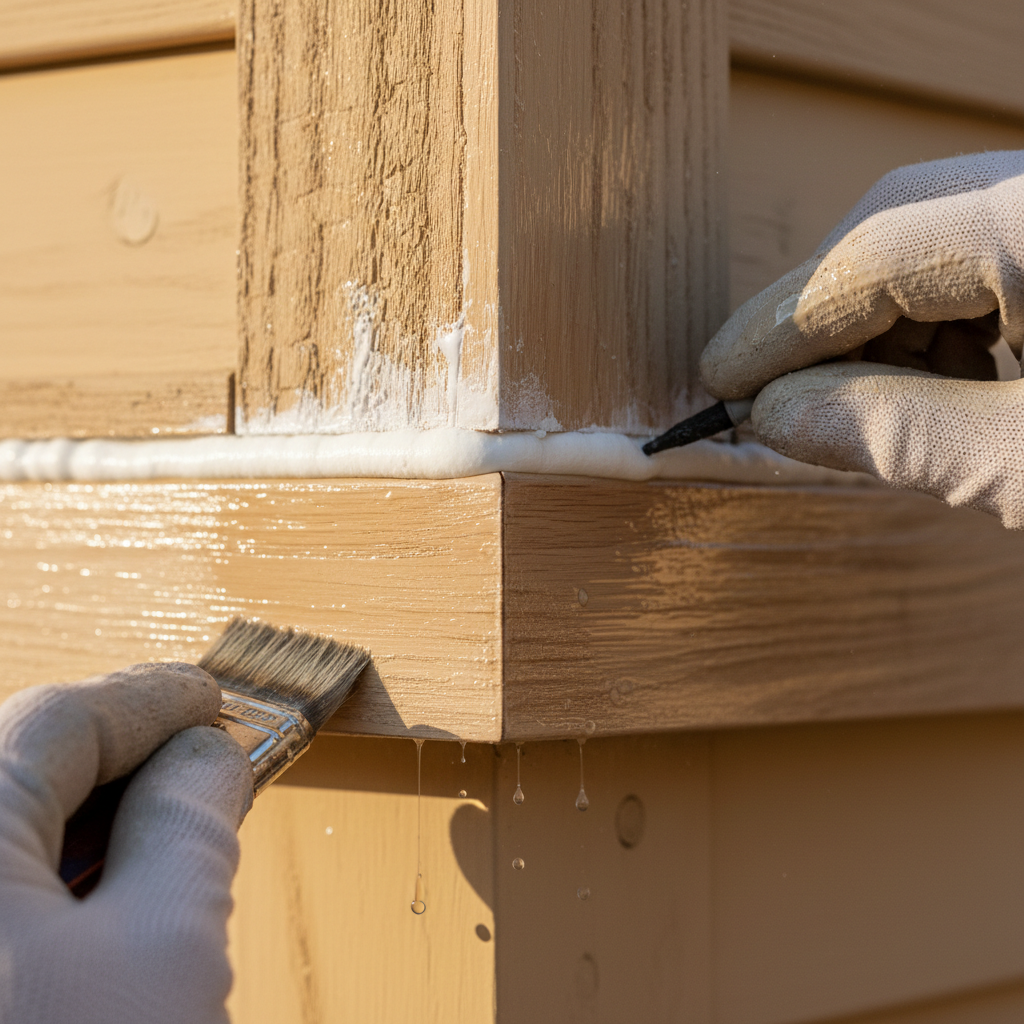
Siding acts as the outermost layer of your home's thermal envelope, serving as a critical barrier between your living space and the punishing Carbon County sun. In the context of the best siding for Utah climate, efficiency is measured by R-value, which quantifies a material's resistance to heat flow. While standard siding offers minimal insulation on its own, modern systems are designed to address thermal bridging. This occurs when heat bypasses wall insulation by traveling through the solid wooden studs of the house frame.
By utilizing insulated siding or high-quality house wraps during exterior improvement and maintenance, we create a continuous layer of protection that breaks this thermal bridge. This professional approach, combined with precision sealing and weather-stripping, ensures that conditioned air stays inside. The following table illustrates how different components contribute to the overall thermal performance of your exterior wall.
Component | Primary Function | Impact on Efficiency |
|---|---|---|
Rigid Foam Backing | Increases R-value | High |
House Wrap | Moisture and air barrier | Moderate |
Professional Sealing | Eliminates drafts | High |
Standard Cladding | Primary weather shield | Low (without backing) |
Investing in these upgrades is an exercise in long term financial planning. Reducing the workload on your HVAC system leads to significant utility savings over the lifespan of the material. To analyze the thermal performance of your current exterior, contact our team for a detailed evaluation. Improving your home's envelope protects your budget while simultaneously enhancing its curb appeal.
Common Questions: Siding Costs and Lifespan in Utah
Selecting the best siding for Utah climate involves looking past the initial price tag to evaluate the total cost of ownership over several decades. For a typical 1,500 square foot home in Carbon County, material and labor costs vary significantly based on the durability and thermal properties of the chosen product.
Siding Type | Est. Cost (1,500 sq. ft. House) | Expected Lifespan | Maintenance Cycle |
|---|---|---|---|
Vinyl | $7,500 – $15,000 | 20 – 30 Years | Cleaning as needed |
Fiber Cement | $15,000 – $22,500 | 30 – 50+ Years | Repaint every 15 years |
Metal (Steel) | $12,000 – $25,000 | 40 – 60 Years | Minimal |
Natural Wood | $12,000 – $18,000 | 15 – 20 Years | Refinish every 4 – 6 years |
Maintenance requirements are a major factor in long-term satisfaction. Natural wood requires a rigorous schedule of staining or painting every 4 to 6 years to prevent the desert sun from warping the boards. Conversely, fiber cement and metal provide a much more stable exterior that preserves curb appeal with only basic cleaning.
Color choice also plays a functional role in our arid environment. Lighter pigments reflect a higher percentage of UV radiation and heat, which protects the underlying structure and reduces the strain on your cooling system. Darker colors, while popular, tend to absorb heat and may show signs of UV fading more quickly in high-altitude sunlight. To get a precise estimate for your project, contact our team to discuss an exterior improvement and maintenance strategy that fits your budget and protection needs.
Selecting the right siding for Utah involves balancing long-term durability against intense sun and dry heat. Whether you prioritize low maintenance or classic aesthetics, the right choice will protect your home for decades to come. If you want expert help navigating these material options, our team is ready to guide you through the process. You can explore our full range of exterior services to find the perfect fit for your property. We specialize in quality installations that stand up to our unique desert environment.