Fiber cement siding is the best siding for Utah climate because it is specifically engineered to withstand extreme temperature shifts, intense sun, and heavy snowfall. While vinyl provides a cost-effective alternative, fiber cement offers superior fire resistance and long-term durability for the region's diverse environment.
Living in Utah means your home faces a relentless cycle of scorching high-desert heat and heavy alpine snowfall. If you have noticed your siding warping under the summer sun or cracking during a deep winter freeze, you are dealing with the harsh reality of our local environment. Choosing the right exterior material is not just about curb appeal; it is a critical investment in your property’s structural integrity and thermal efficiency. At Keith Exteriors, we understand that homeowners need solutions that withstand extreme UV exposure and rapid temperature swings without compromising on style. In this guide, we will evaluate the performance of fiber cement, vinyl, and metal siding across our unique landscape. You will also learn about realistic installation costs and the essential weatherproofing steps required to protect your home for decades to come.
The Unique Challenges of the Utah High Desert Climate
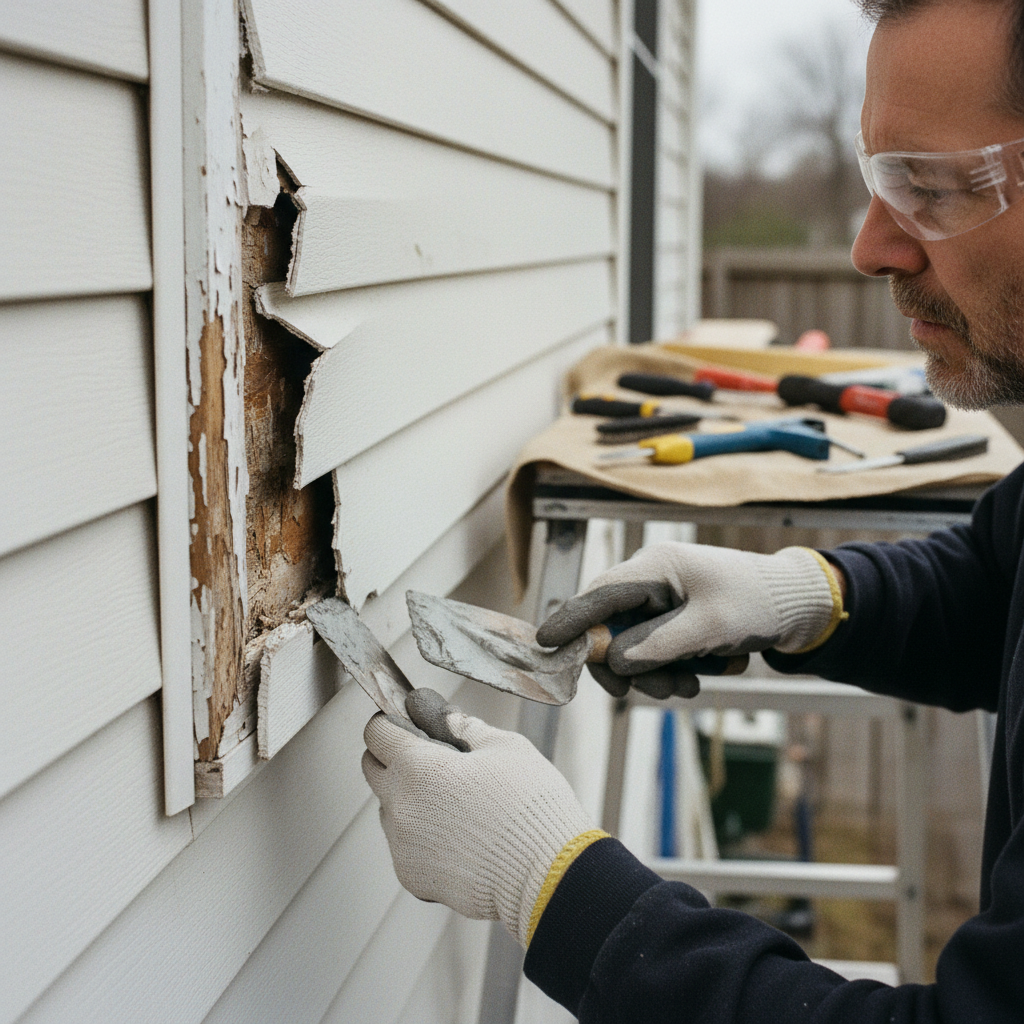
Selecting the best siding for Utah climate requires an understanding of the specific environmental stressors found in the high desert of Carbon County. Unlike more temperate regions, our local climate subjects building materials to extreme atmospheric pressure. At our elevation, the UV index is consistently high; this accelerates the breakdown of chemical bonds in many traditional siding materials. This leads to premature fading and "chalking," where the finish becomes brittle and loses its protective qualities.
The most significant challenge for any exterior in Utah is diurnal temperature variation. It is common for local temperatures to swing from 90 degrees at noon to 40 degrees by nightfall. These 50 degree shifts force siding panels to expand and contract rapidly every single day. This constant movement can cause fasteners to loosen, seams to gap, and rigid materials to crack if they are not specifically engineered for high desert environments.
Additionally, the low humidity levels characteristic of our region contribute to the rapid evaporation of moisture. This becomes particularly problematic when paired with spring snowmelt. Materials that absorb moisture during a late season storm and then dry out too quickly in the desert sun often warp or rot prematurely. To maintain structural integrity and curb appeal, homeowners need a solution that accounts for these unique thermal stresses. Our commitment to clear communication and lasting results starts with ensuring you choose a material that can withstand this cycle of expansion and contraction without failing. Investing in proper exterior improvement and maintenance ensures that these climate factors do not compromise the building's life.
Fiber Cement Siding: The Gold Standard for Durability and Fire Resistance
Fiber cement siding is widely regarded as the premier choice for homeowners seeking the best siding for Utah climate. Unlike organic materials, fiber cement is a composite made from Portland cement, sand, and cellulose fibers. This specific formulation creates a dense, masonry-like plank that is exceptionally dimensionally stable. Because it does not contain the resins found in plastics or the natural fibers of raw wood, it is virtually immune to the warping and rotting that typically occur when Carbon County’s low humidity meets sudden seasonal moisture.
The structural integrity of fiber cement makes it ideal for handling the diurnal temperature swings mentioned previously. While other materials might buckle as they expand in the afternoon sun, fiber cement maintains its shape. Furthermore, its fire resistance is a critical factor for properties located near wildland-urban interfaces. Fiber cement is non-combustible; it will not ignite or act as fuel for a fire, providing an essential layer of protection that wood and vinyl simply cannot offer.
When evaluating this material, homeowners should consider the specific requirements for successful implementation. There are a few drawbacks of fiber cement siding to keep in mind:
Installation Complexity: The material is heavy and brittle before it is secured to the wall. It requires specialized tools, such as pneumatic shears or diamond-tipped blades, to prevent delamination and cracking during the build.
Initial Investment: The cost of materials and the labor required for specialized handling result in a higher upfront price point compared to vinyl.
Maintenance: While extremely durable, the finish may eventually require repainting after 15 to 20 years to maintain its aesthetic appeal.
Choosing this material is a commitment to exterior improvement and maintenance that pays off in longevity. At Keith Exteriors, we emphasize that clear communication and lasting results depend on using these high-performance materials correctly. Professional installation ensures that the heavy planks are fastened to handle Utah’s wind loads and thermal cycles without failure.
Vinyl Siding in Utah: Balancing Cost and Maintenance
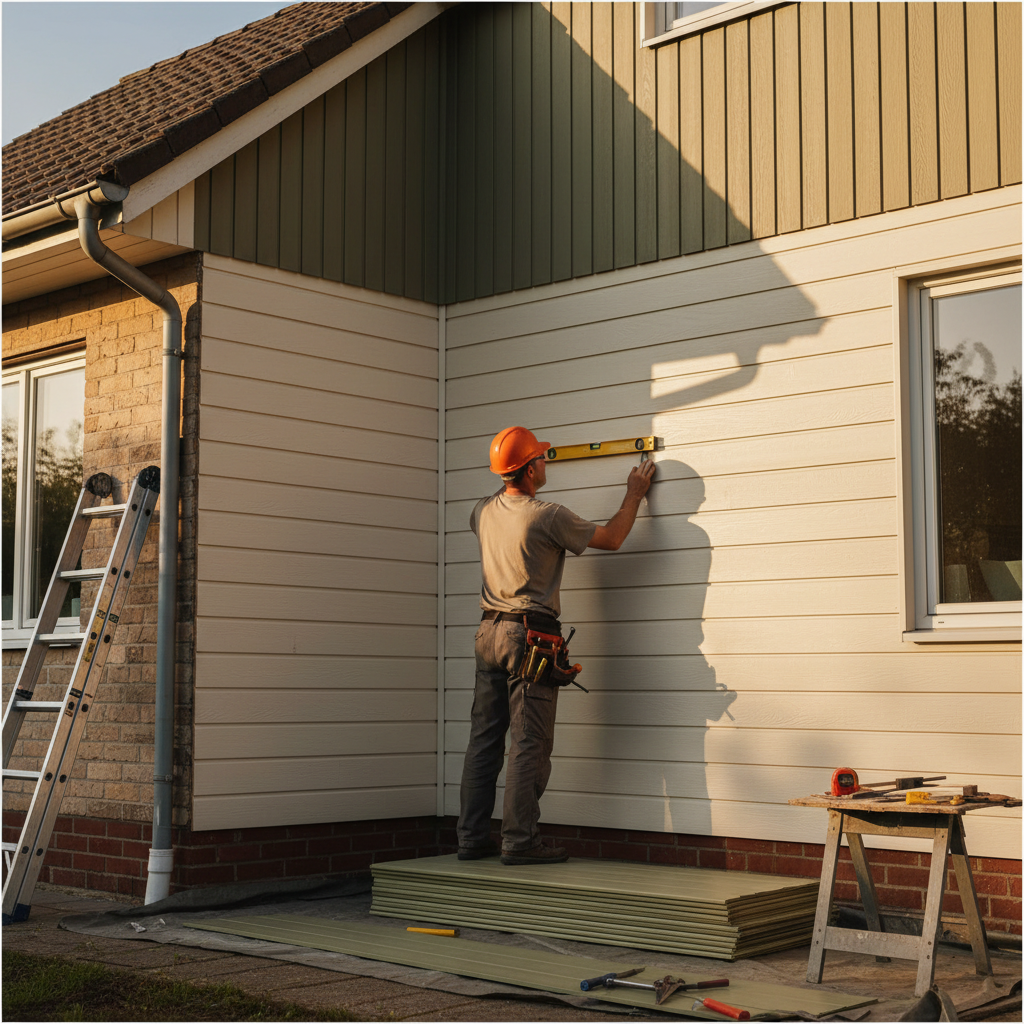
While fiber cement provides unmatched durability, vinyl siding remains the most frequently selected option for property owners focused on exterior improvement and maintenance within a specific budget. Modern manufacturing has significantly improved vinyl’s performance, particularly regarding its resilience in freezing temperatures. High-quality contemporary vinyl is engineered with impact modifiers that allow the material to remain flexible even during our coldest winter nights, preventing the shattering or cracking often seen in older, cheaper iterations of the product.
However, the primary challenge for vinyl in the high desert is not the cold, but the relentless UV radiation. In Carbon County, intense sun exposure can lead to UV chalking, a process where the surface resins break down into a white, powdery film. To combat this and minimize thermal expansion, we recommend selecting lighter colors such as sand, light gray, or cream. Darker pigments absorb more heat, which can lead to oil canning, a phenomenon where the panels warp or ripple because they cannot expand and contract freely enough during the day's heat.
Understanding the grade of the material is essential for a successful installation. We categorize vinyl options by their thickness:
Vinyl Grade | Thickness | Performance Profile |
|---|---|---|
Builder Grade | 0.040" | Minimum standard; prone to sagging and wind damage. |
Premium Grade | 0.044" to 0.048" | Better rigidity; recommended for most residential applications. |
Professional Grade | 0.050"+ | Highest impact resistance and stability against high winds. |
Providing clear communication and lasting results involves helping you navigate these specifications. Selecting a professional grade vinyl in a light color ensures that your home stays protected without the premature fading common in lower-quality products.
Metal Siding: The Underrated Hero of the Carbon County Landscape
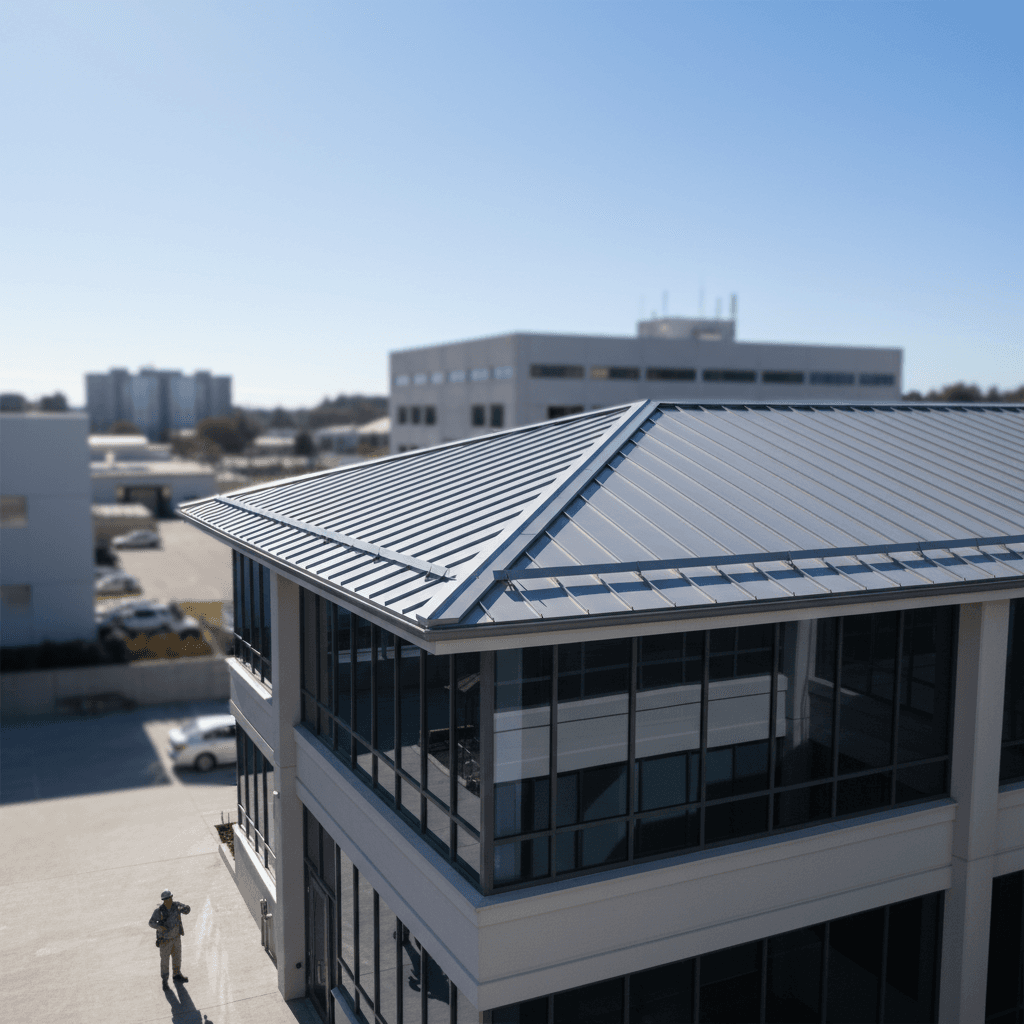
Metal siding, specifically steel and aluminum, remains an underrated choice for the Carbon County landscape. While many homeowners focus exclusively on vinyl or fiber cement, metal offers distinct technical advantages that make it a contender for the best siding for Utah climate. Unlike vinyl, metal possesses incredible dimensional stability. It does not expand or contract significantly during the 50 degree diurnal temperature shifts common in our high desert; this ensures that fasteners stay tight and seams remain closed over decades of service.
For properties in the Uintah Basin and surrounding areas, wind resistance is a primary concern. Heavy gauge steel siding is exceptionally rigid. When installed with proper techniques, it resists the high velocity gusts that often rattle or detach lighter materials. Furthermore, modern metal siding features high grade baked on finishes that are immune to the UV chalking seen in plastics. These coatings reflect a significant portion of solar radiation, assisting with energy efficiency during our intense summers.
From the perspective of exterior improvement and maintenance, metal is a low effort, high reward material. It is 100 percent recyclable and provides a sleek, modern aesthetic that fits both residential and commercial profiles. At Keith Exteriors, we prioritize clear communication and lasting results by helping you evaluate if the superior durability of steel outweighs the initial cost. If you are looking for a permanent solution to desert weathering, contact our team for a siding estimate to discuss metal options.
Stucco and Engineered Wood: Traditional Looks for Utah Homes
While modern materials offer high performance, many property owners in Carbon County prefer the traditional aesthetic of stucco or wood. Stucco remains a staple in Utah because its thermal mass helps regulate interior temperatures during hot summer days. However, the rigidity of traditional stucco presents a challenge during Utah's intense freeze, thaw cycles. Without the strategic placement of expansion joints, the shifting soil and temperature swings will cause hairline cracks that allow moisture to penetrate the building envelope.
Engineered wood provides a different set of advantages for those seeking the best siding for Utah climate without the maintenance of natural timber. Unlike standard wood which absorbs moisture and swells, engineered wood is comprised of wood flakes saturated with water, resistant resins and treated with industrial grade binders. This composition is particularly effective against the heavy, wet snowpack common in our late winters. These treated fibers resist rot and fungal decay far better than traditional cedar or pine boards.
At Keith Exteriors, our focus on exterior improvement and maintenance ensures these materials are installed to manage local environmental stresses. Delivering clear communication and lasting results means explaining that while these options offer classic beauty, their longevity depends entirely on precision installation and proper moisture management. By addressing these technical requirements during the build, we extend the building's life and ensure the exterior remains weather, resistant for decades.
Siding Installation Costs: What to Expect for a 1500 to 2000 Square Foot Home
Budgeting for the best siding for Utah climate requires a clear understanding of material and labor dynamics specific to the Carbon County region. For a typical home ranging from 1,500 to 2,000 square feet, the total investment is influenced by material thickness, structural complexity, and the current condition of the exterior sheathing.
Siding Material | Estimated Cost (1,500 - 2,000 sq ft) | Performance Profile |
|---|---|---|
Premium Vinyl | $8,000 – $15,000 | Budget-friendly; requires UV protection |
Fiber Cement | $15,000 – $25,000 | Superior fire and heat resistance |
Steel / Metal | $18,000 – $30,000 | Exceptional durability and wind resistance |
Engineered Wood | $14,000 – $22,000 | Strong impact resistance for snow loads |
Labor rates in rural Utah may differ from Salt Lake City averages, but professional installation remains the most critical factor in determining the actual building life. Improperly hung siding will fail prematurely under our intense UV exposure and rapid temperature swings, regardless of the material's initial price. Our focus on exterior improvement and maintenance ensures that every panel is installed with the correct tolerances for thermal movement. We prioritize clear communication and lasting results by providing transparent pricing that accounts for local environmental challenges. For a quote tailored to your specific property and choice of materials, contact our team for a siding estimate.
The Importance of Proper Weatherproofing and Trim
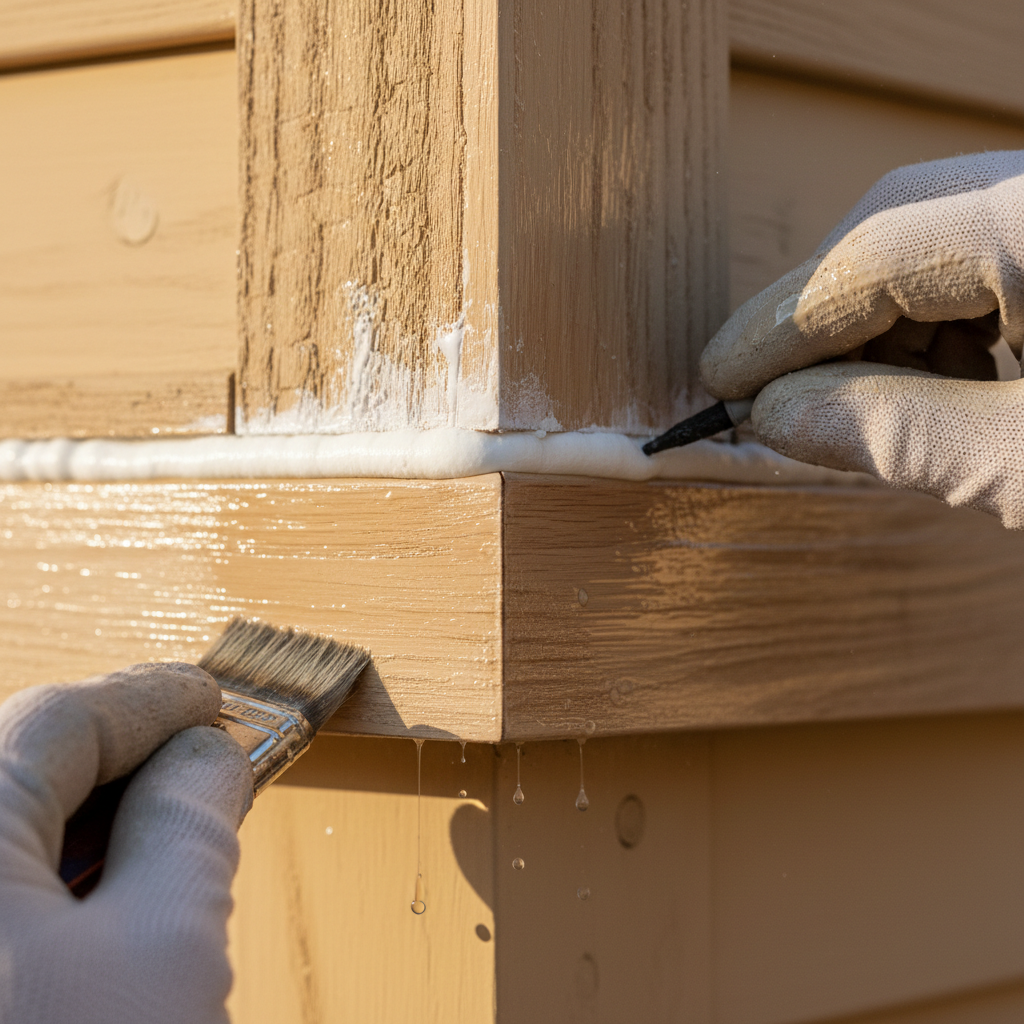
Choosing the best siding for Utah climate is only effective if the secondary defense layers are installed with precision. The most expensive material will fail if the house wrap, flashing, and caulking are neglected. A professional grade house wrap provides a critical breathable barrier; it keeps liquid water out while allowing internal moisture vapor to escape. This is particularly vital during the heavy spring snowmelt in Carbon County, when trapped moisture can quickly lead to structural rot if the building envelope is compromised.
We focus on intricate flashing at windows, doors, and rooflines to redirect water away from the building’s framing. Furthermore, our team uses high quality, flexible caulking designed to withstand the rapid expansion and contraction caused by our daily temperature swings. These meticulous steps are central to our commitment to exterior improvement and maintenance. By prioritizing these small but essential details, Keith Exteriors delivers the clear communication and lasting results necessary to extend the building’s life significantly. To ensure your home is fully protected against the elements, contact our team for a siding estimate.
Selecting the right siding for Utah involves balancing protection against intense summer sun and heavy winter snow. Whether you choose fiber cement or durable vinyl, the goal is long-term resilience and peace of mind. If you want expert help navigating these options to find the best fit for your property, we are happy to guide you. You can learn more about our experience and values to see how we help homeowners protect their investments through every extreme season.