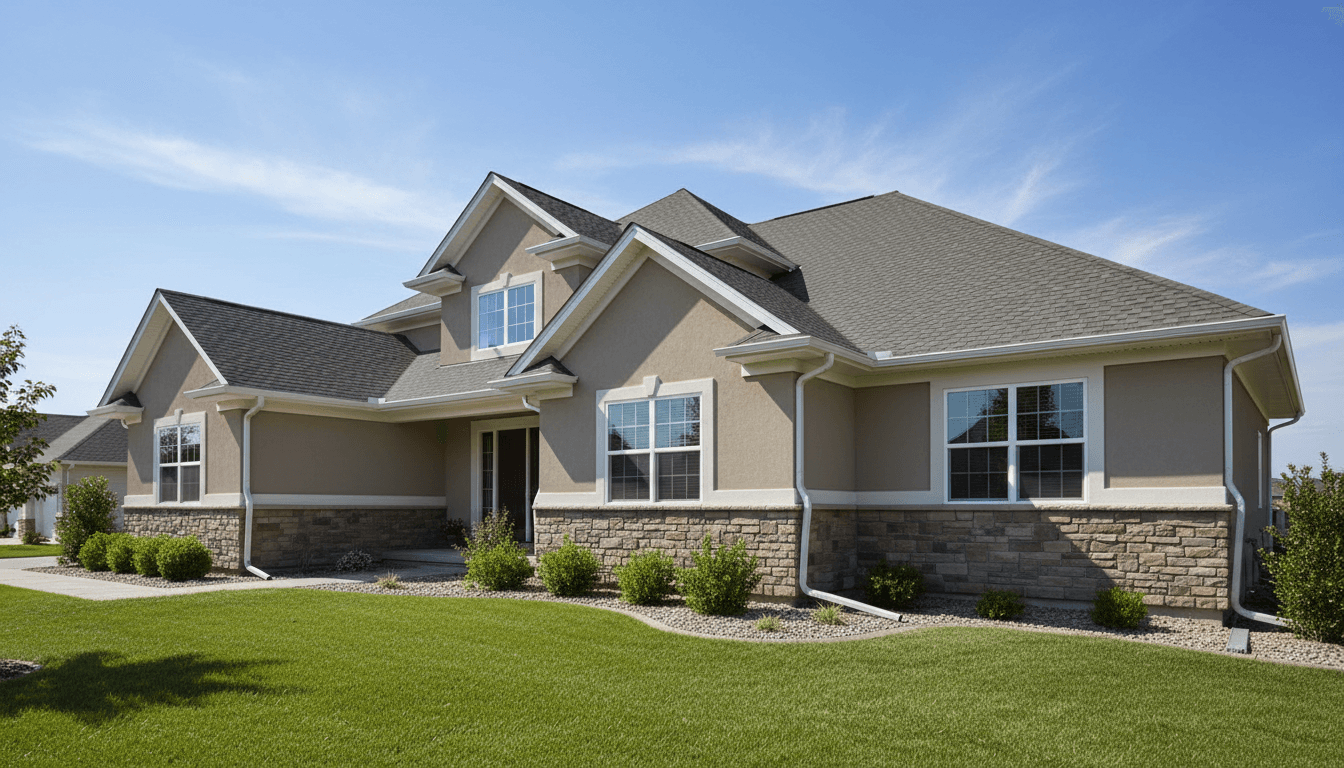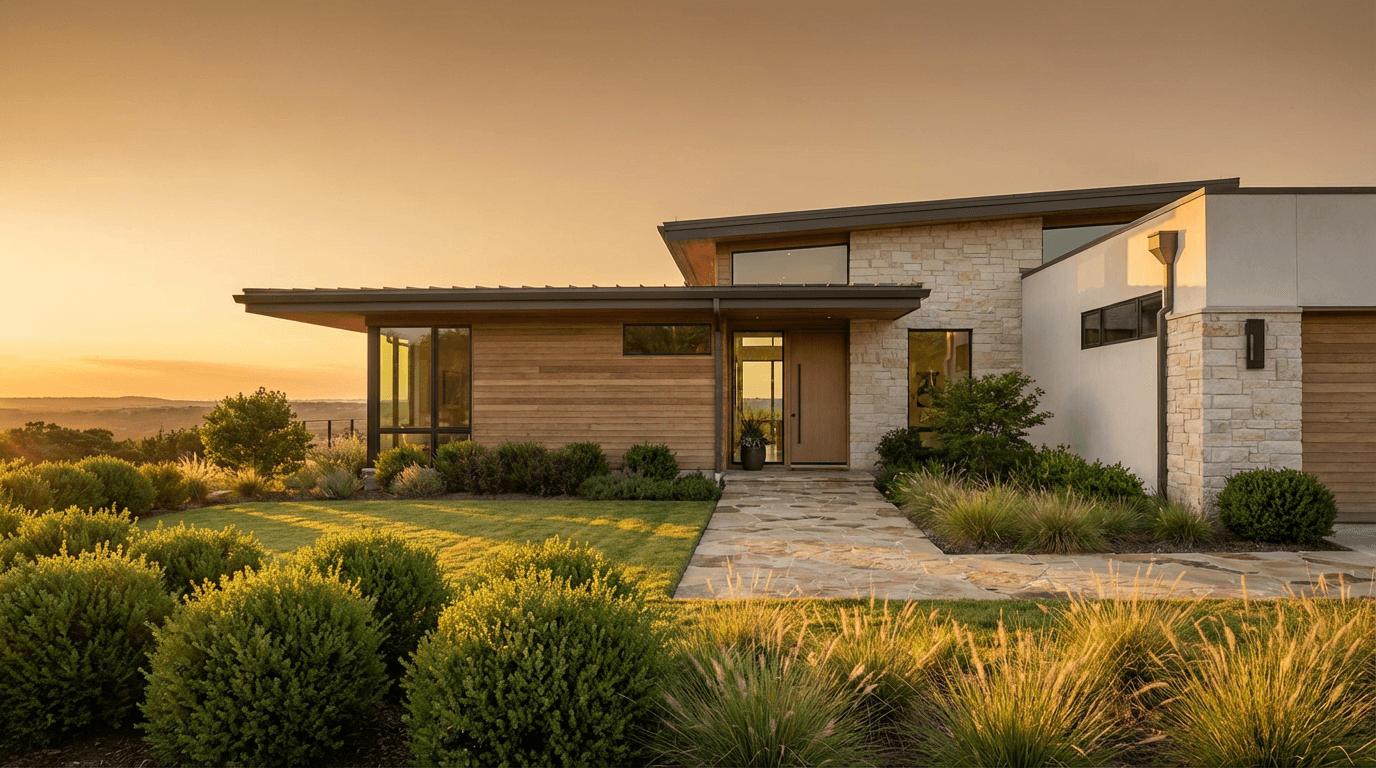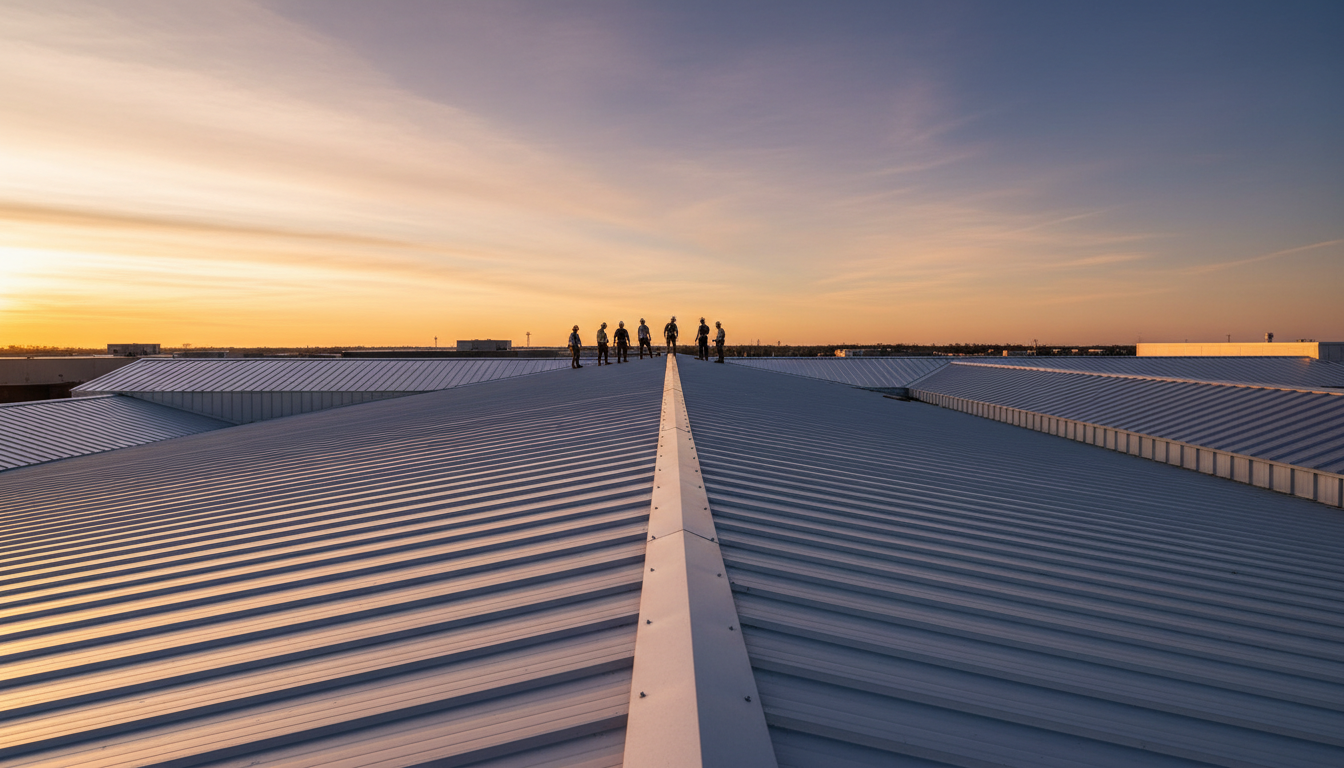
Deciding between roof repair vs replacement depends on the age of the structure and the extent of the damage. Homeowners should choose repair for localized issues on roofs under 15 years old; however, a full replacement is necessary if leaks are widespread or the materials have reached the end of their functional lifespan.
Discovering a water stain on your ceiling or finding loose shingles in your yard after a Carbon County windstorm triggers an immediate sense of financial dread. The central question for every homeowner becomes whether a targeted patch will suffice or if the structure requires a total overhaul. Making the wrong choice can lead to recurring leaks that damage your home's interior; conversely, a premature replacement represents a significant and unnecessary capital expense. This guide provides a professional framework for evaluating your roof's condition. We will detail the signs that point to simple repairs, explain the industry standard twenty five percent rule, and analyze how our unique Utah climate dictates the lifespan of your materials. You will also gain insights into 2026 cost projections and how integrated systems like gutters and siding influence your decision, ensuring you make an informed investment for your property.
The Core Decision: When to Patch and When to Pull the Trigger
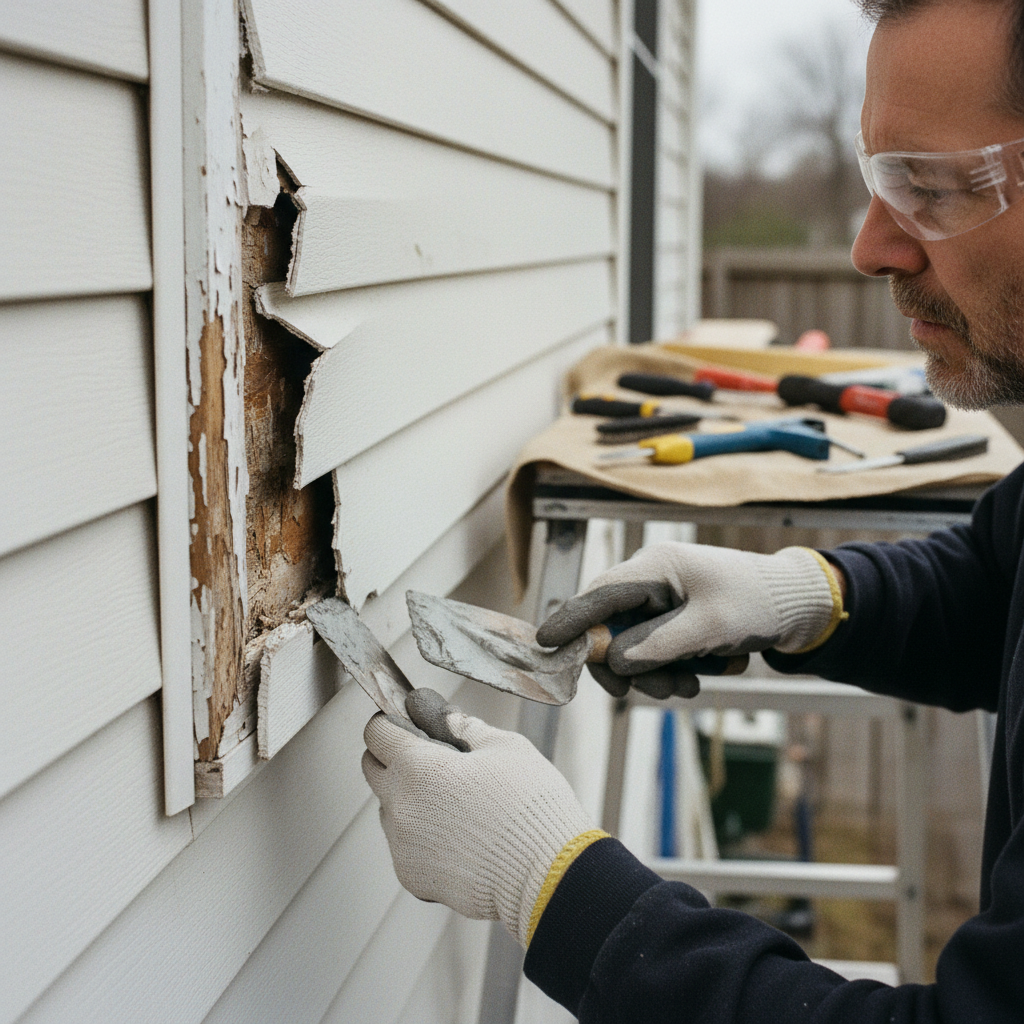
Homeowners in Carbon County, specifically in towns like Price and Helper, often face a difficult choice when they notice shingle damage or water spots. The debate between roof repair vs replacement is not just a financial calculation; it is a strategic decision about protecting the long-term integrity of your property. A quick patch might address an immediate drip, but it does not stop the clock on an aging material system that is nearing its structural limit.
Making the right call requires distinguishing between cosmetic issues, like minor surface scuffs, and structural compromises such as deck rot or widespread shingle failure. In Carbon County, our environment dictates a tighter timeline than other regions. High-altitude UV rays aggressively degrade asphalt binders, while heavy winter snow loads put immense pressure on the roof deck and supporting rafters.
Utah’s extreme temperature swings cause materials to expand and contract rapidly, which can lead to brittle shingles that no longer seal correctly. At Keith Exteriors, we emphasize reliable exterior improvement and maintenance that accounts for these local stressors. Understanding how the high desert climate impacts your roof helps determine if a targeted fix is a wise investment or a temporary band-aid on a failing structure.
Signs Your Roof Needs a Targeted Repair
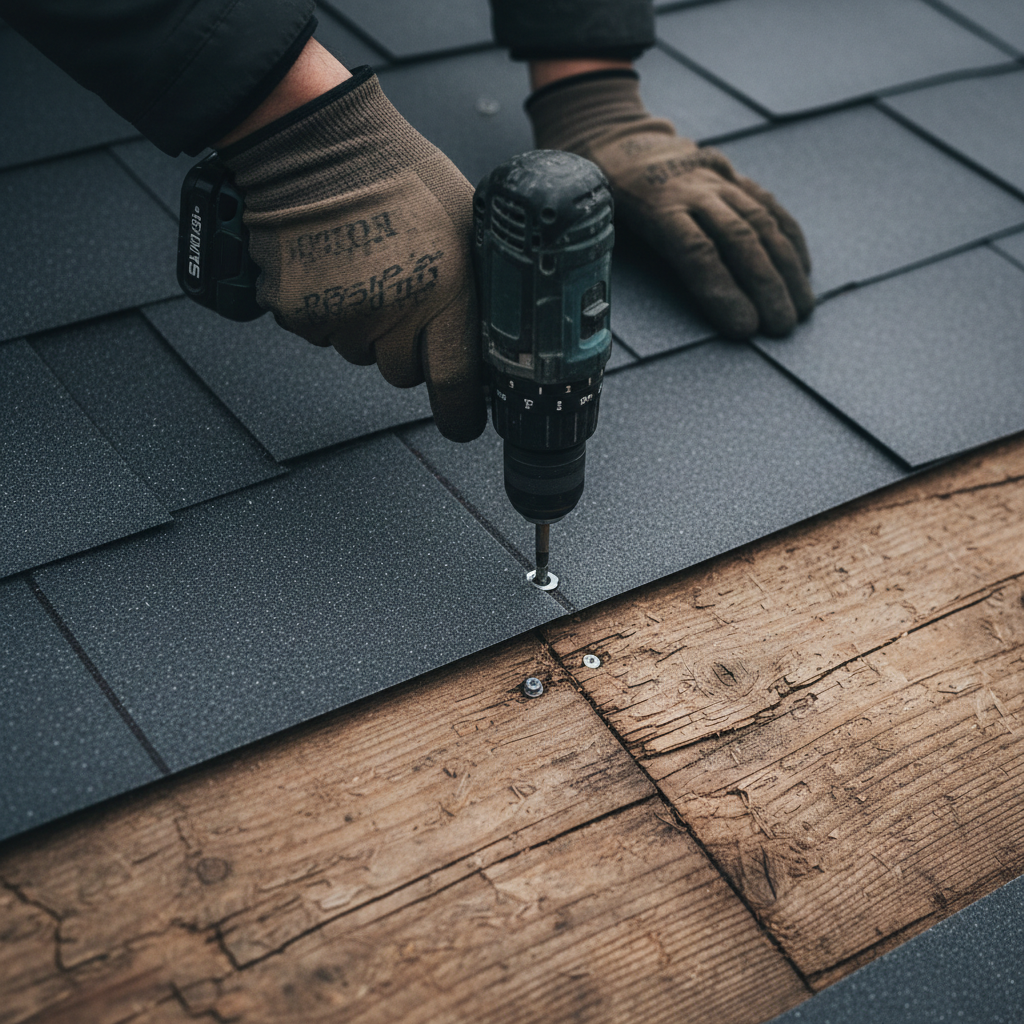
Identifying an isolated problem is the first step toward a cost-effective solution. If your asphalt shingle roof is less than 15 years old, a repair is often the most logical course of action because the underlying materials still possess their original flexibility and adhesive strength. A targeted repair addresses specific points of failure without necessitating a full tear-off. Common scenarios include a few missing shingles following a single high-wind event or a small leak appearing around a chimney, skylight, or vent pipe. These issues usually stem from localized flashing failure or seal degradation rather than a systematic breakdown of the roofing material.
When evaluating the scope of the project, look for damage that is confined to a single slope or a specific architectural feature. If the compromised section accounts for less than 25 percent of the total surface area, performing a repair can effectively extend the life of the system by several years. Determining the best path for roof repair vs replacement often comes down to this concentration of damage. We often see isolated issues where shingles have lifted but the surrounding field remains intact and firmly bonded.
Addressing these small gaps promptly prevents water from infiltrating the roof deck and causing structural rot. For homeowners who are uncertain about the extent of the damage, you can contact Keith Exteriors for a professional assessment. Our team specializes in reliable exterior improvement and maintenance that solves the immediate problem while preserving the rest of your investment.
Signs That a Full Roof Replacement Is Unavoidable
When a roof reaches the end of its functional life, continuing to patch individual spots becomes a poor use of resources. At this stage, the dilemma of roof repair vs replacement shifts because you are no longer fixing a problem; you are merely delaying the inevitable while risking interior damage. Widespread granule loss is often the first indicator of systemic failure. If you find significant amounts of what looks like coarse sand in your gutters, the asphalt shingles have lost their primary UV protection. Without these granules, the underlying asphalt becomes brittle and cracks rapidly under the intense Carbon County sun.
Physical deformation of the shingles across multiple slopes is another red flag. If shingles are curling at the edges or cupping in the center, the material has reached a state of permanent deformation. Once shingles lose their flat profile, they can no longer shed water effectively and become highly susceptible to being stripped away by the high winds common in the Price area. More severe indicators include visible sagging along the ridgeline or in the valleys. A sagging roof deck usually signals long term moisture infiltration that has compromised the structural integrity of the plywood or OSB underneath. If you can see daylight through the rafters while standing in your attic, the weather barrier is fully breached.
A critical technical factor in this decision is the existing layer count. If your home already has two layers of shingles installed, performing a localized repair is often impossible. Adding more material creates excessive weight for the rafters and prevents new shingles from bonding correctly to a flat surface. In these cases, a full tear off is the only way to ensure a stable foundation for reliable exterior improvement and maintenance. If you suspect your roof has reached this tipping point, you should contact Keith Exteriors for a structural evaluation to ensure your home remains protected against the elements.
Understanding the 25 Percent Rule in Roofing
Beyond physical damage, regulatory standards often dictate the path for roof repair vs replacement. Many Carbon County residents are unaware of the 25 Percent Rule found in modern building codes. If damage affects more than 25 percent of the total roof area, or if repairs exceeding this amount are conducted within a 12 month period, local regulations typically require a full roof replacement. This mandate ensures the entire system complies with current safety and energy efficiency standards rather than just patching an outdated surface.
This rule exists primarily to prevent the creation of Frankenstein roofs. When you mix large sections of new materials with aged, brittle shingles, the structural integrity becomes inconsistent. Different sections will respond differently to the heavy snow loads in Helper or the high winds in Price. A uniform roof surface allows for proper thermal expansion and provides a consistent barrier against moisture across all slopes.
By requiring a full replacement when damage is extensive, the code protects the homeowner from a system where one half is resilient and the other half is nearing failure. At Keith Exteriors, we help property owners navigate these code requirements to ensure reliable exterior improvement and maintenance that meets all legal and safety benchmarks. If you are unsure if your recent storm damage crosses this threshold, you should contact Keith Exteriors for a professional measurement and assessment.
How Carbon County Climate Accelerates Roof Aging
Carbon County’s geography plays a dominant role in the roof repair vs replacement timeline. In the high desert, our elevation means the atmosphere provides less protection from ultraviolet radiation. In Price and surrounding areas, shingles endure a relentless bombardment of UV rays that is far more intense than at sea level. This radiation accelerates the evaporation of volatile oils within the asphalt, causing the material to lose its flexibility. Once shingles become brittle, they crack during minor structural shifts or thermal expansion, leading to premature failure even on roofs that are chronologically young.
The freeze-thaw cycle represents a second, more mechanical threat to local properties. In Wellington and Helper, winter days often provide enough sun to melt snow on a roof, but temperatures drop rapidly after sunset. This cycle creates ice dams, where liquid water flows toward the cooler eaves and refreezes into a solid block of ice. This blockage forces subsequent meltwater back up under the shingle laps, bypassing the natural shedding path.
Over time, this hydraulic pressure pulls fasteners loose and saturates the underlying deck. Ensuring reliable exterior improvement and maintenance involves understanding these regional physics. If you have noticed recurring leaks during the spring thaw, you should contact Keith Exteriors to check for ice dam damage before it compromises your home’s interior. Addressing these climate-specific stressors early is the most effective way to protect the longevity of your building envelope.
Roof Replacement Cost in Utah: 2026 Projections
Projecting the financial impact of these climate stressors involves looking at current market trends and anticipated inflation. For homeowners planning their budgets, the roof replacement cost in Utah for 2026 is expected to range from $8,700 to upwards of $25,000. These figures account for rising logistics costs and the persistent material shortages that continue to affect the intermountain west. Because asphalt is a petroleum-based product, its price remains volatile; waiting even one or two years can significantly increase the total investment required for a new system.
Material Type | Estimated Cost Per Square Foot (Installed) | Expected Lifespan in Carbon County |
|---|---|---|
Architectural Asphalt Shingles | $4.50 to $7.00 | 18 to 25 Years |
Standing Seam Metal | $12.00 to $19.00 | 40 to 60 Years |
Ribbed Metal Panels | $8.50 to $13.00 | 30 to 45 Years |
Labor rates in rural regions like Price and Wellington often differ from the Wasatch Front. While some overhead costs are lower, the specialized nature of high-altitude installation and the logistics of transporting materials to Carbon County can influence the final quote. When weighing roof repair vs replacement, remember that a patch today costs significantly less than a full tear-off in a high-inflation environment. Delaying a necessary project until 2026 increases the risk of compound damage to the roof deck, which adds thousands to the final bill.
Acting now secures current pricing and prevents secondary structural issues. For a detailed quote based on your specific pitch and square footage, you should contact Keith Exteriors. We provide reliable exterior improvement and maintenance that helps homeowners lock in value before further market volatility occurs.
The Role of Gutters and Siding in Roof Longevity
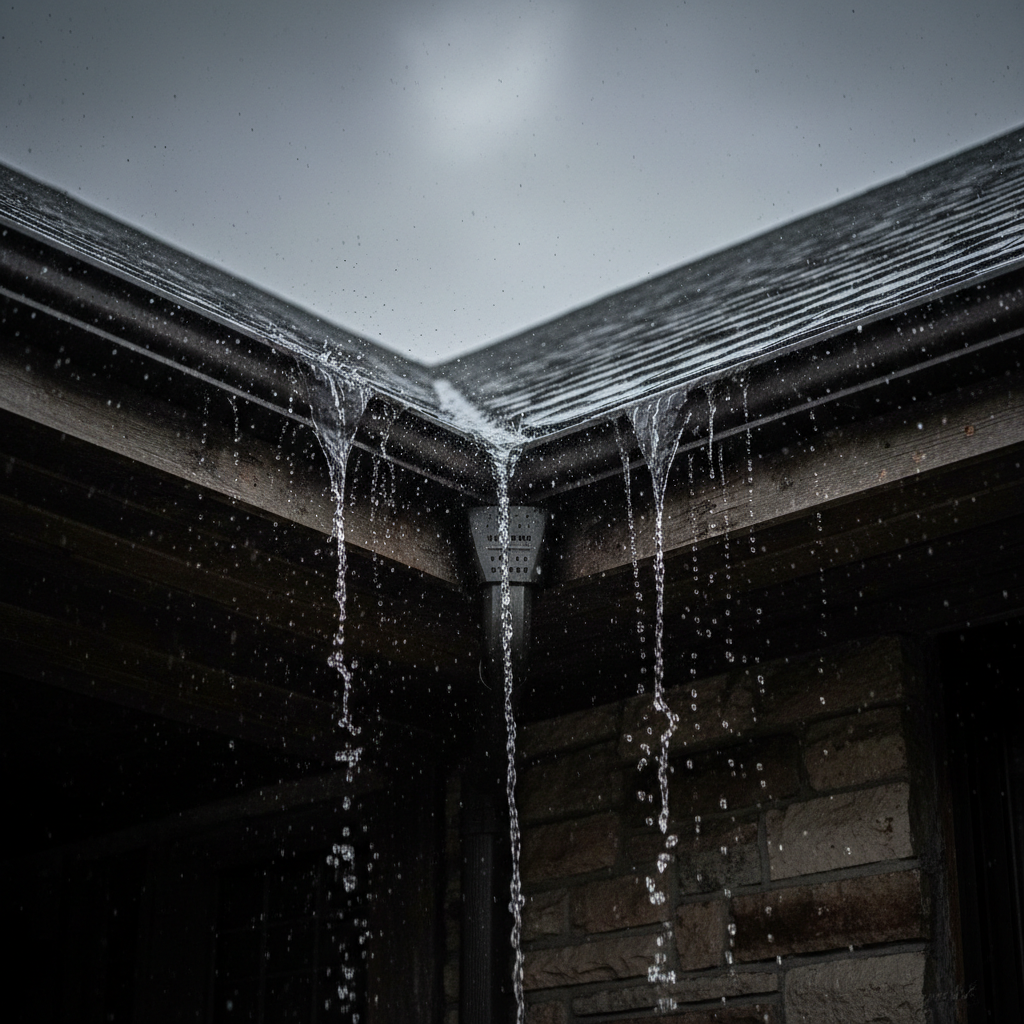
A roof functions as one component of a larger, integrated building envelope. Its long term performance depends heavily on the condition of your gutters and siding. When gutters become clogged or lose their proper pitch, they fail to divert the heavy spring runoff common in Wellington and Price. This failure causes water to back up under the eaves, where it saturates the fascia and eventually rots the edge of the roof deck. In these cases, the dilemma of roof repair vs replacement is often complicated by structural damage caused by poor drainage rather than simple shingle aging.
Siding transitions are another frequent source of phantom leaks. When the flashing at a wall to roof intersection is improperly sealed, moisture bypasses the shingles and enters the wall cavity. Addressing these vulnerabilities requires a holistic approach to reliable exterior improvement and maintenance. Our team evaluates these connection points, as well as exterior door and frame installation, to ensure no gaps exist in your home’s defense. To protect your investment, you should contact Keith Exteriors to evaluate how your entire exterior system is performing before a minor drainage issue turns into a major roofing crisis.
Deciding whether to patch a leak or invest in a new roof is a major choice for any Carbon County homeowner. While minor fixes often suffice for newer structures, extensive wear typically signals that it is time for a full replacement. Balancing cost and longevity requires a careful look at your specific situation. If you want expert help determining the best path forward for your property, our team is here to provide honest guidance. You can learn more about Keith Exteriors and our local roofing expertise to see how we help neighbors protect their homes.