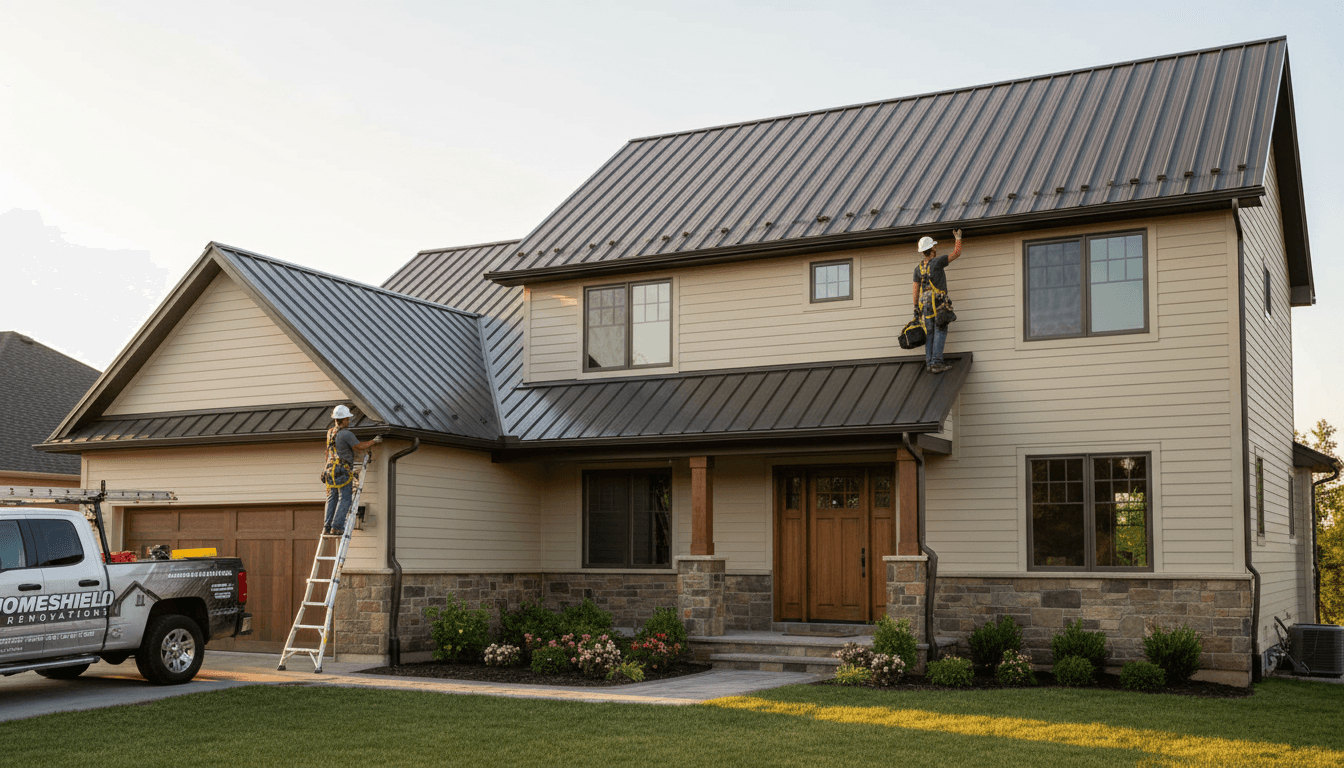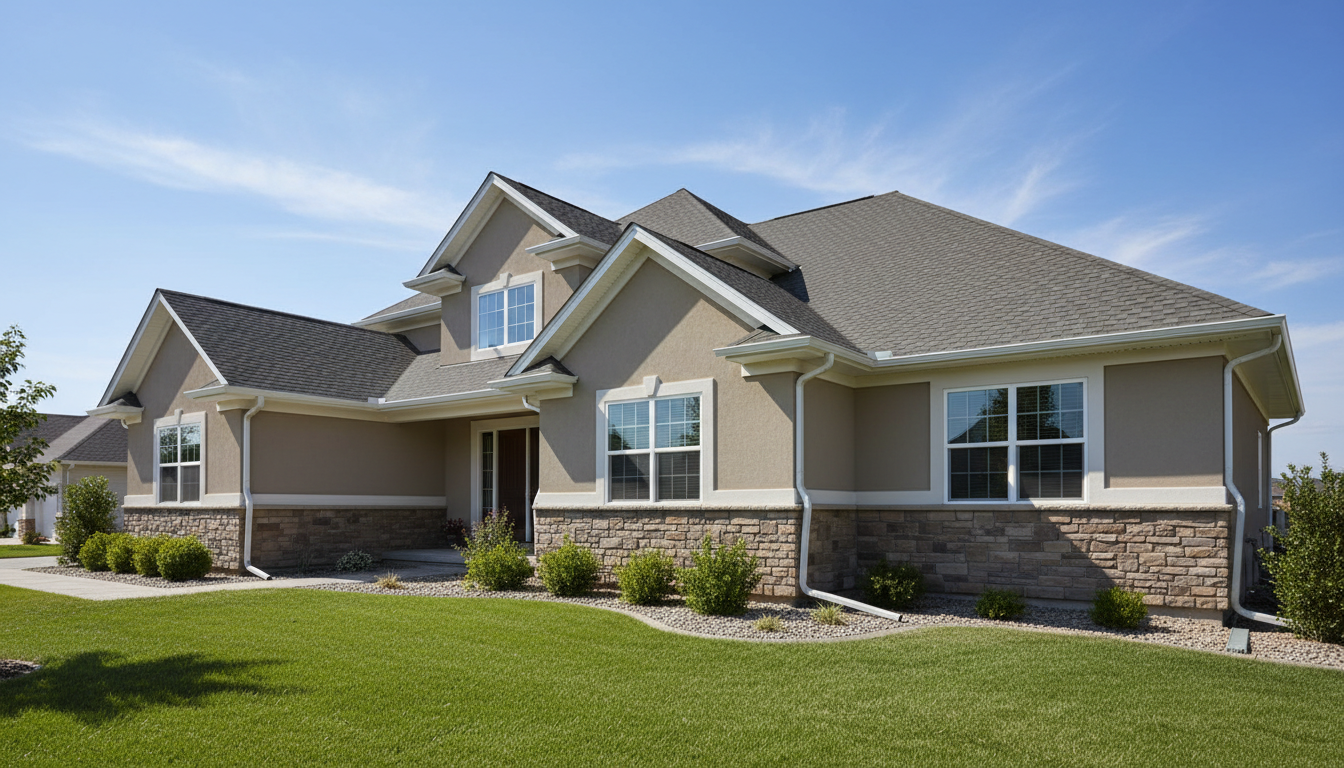
Proper foundation drainage prevents structural damage by using strategic grading and downspout extensions to direct water away from a home's base. Maintaining a five percent slope ensures that hydrostatic pressure does not force moisture into exterior cracks; this practice also stops soil from expanding and shifting the foundation. These drainage solutions are essential for protecting a home from the long term deterioration caused by excessive groundwater.
A damp basement or a widening crack in your foundation is more than a nuisance; it is a direct threat to your home's structural integrity. In Carbon County, where heavy snowmelt and clay rich soils create unique challenges, improper water management can lead to costly interior damage and destabilized footings. Protecting your investment requires more than a simple patch job. It demands a sophisticated understanding of how water moves around your property. This guide explores the science of hydrostatic pressure and explains why the five percent slope rule is your first line of defense. You will learn how to integrate gutters, downspout extensions, and professional drainage systems to keep your foundation dry. From sealing existing cracks to mastering exterior grading, we provide the expert insights necessary to weather proof your home against the elements.
Why Foundation Drainage is Critical in Carbon County, Utah
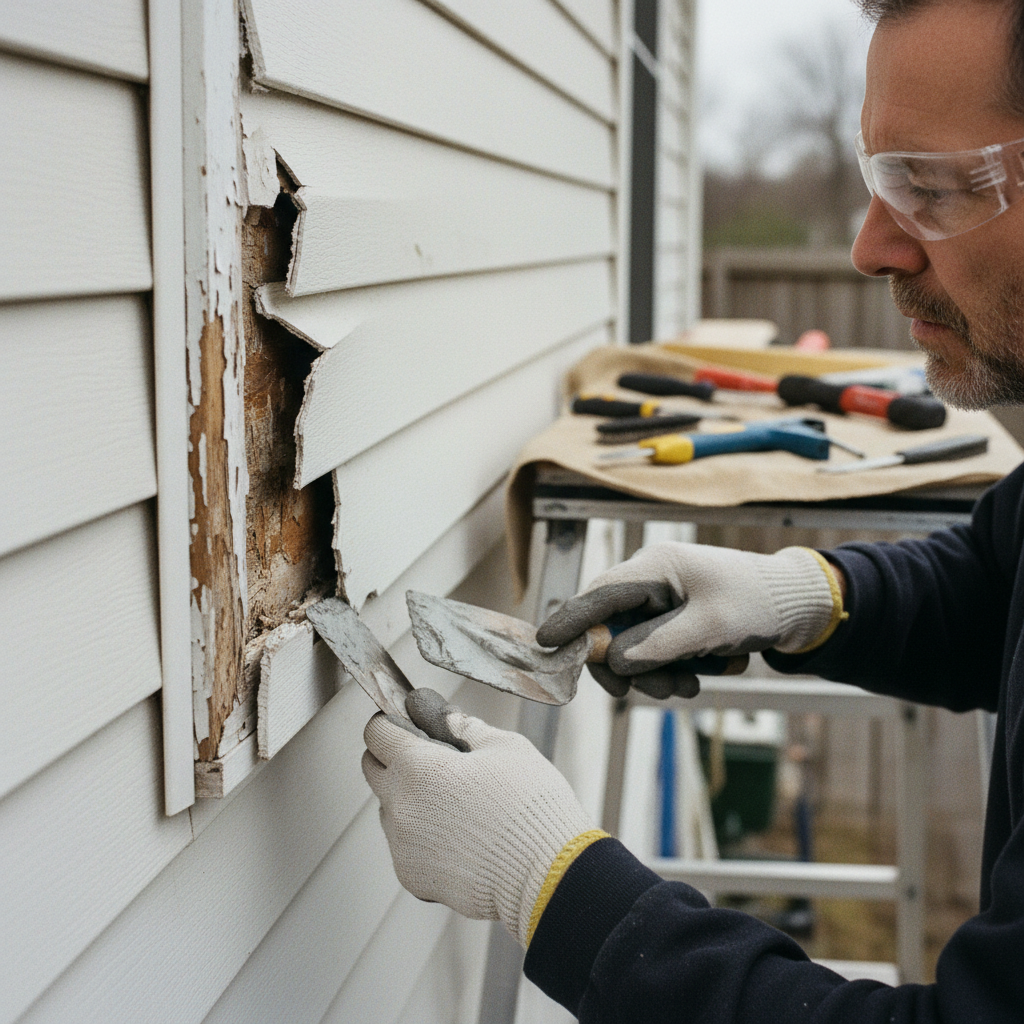
Living in Price, Helper, or Wellington, it is easy to assume that an arid high desert environment protects homes from water damage. However, Carbon County presents unique challenges that make foundation drainage a top priority for any property owner. The reality is that local moisture comes in extremes. Residents deal with heavy winter snowpack that sits against the home for months and intense summer flash floods that dump thousands of gallons of water in a matter of minutes. When this water has nowhere to go, it saturates the ground immediately surrounding your footings.
Eastern Utah is known for its expansive clay soils. These soils act like a sponge; they swell significantly when wet and shrink as they dry out. This constant movement puts immense physical pressure on foundation walls, often leading to shifting or structural cracks. Unlike more temperate regions, the local climate exacerbates this through aggressive freeze-thaw cycles. In the high desert, temperatures can swing 40 degrees in a single day. Water trapped in the soil or against the concrete freezes at night, expands, and widens existing hairline fractures.
Without a plan to redirect this runoff, even a well-built home is at risk. Providing reliable exterior improvement services in this region requires an understanding of how these local factors interact. Effective drainage is not just about moving water; it is about managing soil stability and protecting the structural integrity of the building against the harsh realities of the Utah landscape.
The Science of Hydrostatic Pressure and Soil Expansion
Understanding the physical forces at play helps property owners prioritize foundation drainage. When water pools near a home, it does more than just sit on the surface. Gravity pulls that water deep into the pores of the soil surrounding the footings. As the soil becomes saturated, the weight of the water creates hydrostatic pressure. This is a lateral force that pushes inward against your foundation walls. While concrete is exceptionally strong under vertical loads, it is not designed to withstand constant, heavy pressure from the side.
In Carbon County, this pressure is compounded by the local clay soil. As the clay absorbs moisture, it physically expands, adding a mechanical push to the existing weight of the water. Homeowners frequently ask, "How long does it take for water to damage a foundation?" The answer is that while a single intense flash flood or heavy snowmelt is unlikely to cause an immediate collapse, the damage is cumulative. If moisture is allowed to sit against the wall consistently, you can expect to see fine hairline cracks and moisture seepage within just two to three seasons.
Once moisture penetrates the concrete, it introduces secondary problems that are difficult to remediate. In the tight crawlspaces and basements common in Price and Helper, trapped moisture quickly leads to mold growth, which can impact the indoor air quality of the entire home. Furthermore, as the soil underneath the footings softens and shifts due to saturation, the structure may settle unevenly. This results in sticking doors, cracked interior drywall, and compromised structural integrity. Managing these forces requires reliable exterior improvement services that address the root cause by keeping water far away from the building envelope. Without addressing the source of the pressure, the aggressive freeze-thaw cycles will only accelerate the widening of these structural gaps.
Mastering the Grade: The 5 Percent Slope Rule
To manage the pressure exerted by saturated soil, the most fundamental step is establishing a proper grade. In technical terms, every property should follow the 5 percent slope rule. This requires the ground to drop a minimum of 6 inches over the first 10 feet moving away from the foundation. While this might seem like a steep decline, it is the standard necessary to ensure that gravity pulls runoff away from the building envelope before it has a chance to soak deep into the clay.
Checking your own property grade is a straightforward task that requires only two stakes, a roll of string, and a line level. Drive the first stake into the ground directly against the foundation wall. Drive the second stake 10 feet away. Tie the string to the first stake at ground level, then pull it tight to the second stake. Use the line level to ensure the string is perfectly horizontal. Once level, measure the distance from the string to the ground at the 10 foot mark. If the gap is less than 6 inches, your grade is insufficient and is likely contributing to foundation stress during freeze-thaw cycles.
Many Carbon County homeowners inadvertently create drainage problems through landscaping. Raised flower beds placed directly against the house often act as moats, trapping water against the concrete. Similarly, decorative river rocks or bark can hide a negative slope, where the underlying soil actually dips toward the house even if the top layer looks flat.
The simplest and most cost-effective method for improving foundation drainage is re-grading using existing native soil to fill low spots and create a positive pitch. However, if your yard lacks the necessary space to achieve a 10 foot run due to property lines or utility locations, more complex solutions like retaining walls or swales may be required. For properties with persistent pooling, you can contact Keith Exteriors to evaluate if simple dirt work is enough or if your home needs more reliable exterior improvement services to handle the specific runoff patterns of your lot.
The Role of Gutters and Downspout Extensions
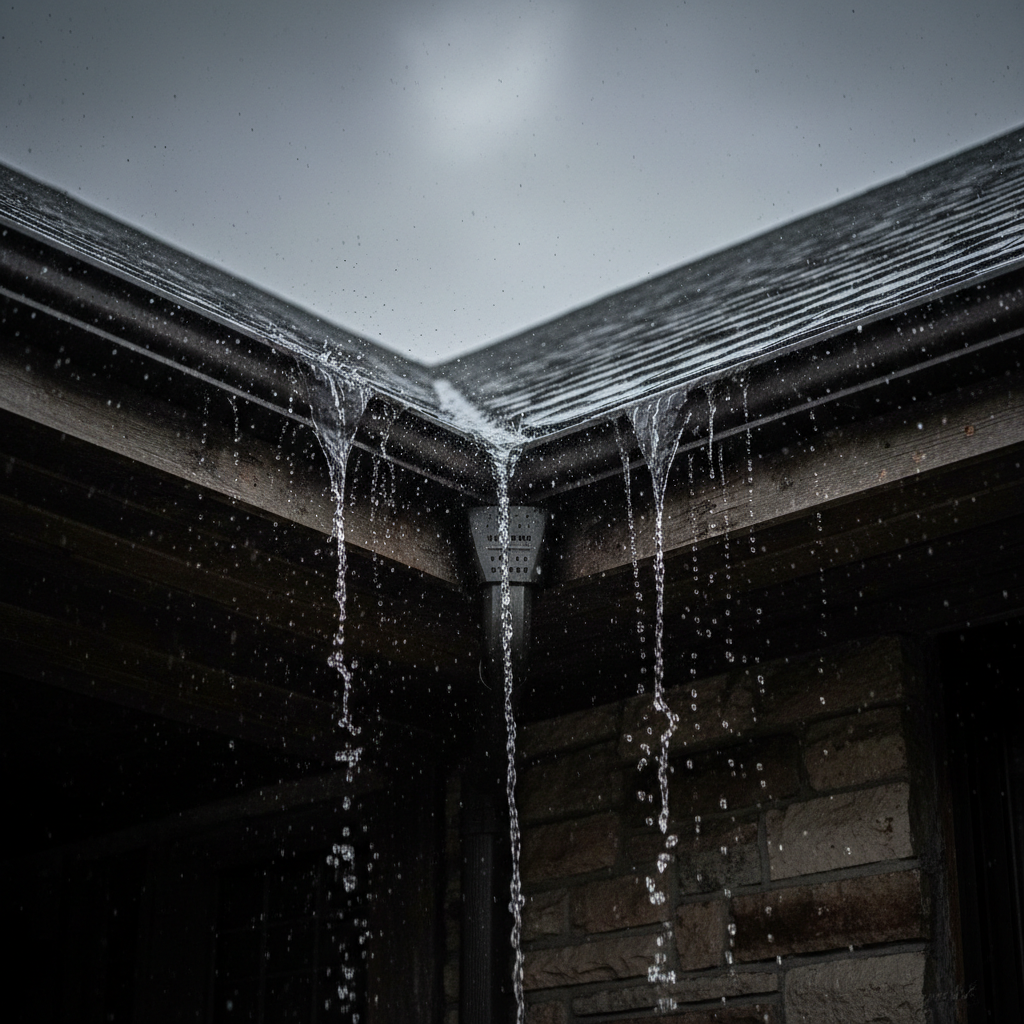
While proper grading handles ground-level runoff, your roof is the primary collector of water during a Carbon County thunderstorm. A standard residential roof can shed over 1,000 gallons of water during a single inch of rainfall. Without a functional gutter system to manage this volume, water pours off the eaves like a waterfall, landing directly on the foundation line and eroding even the most carefully planned slope. The gutter system acts as the first stage of foundation drainage, funneling this massive volume toward downspouts for controlled discharge.
A common concern for local property owners is whether a poorly placed downspout can cause water in the basement or crawlspace. The answer is a definitive yes. When a downspout discharges within 5 feet of your exterior walls, it concentrates thousands of gallons into a small area of soil right next to your concrete. This saturation bypasses the surface grade and puts water exactly where it can do the most damage. To protect your home, downspout extensions should discharge at least 6 to 10 feet away from the foundation. This distance ensures that once the water hits the ground, it is far enough away to follow the natural yard slope rather than seeping into the backfill soil.
For homeowners concerned with aesthetics or safety, buried downspout extensions are an excellent upgrade. These systems use solid PVC or corrugated pipe to carry water underground to a pop-up emitter or a daylight exit point further down the lot. Buried lines eliminate the eyesore of long plastic tubes stretching across the lawn and remove tripping hazards in high-traffic areas like walkways. Integrating these extensions into your reliable exterior improvement services ensures that the high volume of water from Utah storms is managed effectively, further mitigating the risks posed by freeze-thaw cycles.
Exterior Foundation Drainage Installation Options
Effective foundation drainage requires a clear distinction between managing surface runoff and controlling subsurface groundwater. While grading and downspouts handle the water you can see, certain properties in Carbon County require more robust intervention to prevent structural damage. This is especially true for homes built at the base of the cliffs or those positioned on the lower end of a sloping street in Helper or Price.
A surface swale is one of the most practical professional options for homes receiving runoff from neighboring lots. A swale is a wide, shallow, engineered channel lined with grass or decorative rock. It acts as a natural highway, directing heavy volumes of water around the house during a flash flood rather than letting it pool against the siding.
For homes struggling with consistently damp crawlspaces or high water tables, a French drain is often the necessary solution. This system addresses groundwater by using a gravel-filled trench and a perforated pipe buried near the foundation. As water rises in the soil, it enters the pipe through the gravel and is carried away before it can exert hydrostatic pressure.
System Type | Primary Function | Ideal Application |
|---|---|---|
Surface Swale | Redirects overland runoff | Sloped yards; heavy storm management |
French Drain | Lowers subsurface moisture | Wet crawlspaces; clay soil saturation |
Catch Basins | Collects water at a low point | Patios; driveways; localized pooling |
Installing these systems requires precision to ensure the water actually exits the property at a legal and functional daylight point. If your property holds water long after a storm, you may need reliable exterior improvement services to install a dedicated system. Addressing these issues now prevents the water from expanding within the soil during the winter freeze-thaw cycles. For a professional evaluation of your lot’s hydrology, you can contact Keith Exteriors to determine the best path forward.
Weather-Proofing and Sealing Foundation Cracks
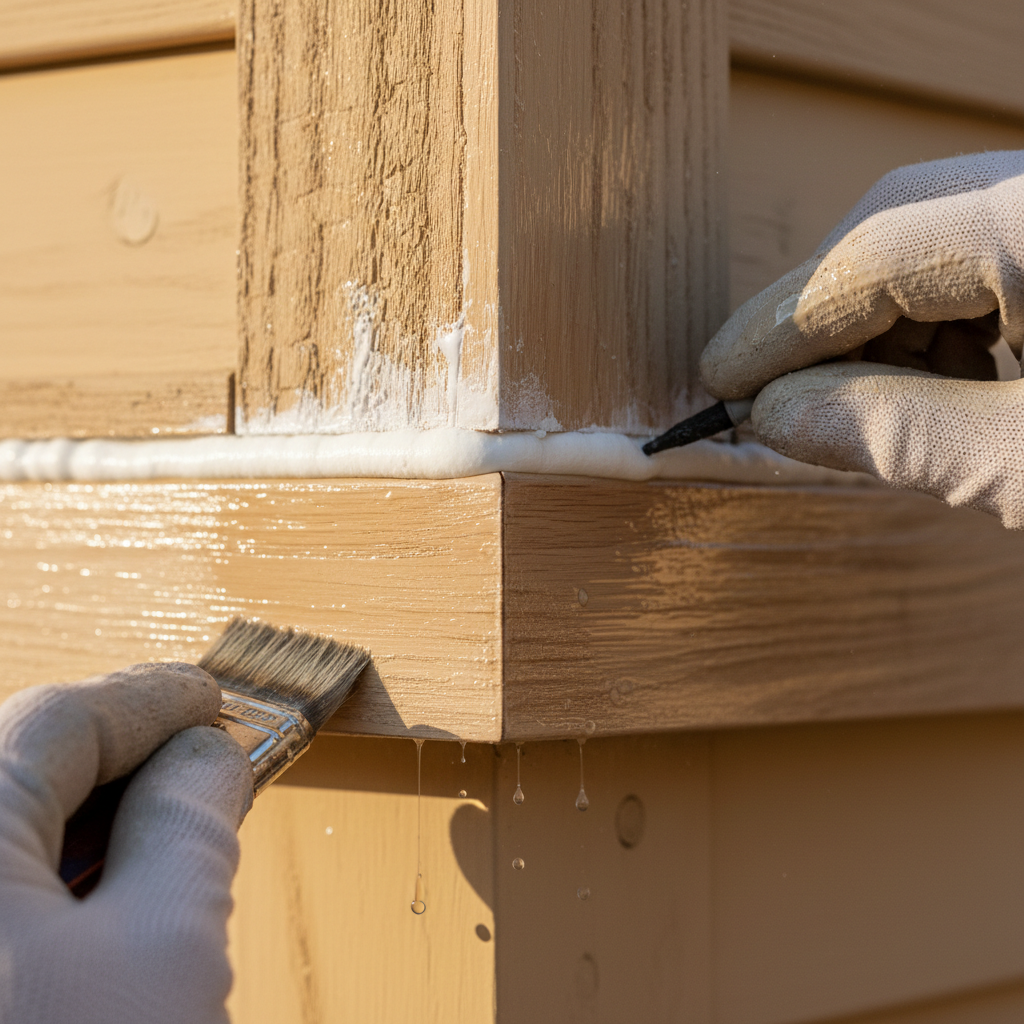
While active foundation drainage systems manage the bulk of water movement, sealing represents the critical second line of defense. Concrete is a naturally porous material that develops hairline fractures over time due to the shifting clay soils in Price and Wellington. Weather-proofing the exterior foundation line involves applying specialized sealants that act as a moisture barrier, ensuring that any residual water that reaches the wall cannot penetrate the building envelope.
In the high desert, the choice of material is vital. Standard hardware store caulking often fails because it cannot handle the 100-degree temperature fluctuations common in Eastern Utah. Professional applications utilize high-quality polyurethane or elastomeric sealants designed to remain flexible. These materials expand and contract with the concrete, maintaining a water-tight seal even during the most aggressive freeze-thaw cycles.
Integrating these specialized sealants with reliable exterior improvement services provides a comprehensive solution for property longevity. By closing off these entry points, you prevent moisture from reaching the rebar and internal structure, which stops minor settling from turning into a major repair. If you identify new fractures or damp spots along your foundation, you can contact Keith Exteriors to evaluate the integrity of your exterior seal.