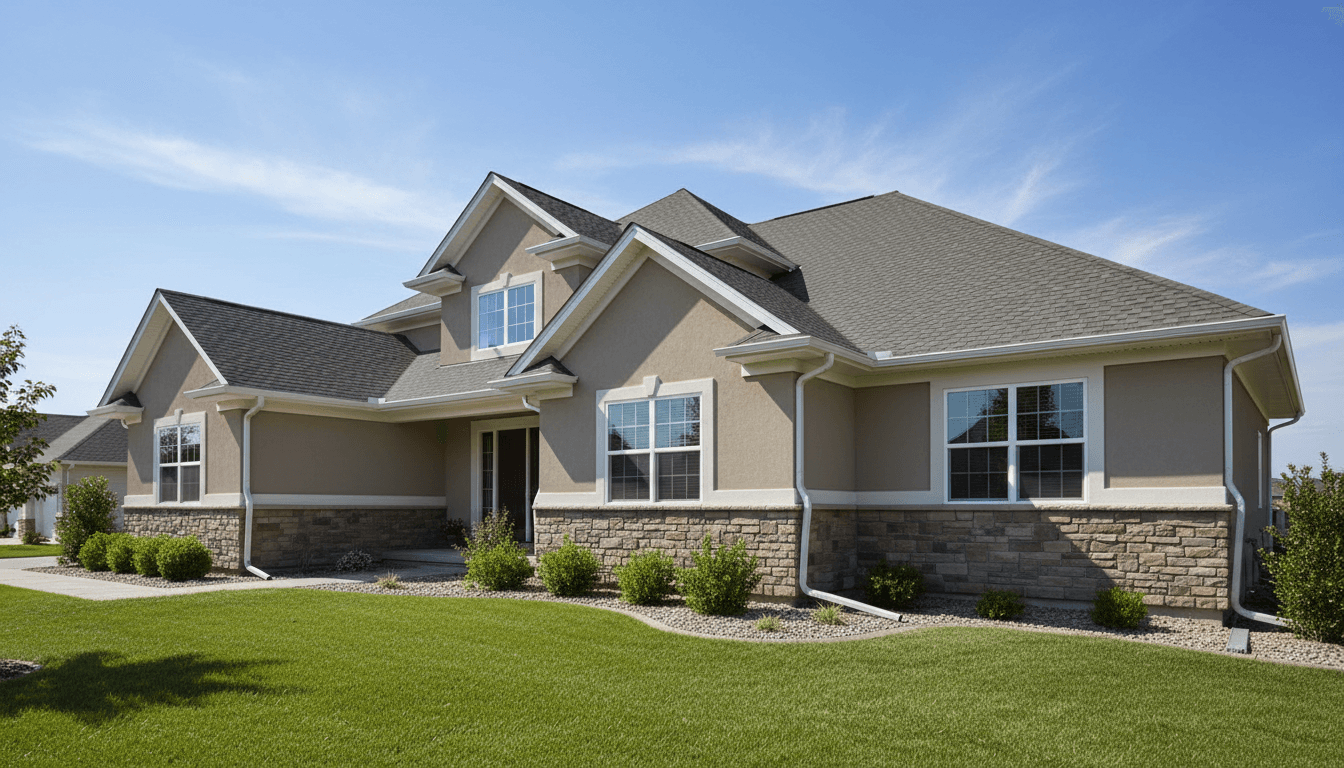
You can winterize home exterior surfaces by cleaning gutters, inspecting the roof for leaks, and sealing air gaps around windows and doors. Homeowners should also disconnect garden hoses, drain outdoor faucets, and repair any damaged siding to prevent moisture from freezing inside the walls. These proactive steps safeguard the structure against harsh winter weather while improving overall energy efficiency.
As the first frost settles over Carbon County, the shift from crisp autumn air to punishing winter storms happens quickly. For many homeowners, this transition brings the looming threat of ice dams, frozen pipes, and compromised siding that can lead to costly structural damage. Your home is a significant investment; its exterior serves as the primary shield against the elements. Neglecting small vulnerabilities now often results in emergency repairs during the peak of a blizzard. In this guide, Keith Exteriors provides a professional framework for securing your property before the snow accumulates. You will learn how to audit your roofing, seal the building envelope, and protect vulnerable plumbing. By following these seven essential maintenance steps, you can ensure your home remains efficient and protected throughout the harshest months of the year.
Why Carbon County Homeowners Must Winterize Their Home Exterior Early
In Carbon County, the transition from summer to winter happens quickly, often catching homeowners off guard. Our high desert elevation creates a unique set of challenges that generic national maintenance checklists fail to address. While lower elevations might enjoy mild autumn weather well into November, our first frost frequently arrives weeks earlier. This compressed timeline means you must winterize home exterior components before the ground freezes and temperatures plummet.
The intense UV rays of our Utah summers weaken siding and roofing materials, leaving them vulnerable to the rapid freeze-thaw cycles characteristic of our region. When moisture enters small cracks during a sunny afternoon and freezes as the sun sets, the resulting expansion can cause significant structural damage. For local households and small businesses, staying ahead of these issues is a matter of financial pragmatism. Proactive maintenance protects your property value and ensures that modest monthly budgets are not drained by the high costs of emergency mid-winter repairs. By investing in reliable exterior improvement services now, you prevent small vulnerabilities from becoming catastrophic failures during a heavy snow load. Taking action early is the most effective way to ensure your building remains weather-resistant throughout the harsh alpine winter.
1. Clear and Secure the Gutter System to Prevent Ice Dams
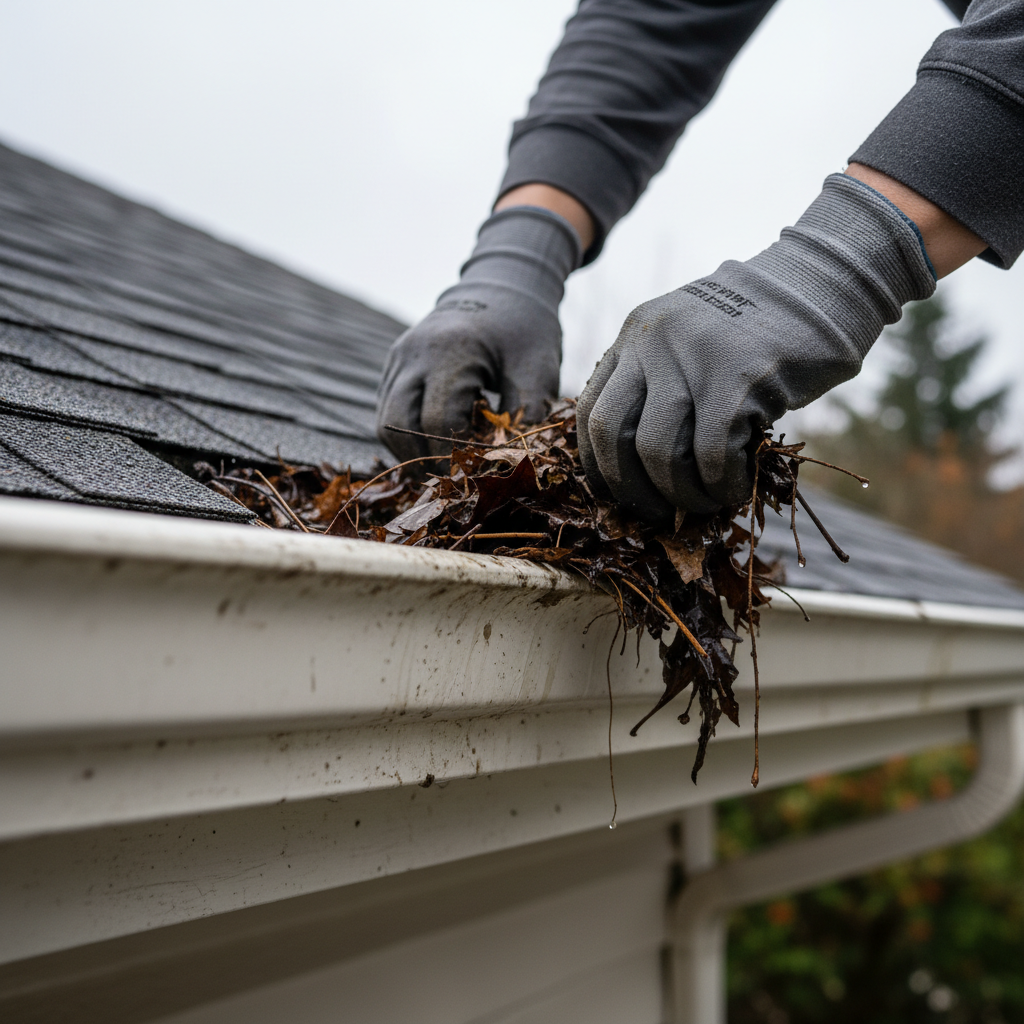
Cleaning your gutters is the most critical first step to winterize your home exterior effectively. In our region, gutters that are clogged with pine needles, leaves, or silt cannot drain snowmelt properly. This leads to standing water that freezes solid during our cold October and November nights. The resulting ice dams are a significant threat; they force moisture upward under your shingles and behind your siding, causing rot and structural decay that is often hidden from view.
Begin by removing all organic material and flushing the system with water to ensure there are no blockages. While essential gutter maintenance is a year round task, winter preparation requires a closer look at structural integrity. Check for loose or sagging brackets. The weight of heavy snow and ice in Carbon County puts immense strain on these fasteners, and a loose bracket can lead to the entire trough pulling away from the fascia.
Finally, inspect your downspouts. Ensure they are clear of obstructions and that extensions direct water at least three feet away from your foundation. This prevents the freeze-thaw cycle from cracking your concrete or causing basement seepage during the spring melt. If you notice persistent drainage issues or damaged hardware, you can request a weatherproofing consultation to ensure your system is ready for the first heavy snowfall.
2. Inspect Siding for Cracks and UV Damage
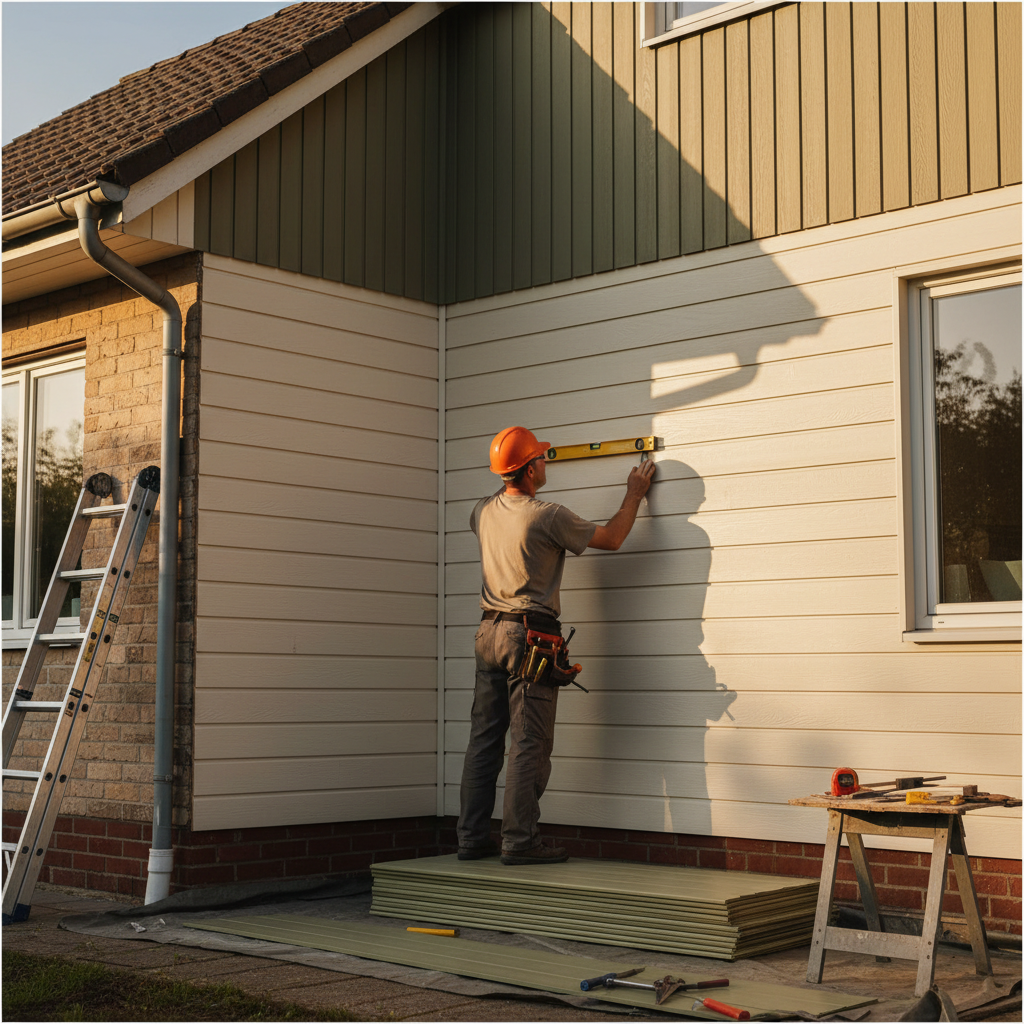
Once your drainage is secure, turn your attention to the building envelope. The intense UV exposure common in Carbon County summers takes a significant toll on siding materials. Over time, high desert sunlight breaks down the chemical bonds in vinyl or dries out the oils in wood, making these surfaces brittle. When our sharp autumn temperature swings arrive, the material contracts; if it has been weakened by UV damage, it is far more likely to crack, buckle, or shatter.
Walk the perimeter of your property during the brightest part of the day to spot imperfections. Look for warped panels, loose seams, or small gaps where the siding meets the trim. These openings are not just aesthetic issues; they are invitations for pests seeking warmth as the nights get colder. More importantly, these gaps allow moisture from heavy snow melts to seep behind the panels. Once water reaches the OSB or plywood sheathing, it often remains trapped, leading to hidden rot and mold that can compromise your building's structural integrity.
Addressing these vulnerabilities now is a practical way to winterize home exterior surfaces before the first blizzard. If you discover widespread warping or brittle sections that shatter easily under light pressure, you may need reliable exterior improvement services to replace damaged segments before winter moisture causes permanent, costly damage.
3. Seal the Envelope: Weatherstripping and Caulking Windows and Doors
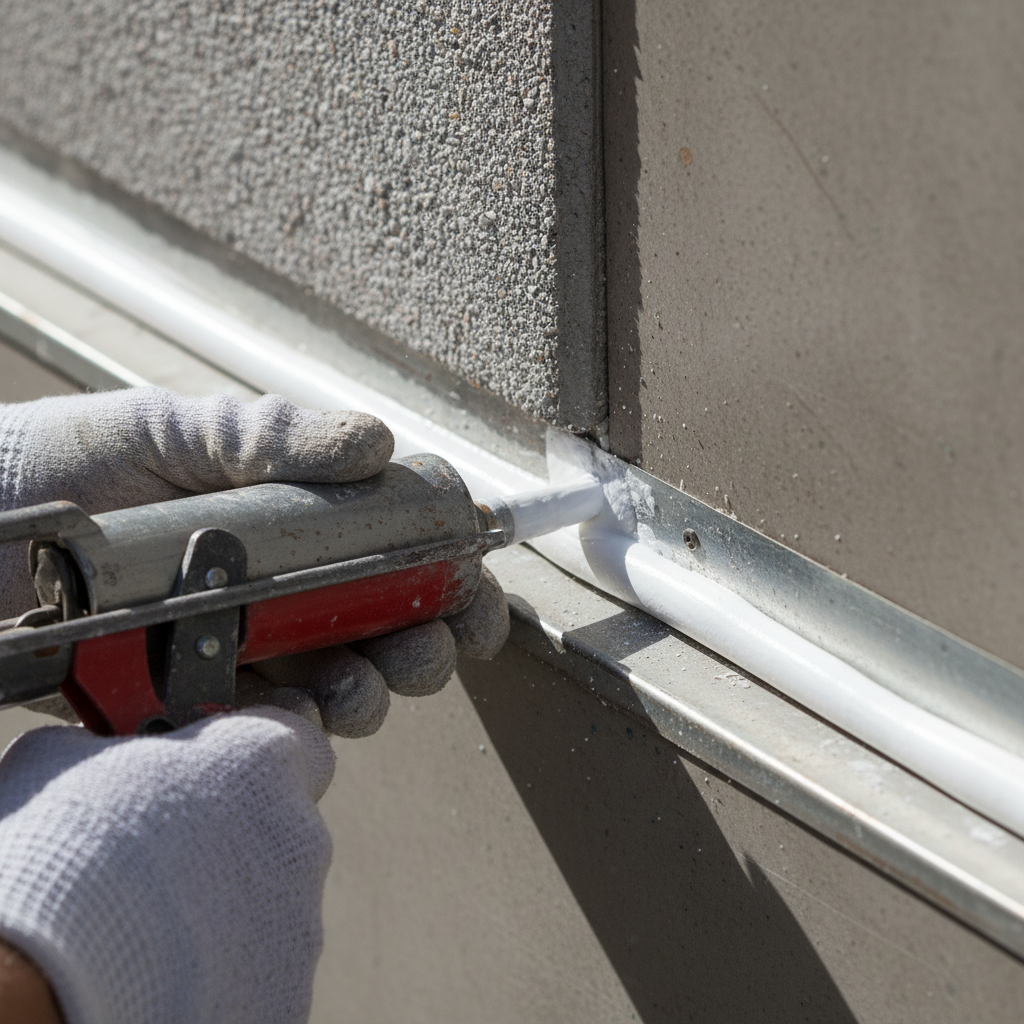
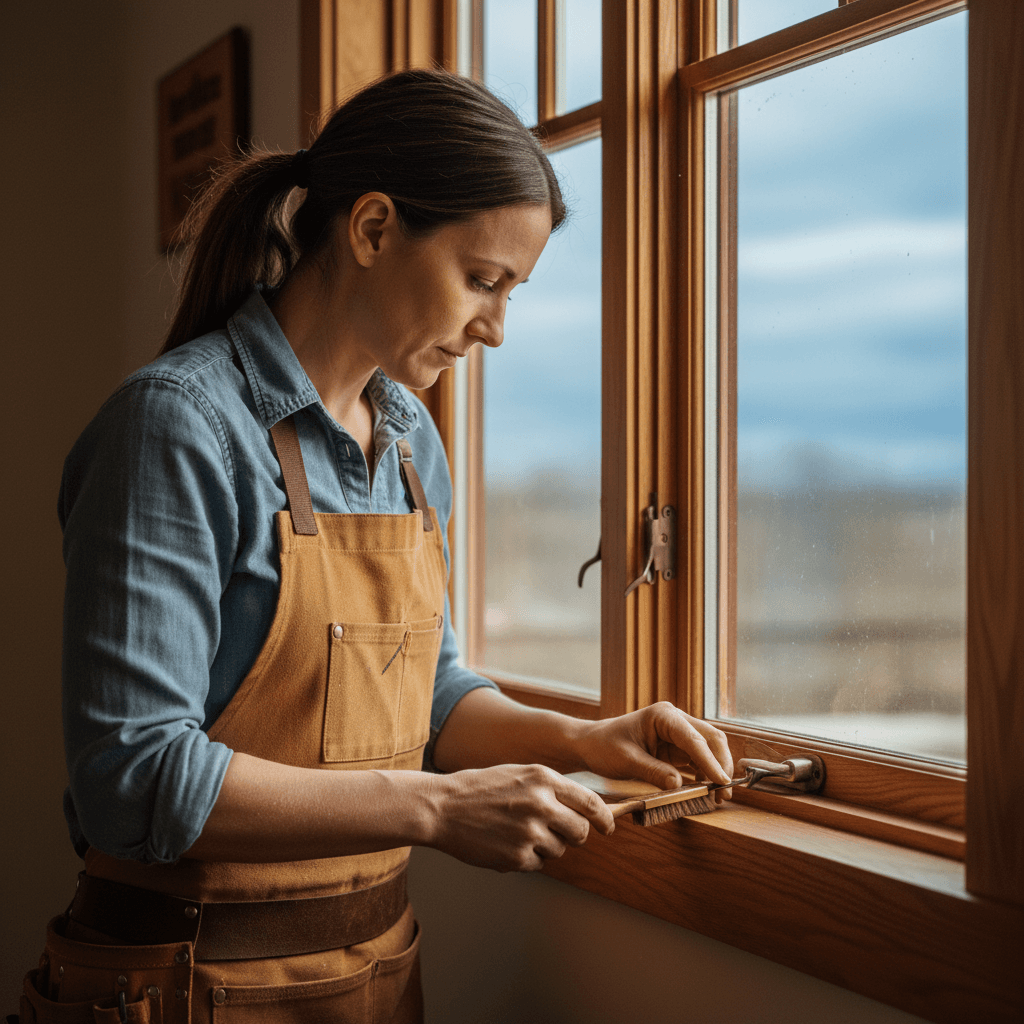
After securing the siding, the next step to winterize your home exterior involves sealing the building envelope. In Carbon County, where winter winds often howl through the canyons, even a tiny gap around a window or door can significantly spike your heating costs. You can pinpoint these hidden air leaks using a simple incense stick; move it slowly along the interior edges of windows and doors, watching for the smoke to waver or blow inward. For larger gaps, a flashlight test at night is effective. Have one person stand outside while another shines a bright light along the door frame from the inside; any visible light indicates a major heat loss point.
Addressing these leaks requires specific materials based on the location. Foam tape is excellent for irregular gaps and is easy to apply. V-strips, or tension seals, are more durable for the sides of windows or doors that slide or swing. For the bottom of exterior doors, a heavy-duty door sweep is essential to block cold air from rushing across the floor.
Material Type | Best Use Case | Durability |
|---|---|---|
Foam Tape | Irregular gaps in window stops | Low to Moderate |
V-Strip (Tension) | Sides of sliding windows and doors | High |
Door Sweep | Bottom of exterior entry doors | Very High |
Silicone Caulk | Stationary joints between frame and siding | Excellent |
Beyond moveable parts, inspect the perimeter where the window frame meets the siding. Applying a bead of high-quality exterior grade caulk here provides a high ROI by preventing cold air infiltration and blocking moisture from entering the wall cavity. Performing this task correctly is essential for reliable exterior improvement services that aim to maximize energy efficiency. This simple maintenance task is a practical way to lower winter heating bills and protect your structural materials from the inside out.
4. Roof Inspection: Checking for Vulnerable Shingles
With the building envelope sealed, the next priority is the structure's primary defense against the elements. A critical part of the plan to winterize home exterior components involves a thorough roof assessment. You can perform a safe, effective inspection from the ground using a pair of binoculars to scan each roof plane. Look specifically for shingles that are curled, cracked, or entirely missing. Pay close attention to balding shingles, which are areas where the protective mineral granules have worn away, leaving the underlying asphalt exposed to the sun and moisture.
Identifying these vulnerabilities is vital because Carbon County faces significant snow loads that place immense pressure on your roof. An alpine winter will aggressively exploit any existing weakness. When heavy snow sits on a compromised shingle, the melt water seeps into the structure and freezes, expanding the damage and compromising the decking. If your visual inspection reveals signs of wear, you should request a weatherproofing consultation to address these issues before the weight of winter precipitation leads to a costly structural failure.
5. Protect Outdoor Plumbing and Faucets
While roofing and siding protect you from above and the sides, your plumbing remains vulnerable from within the walls. To properly winterize home exterior features, you must address outdoor faucets before the first sustained freeze hits Carbon County. Water expands by approximately nine percent when it freezes, creating immense hydraulic pressure. If a garden hose remains attached, trapped water can freeze and split the pipe inside your wall; this often leads to one of the most expensive and invasive repairs a homeowner can face once the ice thaws.
Follow these practical steps to secure your system: 1. Disconnect all garden hoses, splitters, and timers. 2. Locate and close the interior shut off valves for every outdoor spigot. 3. Open the exterior faucets to drain remaining water; if your interior valve has a small bleeder cap, open it to empty the line completely into a bucket. 4. Install insulated foam faucet covers to provide a final thermal barrier against the wind chill.
Taking these steps ensures you won't need emergency reliable exterior improvement services to repair water-damaged framing and insulation during a mid winter thaw.
6. Maintenance for Decks and Fences
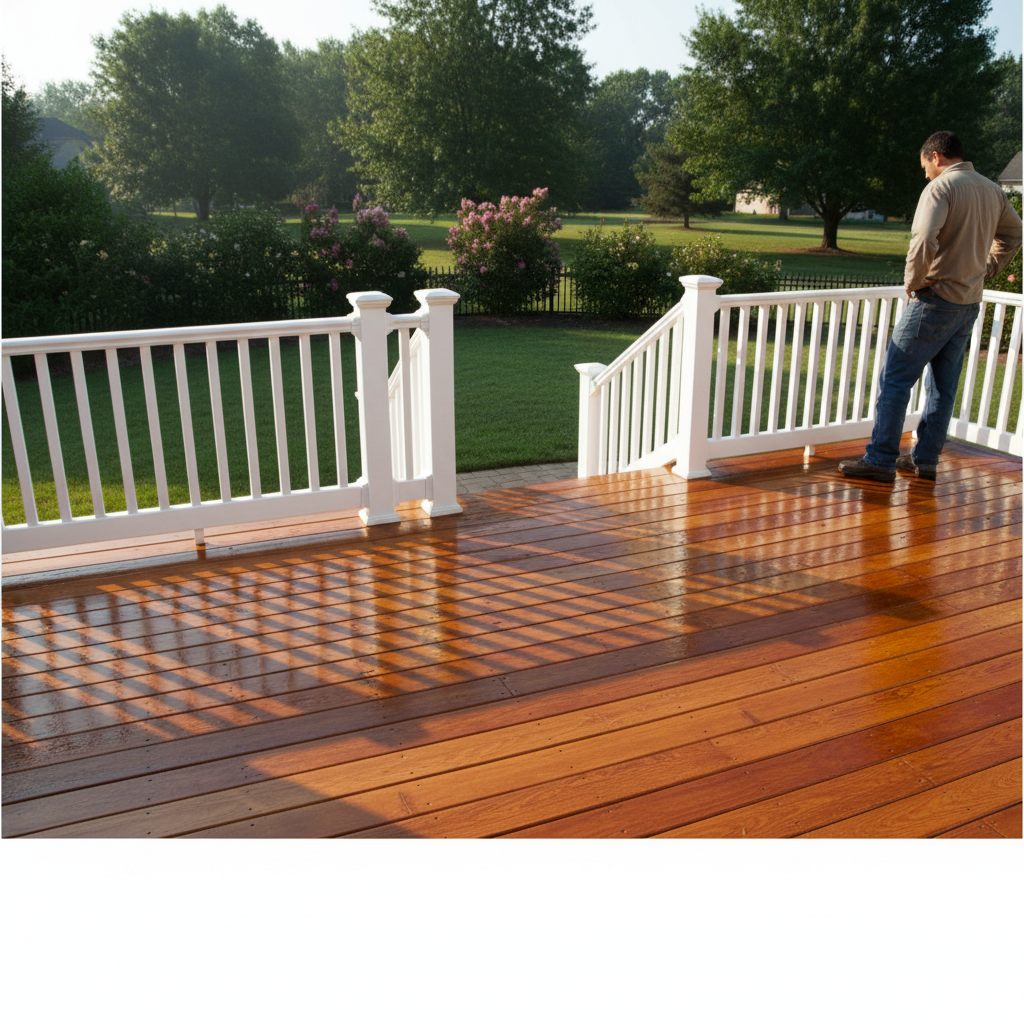
After securing your plumbing, shift your focus to the wooden structures that define your outdoor living space. Wood is inherently porous, which means it will soak up melting snow like a sponge. In our high desert climate, this absorbed moisture undergoes multiple freeze-thaw cycles, leading to deep splintering and structural rot.
To determine if your wood is still protected, perform a simple water bead test. Pour a small amount of water onto the surface of your deck or fence; if it pools into distinct beads, the sealant is still active. If the water darkens the wood and soaks in, the surface is vulnerable and needs a fresh coat of protectant. Additionally, clear all organic debris, such as pine needles and fallen leaves, from the gaps between your deck boards. These blockages trap dampness against the wood and prevent proper drainage during the winter thaw. Properly managing these details is a vital way to winterize home exterior components and avoid long term damage. If your deck shows signs of structural instability or widespread rot, you should request a weatherproofing consultation to evaluate its safety before the first heavy snow load.
7. The Professional Check: When to Call Keith Exteriors
Many Carbon County homeowners ask if they can winterize their own home. The answer depends on the scope of the work. Basic tasks, such as disconnecting garden hoses, testing deck sealant, or applying interior weatherstripping, are well within the capabilities of a proactive property owner. These small actions provide immediate protection against the first frost and are excellent starting points for seasonal maintenance.
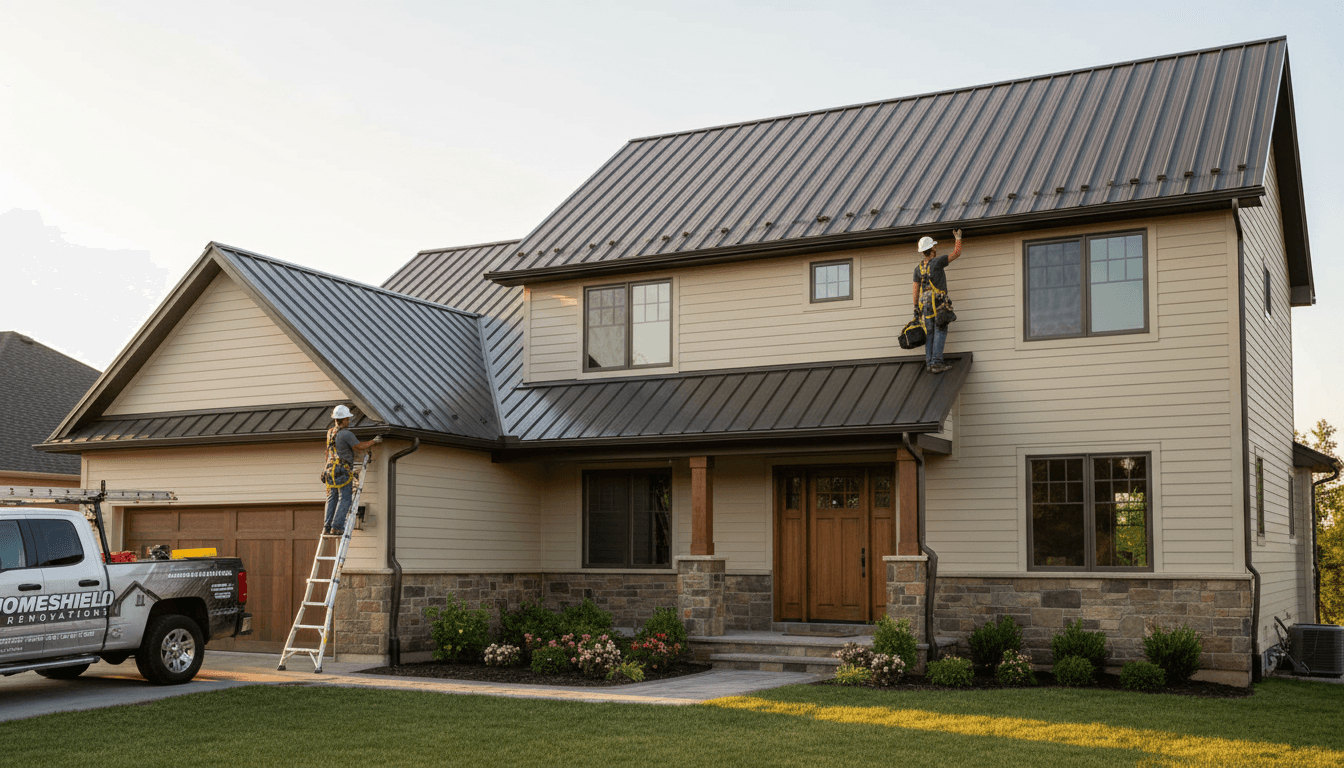
However, high-stakes tasks require professional expertise to ensure long term durability. Replacing damaged siding panels, performing steep-slope roof repairs, or installing new gutter systems involves specialized tools and safety equipment. When you request a weatherproofing consultation, our team identifies hidden vulnerabilities that are easy to miss. We frequently find failing fascia boards obscured by debris or clogged soffit vents that compromise attic ventilation; both issues contribute significantly to ice damming if left unaddressed.
At about Keith Exteriors, we prioritize clear communication and reliable installation methods tailored to our high desert climate. While DIY efforts cover the basics, a comprehensive plan to winterize home exterior surfaces often requires the technical precision of our reliable exterior improvement services. Relying on professional expertise ensures that small issues are resolved before they turn into costly structural repairs, keeping your home or business secure throughout the harshest Utah winters.
Preparing your home for a Carbon County winter is all about proactive care, from sealing gaps to clearing gutters. These steps ensure your exterior remains resilient against freezing temperatures and heavy snow. While many homeowners handle basic maintenance, some tasks require specialized tools and safety gear. If you want expert help securing your property this season, we invite you to learn more About our team and our commitment to quality. Our goal is to ensure your home stays protected while you stay warm.