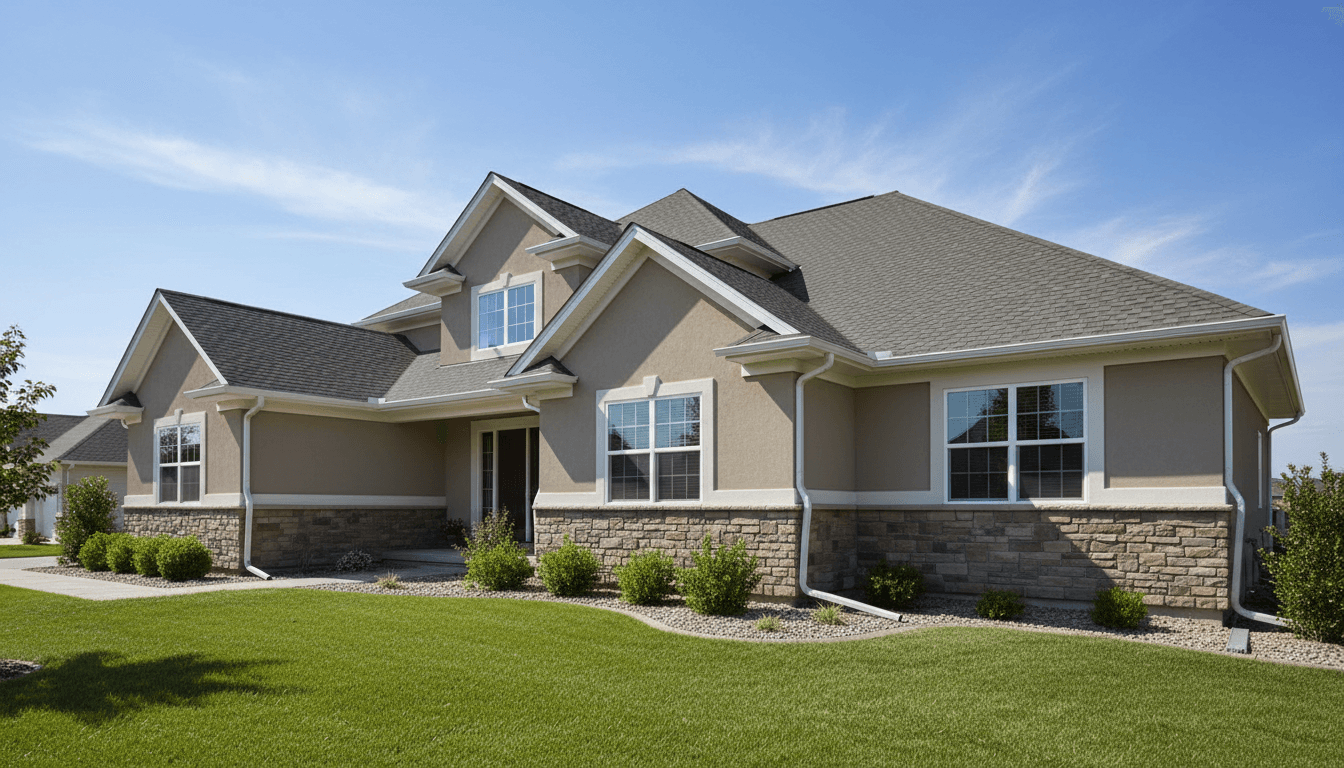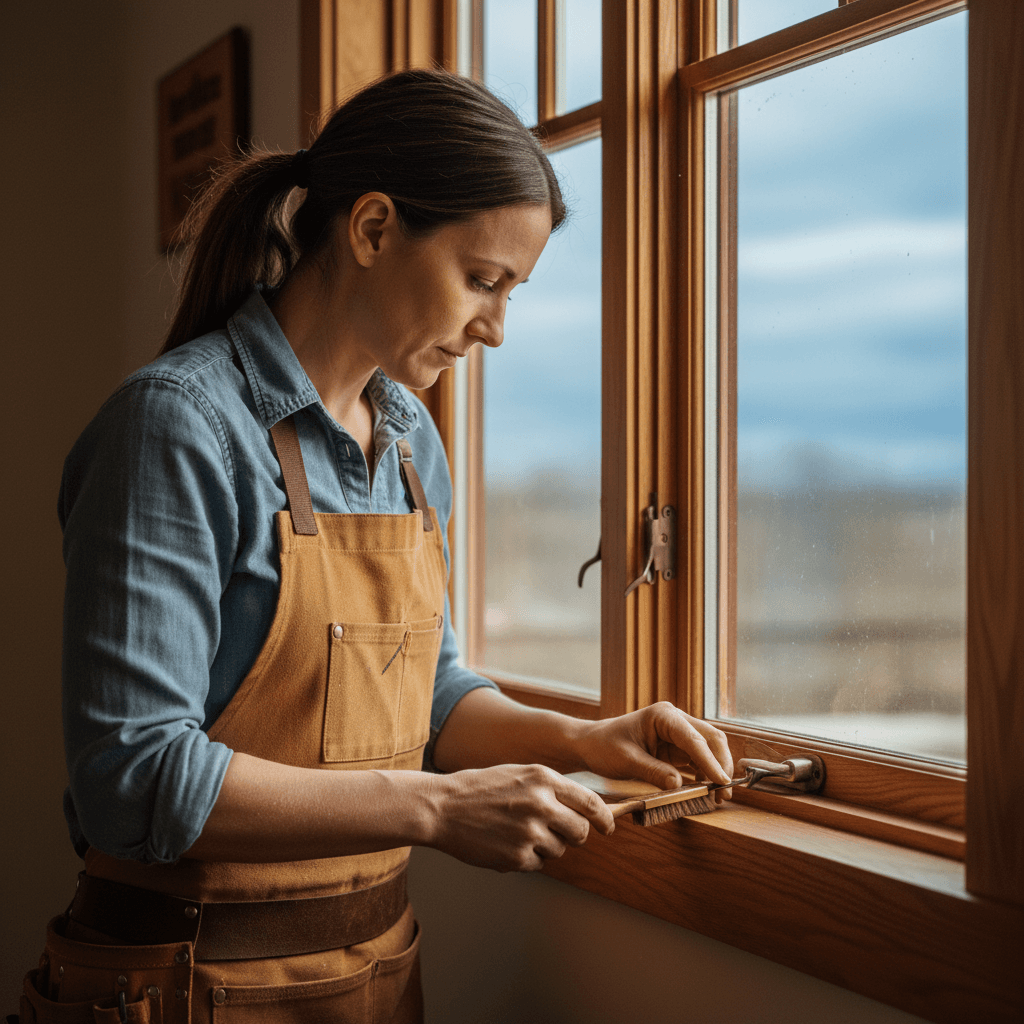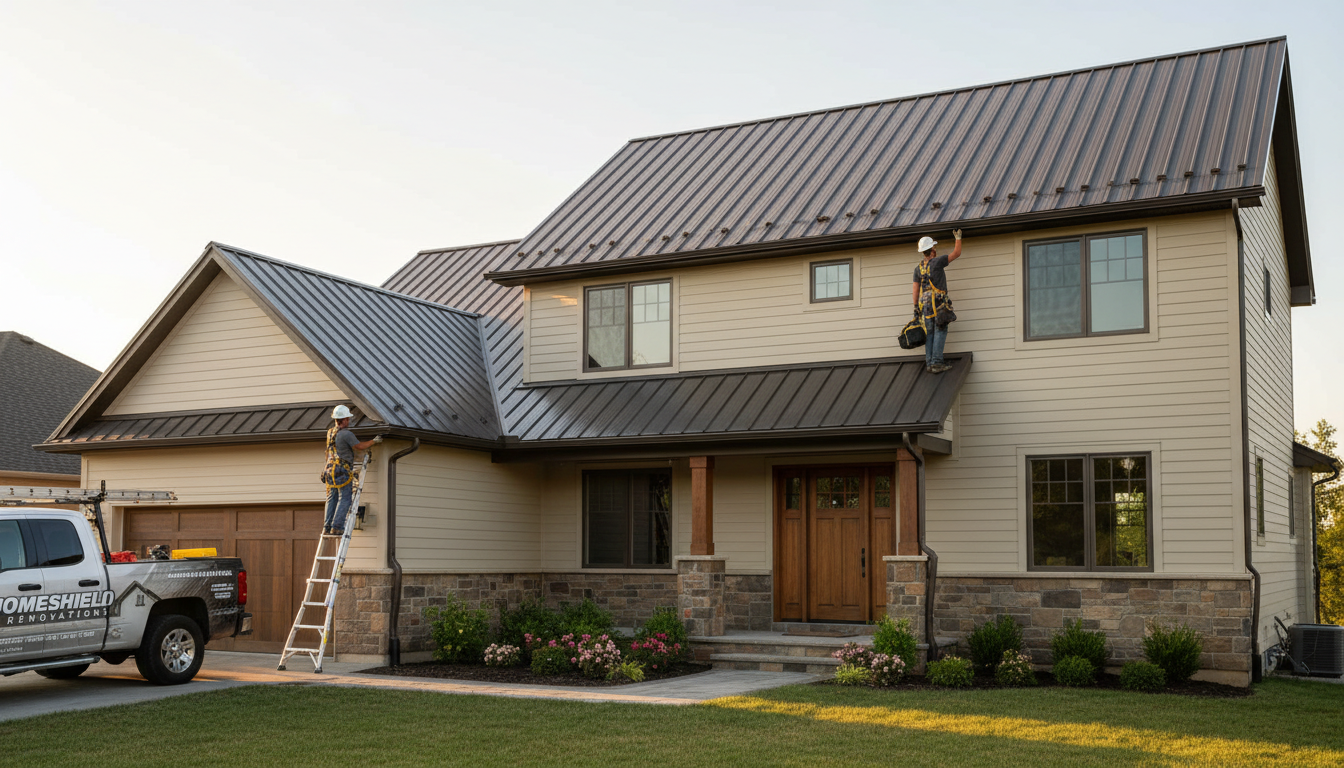
Homeowners can significantly lower winter heating bills by investing in home air sealing to eliminate drafts around windows, doors, and attics. Closing these gaps prevents warm air from escaping and reduces the workload on heating systems, resulting in improved energy efficiency and consistent indoor comfort.
For Carbon County homeowners, the arrival of winter often brings a predictable rise in heating costs and persistent drafts that no furnace can seem to conquer. Even the most efficient heating systems struggle when the home envelope is compromised by hidden gaps; these small leaks allow conditioned air to escape into the high desert chill while driving up your monthly utility bills. At Keith Exteriors, we view air sealing as the foundation of energy efficiency and structural longevity. This guide explores the specific areas where Utah homes lose the most heat, provides a comprehensive checklist for exterior weatherization, and helps you decide between professional sealing and DIY methods. By understanding the link between moisture protection and thermal performance, you can secure a warmer, more cost effective home for the seasons ahead.
Understanding the Importance of Home Air Sealing in Utah High Desert
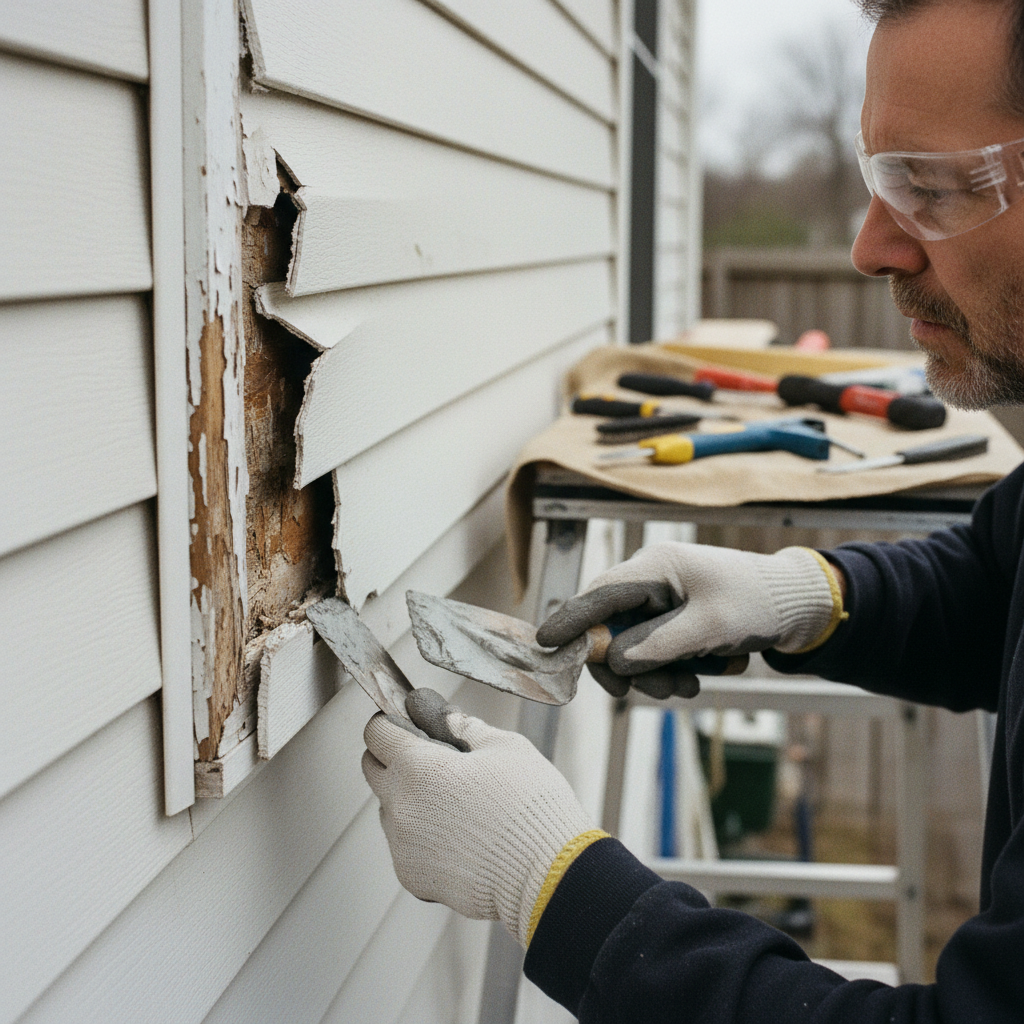
Living in Carbon County means dealing with a high-desert environment that tests building materials daily. At our elevation, intense UV radiation degrades sealants faster than in lower regions, while extreme temperature swings between midday sun and freezing nights cause constant expansion and contraction in siding and trim. This movement often creates small openings that compromise your home's thermal performance.
Home air sealing is the targeted process of identifying and closing the gaps, cracks, and penetrations in a building's exterior envelope. For properties in Price and Helper, this is a critical layer of defense against local wind patterns that can force frigid air through even microscopic openings. It is helpful to think of the relationship between sealing and insulation using a simple analogy: if insulation is the blanket that keeps your home warm, air sealing is the windbreaker that stops the breeze from cutting right through it. Without a proper seal, moving air carries heat away, rendering even the thickest insulation less effective.
Focusing on reliable exterior improvement and maintenance is about more than just aesthetics; it is about building a durable barrier against the elements. When cold desert winds hit your siding, any unsealed transition between materials becomes a pathway for energy loss. Addressing these vulnerabilities ensures your heating system is not working overtime to compensate for air that should have stayed outside.
Where Carbon County Homes Lose the Most Heat
To understand where most heat is lost in a typical Carbon County residence, you must look at the house as a vertical system. Most heat escapes through the attic and upper ceiling, but the process actually starts with a physical phenomenon called the Stack Effect. Because warm air is less dense than cold air, it naturally rises and creates pressure against the top of your home. As this conditioned air leaks out through the roof, it creates a vacuum effect that pulls frigid, high desert air in through the lower levels.
In our local area, we frequently see the same trouble spots during inspections. The primary culprits in the attic are bypasses like unsealed attic hatches, recessed lighting fixtures, and the gaps around plumbing stacks. Recessed can lights are particularly problematic because they often act like small chimneys, venting your expensive heated air directly into the attic space. Without proper home air sealing at these penetration points, your furnace will struggle to keep up with the constant displacement of air.
At the base of the home, the sill plate is a major source of infiltration. This is the point where the wooden house frame sits on the concrete foundation. Because concrete is rarely perfectly level, gaps form along this entire seam, allowing wind to cut directly into your crawlspace or basement. Addressing these structural gaps is a foundational part of reliable exterior improvement and maintenance. We focus on these high pressure transition points where the building envelope is most likely to fail. Identifying these specific leaks is the first step toward stopping the cycle of heat loss that drives up utility costs in Price and Wellington during the winter months.
How to Find and Identify Air Leaks at Home
Identifying exactly where your home is bleeding air requires a systematic approach. On a cold, windy day, you can conduct a simple draft test using a lit incense stick or a thin piece of tissue. Move the smoke source slowly around window casings, baseboards, and electrical outlets on exterior walls. If the smoke wavers or pulls sharply in one direction, it indicates an active air leak. For exterior doors, wait for a sunny afternoon and look for slivers of daylight around the frame. In our region, even a gap as thin as a credit card can lead to substantial heat loss during a winter storm.
To identify more elusive leaks, a professional home energy audit is the most reliable path for comprehensive home air sealing. This process typically involves a blower door test, where a specialized fan depressurizes the building. By lowering the internal pressure, the fan forces air through every hidden crack in the structure, making them easy to detect with infrared cameras or smoke pens. This method uncovers structural leaks in the building envelope that visual checks cannot find. If you suspect your home is underperforming, contact our team to evaluate how these vulnerabilities are affecting your property’s longevity and energy efficiency.
A Comprehensive Checklist for Exterior Air Sealing and Weatherization
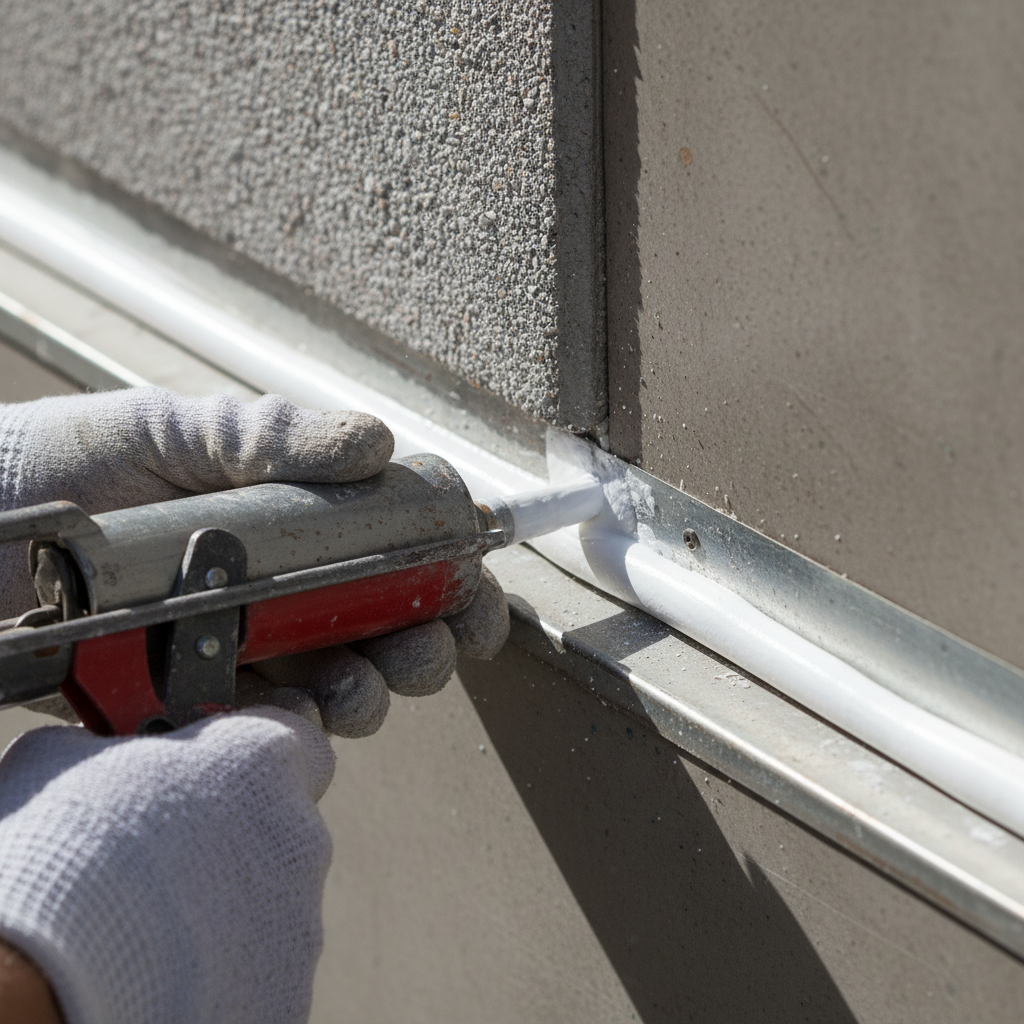
Once you have identified potential draft sources, the focus shifts to the exterior envelope, the primary shield against Utah’s volatile weather. At Keith Exteriors, we view reliable exterior improvement and maintenance as a structural necessity rather than just a cosmetic upgrade. In Carbon County, the constant fluctuation between sub-zero nights and intense high-altitude sunlight means your home’s outer layer is under heavy stress, making a systematic approach to weatherization essential.
Use this checklist to audit your property’s exterior defenses:
Inspect Siding Joints and Corners: Look for gaps where siding panels meet or where trim covers the corners. High winds in the Price area can push moisture and air into these voids if the original sealant has failed.
Check Material Transitions: Examine areas where different surfaces meet, such as brick chimneys against wood siding or the junction between your siding and the concrete foundation. These dissimilar materials expand at different rates, often creating hidden air channels.
Seal Penetrations: Audit every point where a pipe or vent exits the building. This includes outdoor faucets (hose bibs), dryer vents, and electrical conduits.
Evaluate Door Weatherstripping: Look for flattened, cracked, or missing seals around all entry doors. If you can see light from the outside, the seal is no longer effective.
When performing these inspections, a good rule of thumb is to measure the gap width. If you find gaps wider than a nickel, standard household sealants often fail during the first freeze-thaw cycle. These areas require professional-grade exterior silicone caulk or low-expansion foam designed for building envelopes to maintain a lasting seal. For more complex exterior sealing needs, contact our team to ensure the materials used can withstand the local climate. These high-performance products maintain flexibility in the cold, preventing the seal from snapping when materials contract during the harsh winter months.
Professional Home Air Sealing vs DIY Methods
Deciding between a self-guided approach and hiring experts often comes down to the location and size of the air leaks. DIY home air sealing is highly effective for accessible, visible gaps. Homeowners in Carbon County can easily handle installing new weatherstripping on entry doors, applying beads of silicone caulk around window trim, or adding foam gaskets behind electrical outlet covers. These small tasks are excellent for immediate comfort but often only scratch the surface of a building's thermal vulnerabilities.
Professional sealing becomes necessary when the problem lies within the building’s infrastructure. For instance, addressing large air bypasses around chimney flues, furnace vents, or dropped soffits in the attic requires specialized materials and fire-rated sealants. Furthermore, if air is infiltrating through structural gaps behind the siding, professional reliable exterior improvement and maintenance is required to safely remove and reinstall exterior panels while applying high-grade membranes or flashings.
Feature | DIY Approach | Professional Sealing |
|---|---|---|
Primary Focus | Visible interior drafts | Hidden structural bypasses |
Typical Tools | Caulk gun, weatherstrip tape | Blower doors, thermal imaging, spray foam |
Access Level | Window and door perimeters | Attics, crawlspaces, behind siding |
Payback Period | Immediate comfort | 1 to 3 years via utility savings |
Investing in professional services typically yields a full return on investment within one to three years. As utility rates in Utah continue to rise, the long term savings on heating and cooling often outweigh the initial cost. If you are unsure which level of service your property needs, contact our team for a detailed assessment of your home's exterior envelope.
The Link Between Air Sealing and Moisture Protection
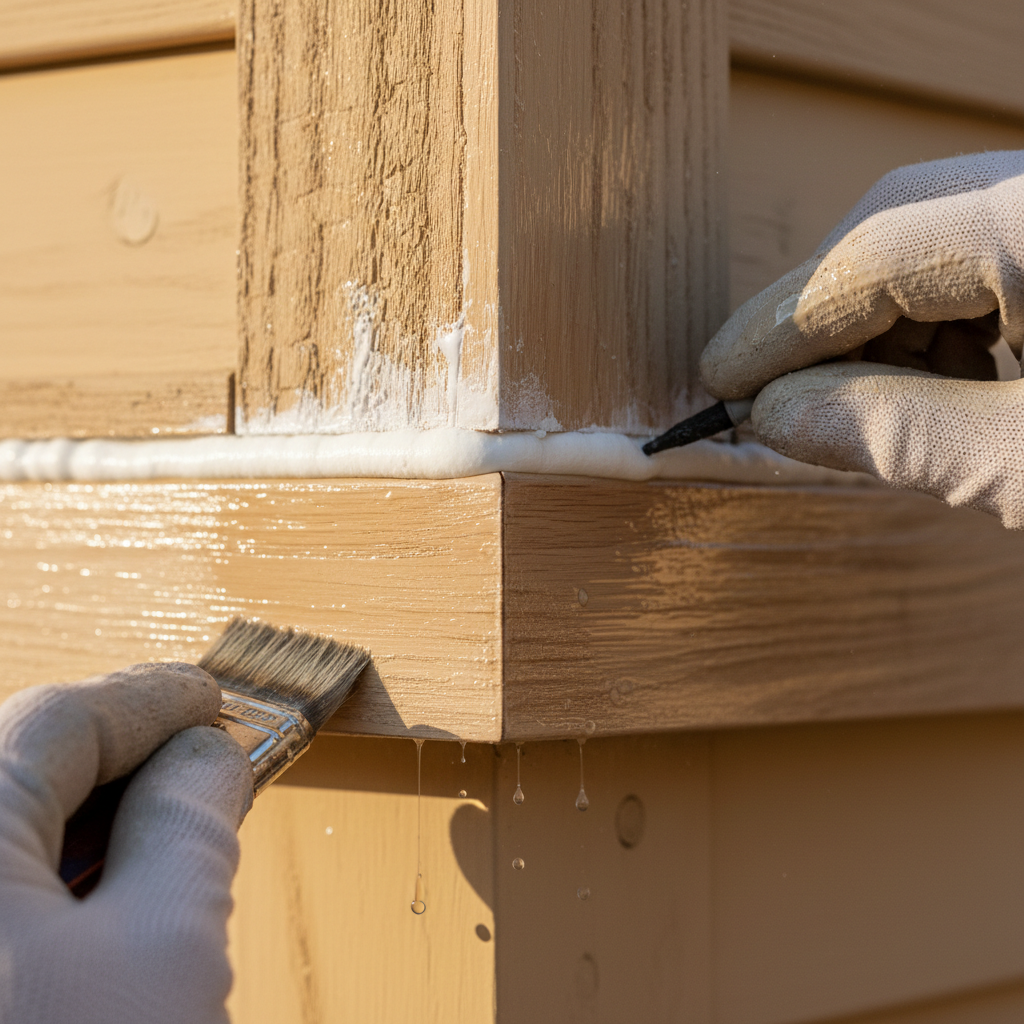
Building on the distinction between basic DIY fixes and professional upgrades, the most critical reason for comprehensive sealing is often hidden from view. Air leaks do more than just transport heat; they act as primary conduits for moisture. In the Carbon County winter, the air inside your home is significantly warmer and more humid than the frigid desert air outside. When this warm air escapes through gaps in the building envelope and hits cold exterior surfaces like the back of your siding or the wooden wall sheathing, it condenses into liquid water.
This hidden condensation is a leading cause of wood rot and mold growth within wall cavities. Because these issues occur behind your home’s exterior finishes, they often go unnoticed until structural damage occurs. Effective home air sealing creates a tight envelope that prevents this moisture migration, ensuring that damp air stays where it can be managed by your ventilation system. By prioritizing reliable exterior improvement and maintenance, you are safeguarding the structural integrity of your property. If you suspect moisture is reaching your framing through failed seals, contact our team to evaluate your home’s weatherization before small leaks become expensive structural repairs.
Commercial Air Sealing for Carbon County Businesses
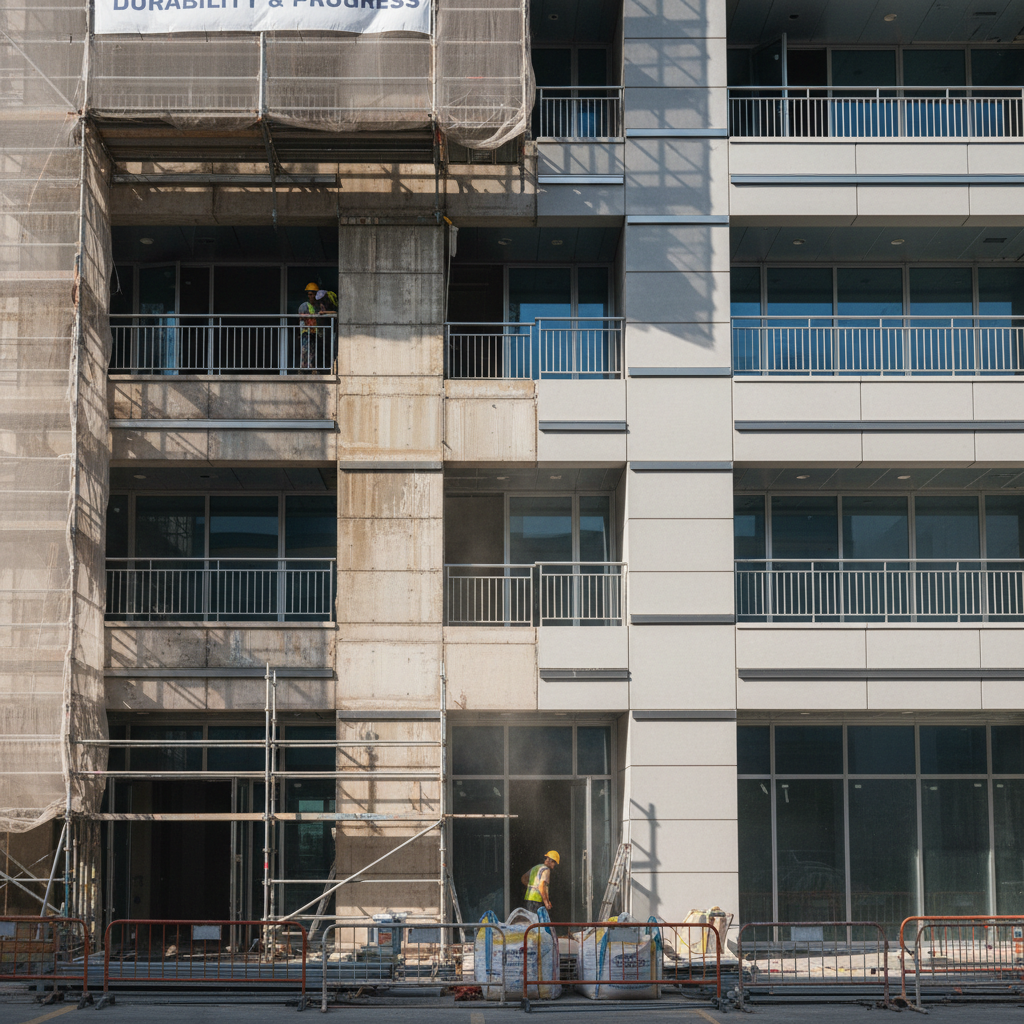
Commercial properties in Carbon County face unique challenges due to their scale and specific usage patterns. In Price and Wellington, large retail and office buildings often struggle with massive heat loss that residential structures do not experience. Loading docks are a primary culprit; the large doors and high-traffic seals frequently fail, allowing huge volumes of cold air to enter warehouses or backrooms. Roof vents and HVAC penetrations on commercial flat roofs are also common points of failure where heat escapes directly into the sky.
For storefronts, large glass panes and aluminum frames often lack the thermal breaks necessary for our high-desert winters. Professional exterior upgrades focus on these high-loss areas to significantly lower monthly overhead costs. By implementing comprehensive home air sealing techniques adapted for commercial scales, business owners can stabilize indoor temperatures and reduce the strain on expensive rooftop units. If your utility bills are spiking, contact our team to discuss reliable exterior improvement and maintenance tailored to commercial envelopes. Investing in these durable solutions ensures your business remains comfortable for customers while protecting your bottom line from rising energy rates.
Preparing for Your Home Energy Audit: A Step by Step Guide
To maximize the value of a professional evaluation, begin by gathering twelve months of utility data. This history helps an auditor identify seasonal spikes in energy use that correlate with temperature swings. Next, ensure clear access to attic hatches, crawl spaces, and the furnace area. These high pressure zones are where most home air sealing vulnerabilities occur; the auditor must reach them to use thermal imaging effectively.
Create a list of specific drafty spots or rooms that struggle to stay warm. During the inspection, the technician will likely perform a blower door test; you should close all windows but keep interior doors open to facilitate building wide air flow. Remember that many Utah utility providers offer rebates for reliable exterior improvement and maintenance following a certified audit. If your results indicate structural leaks, contact our team to discuss durable weatherization solutions for the upcoming winter.
Taking control of your home's energy efficiency starts with identifying those small gaps where heat escapes. By sealing air leaks, you can significantly lower your Carbon County utility bills while staying warm all winter long. If you want expert help to ensure your property is fully protected from the elements, we are here to support your goals. You can learn more about Keith Exteriors to see how we help local homeowners achieve lasting comfort through professional care and high-quality exterior solutions.